
















Indonesia’s Marine Biodiversity and Conservation Efforts in Labuan Bajo
Indonesia’s Marine Biodiversity: A Global Treasure
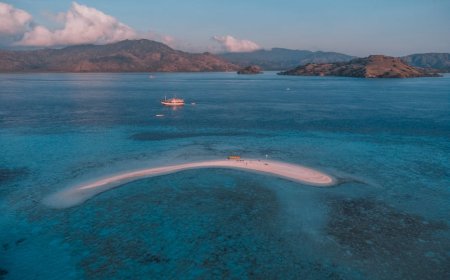
VOXBLICK.COM - Indonesia, the world’s largest archipelago, stretches across the equator and is home to more marine species than anywhere else on Earth. Nestled within the Coral Trianglea region renowned among scientists as the epicenter of global marine biodiversityIndonesia’s waters host over 3,000 species of fish, 600 species of coral, and countless other marine creatures. Among its many jewels, Labuan Bajo, on the western tip of Flores Island, stands out as a gateway to the Komodo National Park and a living laboratory for marine researchers and conservationists.
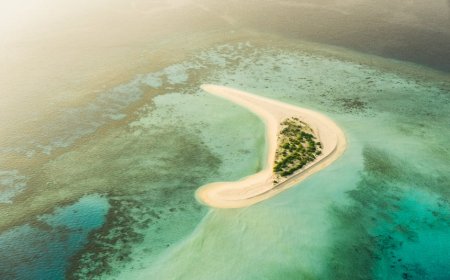
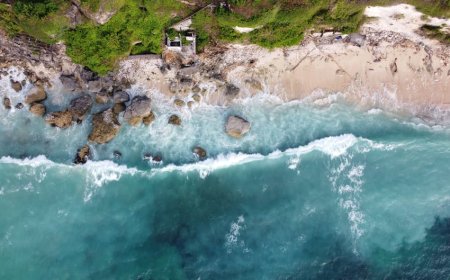
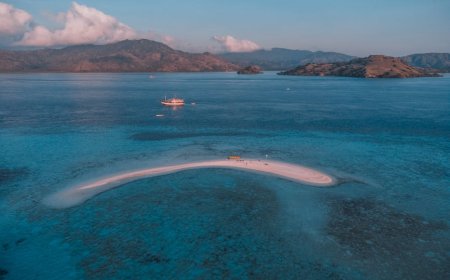
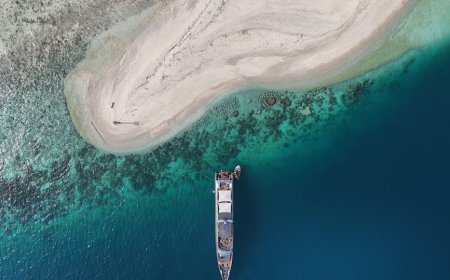
Labuan Bajo’s turquoise bays and dazzling coral reefs are not only breathtaking to behold, but they also sustain vibrant ecosystems crucial for ecological balance.
From the smallest nudibranchs to the majestic manta rays and endangered dugongs, the biodiversity here is staggering. The region’s underwater habitats support rare and endemic species, many of which are threatened by habitat loss and overexploitation elsewhere in the world.

Scientific Discoveries: A Window into the Deep
Recent scientific expeditions in Labuan Bajo and the surrounding Komodo National Park have continued to yield new species and reveal complex ecological interactions.
Marine biologists have documented unique symbiotic relationships among reef dwellers, intricate coral spawning events, and migratory patterns of pelagic giants. DNA barcoding and underwater imaging technologies are uncovering cryptic speciesorganisms that look alike but are genetically distinctshowcasing the region’s hidden diversity.
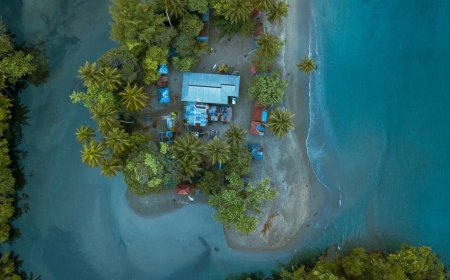
Awe-inspiring underwater landscapes, such as seagrass meadows and mangrove forests, act as nurseries for juvenile marine life and carbon sinks that help mitigate climate change.
These habitats are vital not only for biodiversity but also for the livelihoods of local communities, who depend on sustainable fisheries and eco-tourism.
Conservation Challenges and Local Solutions
Despite its natural riches, Labuan Bajo faces mounting threats from illegal fishing, plastic pollution, coral bleaching, and unsustainable tourism.
The delicate balance of these ecosystems can be disrupted by even small changes in water temperature or chemical composition, making them highly vulnerable to climate change.
However, Indonesia is at the forefront of marine conservation. The government has declared over 23 million hectares of marine protected areas, with Komodo National Park being a flagship site.
Here, rangers, scientists, and local stakeholders collaborate to enforce anti-poaching laws, restore damaged reefs, and monitor endangered species. Community-based initiatives empower local fishers to adopt sustainable practices and participate in reef restoration projects, ensuring that conservation is both effective and equitable.
Innovative Science and Eco-Tourism
Cutting-edge research in Labuan Bajo includes coral transplantation, the use of artificial reefs, and genetic studies to enhance climate resilience.
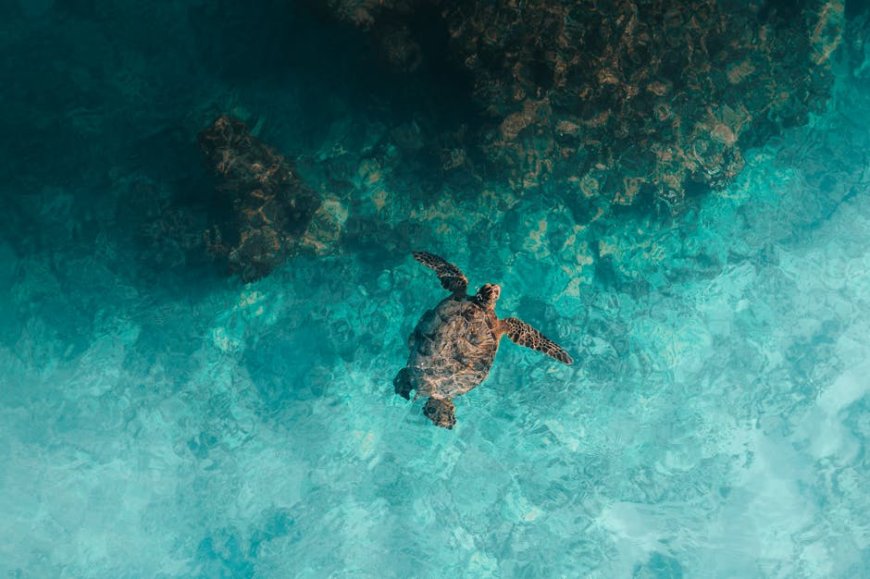
Monitoring programs involving satellite tagging of manta rays and turtles are helping scientists understand migratory corridors and identify critical habitats for protection.
Eco-tourism is another crucial pillar for conservation. Guided snorkeling and diving tours educate visitors about marine ecology, while strict regulations minimize human impact on sensitive sites.
Revenues from sustainable tourism fund conservation activities and provide alternative livelihoods for local people, reducing pressure on marine resources.
The Future of Labuan Bajo’s Marine Biodiversity
As science continues to unveil the wonders of Labuan Bajo’s underwater world, it also highlights the urgent need for global and local action.
Protecting Indonesia’s marine biodiversity is not only an ecological imperative but a shared responsibilityone that connects communities, scientists, and travelers from around the world. Through collaborative conservation efforts, innovative science, and responsible tourism, Labuan Bajo stands as a beacon of hope for the future of the planet’s oceans.

What's Your Reaction?
 Like
0
Like
0
 Dislike
0
Dislike
0
 Love
0
Love
0
 Funny
0
Funny
0
 Angry
0
Angry
0
 Sad
0
Sad
0
 Wow
0
Wow
0