

















Indonesia’s Natural Resilience: Disaster Mitigation and Biodiversity Protection

Indonesia’s Archipelago: A Crossroads of Nature and Challenge
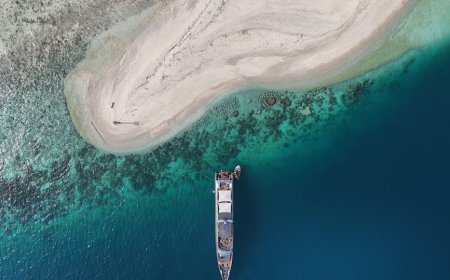
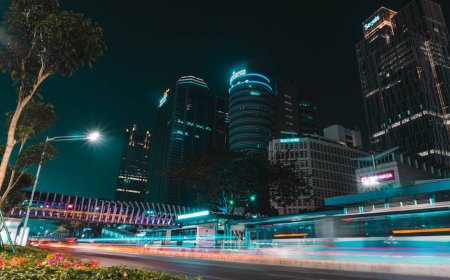
VOXBLICK.COM - Nestled between the Pacific and Indian Oceans, Indonesia is the world’s largest archipelagic nation, spanning over 17,000 islands. This unique geography has sculpted a land of extraordinary biodiversity and natural beauty, but it has also placed Indonesia at the epicenter of some of nature’s most formidable challenges. The country sits squarely on the Pacific “Ring of Fire,” making it highly susceptible to earthquakes, volcanic eruptions, and tsunamis. Yet, what sets Indonesia apart is not just its vulnerability, but its remarkable resiliencea fusion of cutting-edge disaster mitigation, pioneering conservation, and an unwavering commitment to safeguarding its ecological treasures.
With more than 1,300 ethnic groups and hundreds of languages, Indonesia’s cultural tapestry is as diverse as its ecosystems.
Rainforests teeming with rare flora and fauna, coral reefs bursting with marine life, and misty volcanic highlands together form one of the planet’s last great wilderness frontiers. However, these ecosystems are under constant threat from natural disasters and human activity. Indonesia’s responsean inspiring blend of scientific innovation and community engagementoffers a blueprint for environmental stewardship in a rapidly changing world.

Innovative Disaster Mitigation: Harnessing Science and Community
Indonesia’s frequent encounters with earthquakes, tsunamis, and volcanic eruptions have driven the nation to become a global leader in disaster risk reduction.
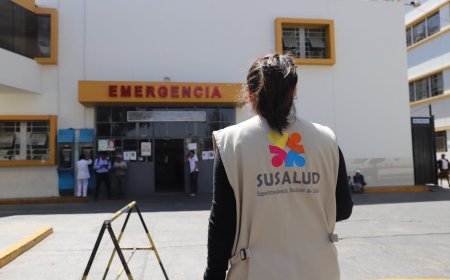
The Indonesian Agency for Meteorology, Climatology and Geophysics (BMKG) deploys an extensive network of seismic sensors, tsunami buoys, and early warning systems. These tools are complemented by traditional knowledge and grassroots preparedness programs, ensuring rapid community response when disaster strikes.
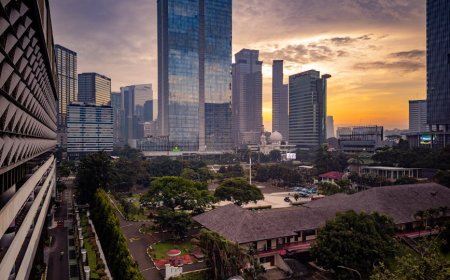
Urban planning in vulnerable regions now incorporates “green infrastructure”mangrove forests, coastal wetlands, and reforestation effortsto buffer communities against floods and storm surges.
In Aceh, for instance, post-2004 tsunami recovery saw an unprecedented scale of mangrove replanting, not only restoring coastal ecosystems but also providing a natural shield against future tidal waves. Indonesia’s disaster mitigation strategies are heralded as models for other nations facing climate-induced natural hazards.
Biodiversity Hotspot: Conservation in Action
Indonesia is a megadiverse country, home to roughly 17% of the world’s wildlife species. Its rainforests shelter iconic animals such as the Sumatran tiger, orangutan, and Javan rhinoceros, many of which are critically endangered.
Coral Triangle marine reserves protect over 500 species of reef-building corals, supporting some of the richest marine biodiversity on Earth.
- Sumatran Rainforest Conservation: National parks like Gunung Leuser and Bukit Barisan Selatan are bastions for rare mammals, thanks to anti-poaching patrols and habitat restoration.
- Community-Driven Marine Protection: Local fishers in Raja Ampat collaborate with conservationists to monitor reefs and enforce sustainable fishing zones, preserving vital spawning grounds.
- Eco-Tourism and Reforestation: Initiatives such as “One Million Trees” encourage local participation in reforestation, while eco-tourism generates income and raises awareness about the value of intact ecosystems.
Despite daunting pressures from deforestation and illegal wildlife trade, Indonesia’s blend of law enforcement, indigenous stewardship, and international collaboration is turning the tide for many threatened species.
Renewable Energy: Powering Sustainable Futures
Indonesia’s quest for resilience extends to its energy landscape. With abundant geothermal potentialranking second only to the United StatesIndonesia is investing heavily in clean, renewable power.
Geothermal plants tap volcanic heat for electricity, reducing reliance on fossil fuels and mitigating greenhouse gas emissions. Solar and micro-hydro projects are also electrifying remote villages, enhancing both environmental sustainability and community resilience.
The government’s ambitious targets include sourcing 23% of its energy from renewables by 2025. This shift not only supports climate action but also reduces the environmental footprint of infrastructure in disaster-prone areas.
Inspiring Global Environmental Action
Indonesia’s journey is a testament to the power of adaptation and innovation in the face of adversity.
By harmonizing disaster mitigation, biodiversity conservation, and renewable energy, the archipelago is protecting its irreplaceable natural heritage while inspiring global environmental action. As the world confronts the twin crises of climate change and ecological loss, Indonesia stands as a beacon of hope and a living laboratory for resilience.

What's Your Reaction?
 Like
0
Like
0
 Dislike
0
Dislike
0
 Love
0
Love
0
 Funny
0
Funny
0
 Angry
0
Angry
0
 Sad
0
Sad
0
 Wow
0
Wow
0