













Indonesia’s Natural Wonders: Earthquakes, Volcanoes, and Rich Biodiversity
Indonesia’s Dynamic Geology: Where Earthquakes and Volcanoes Shape the Land
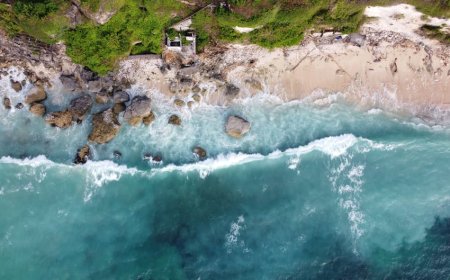
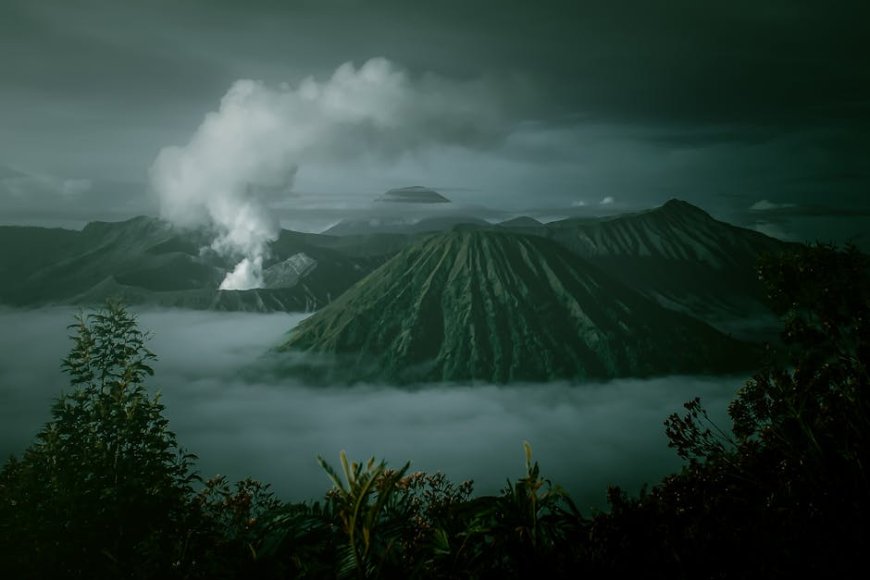
VOXBLICK.COM - Indonesia, the world’s largest archipelago, is a land born of fire and water. With over 17,000 islands straddling the equator, its geography is defined by dramatic tectonic activity. The nation sits atop the Pacific “Ring of Fire,” a volatile zone encircling the Pacific Ocean where several tectonic plates meet. This unique position makes Indonesia one of the most earthquake-prone and volcanically active regions on Earth.
Every year, Indonesia experiences thousands of earthquakesranging from gentle tremors to significant seismic events.
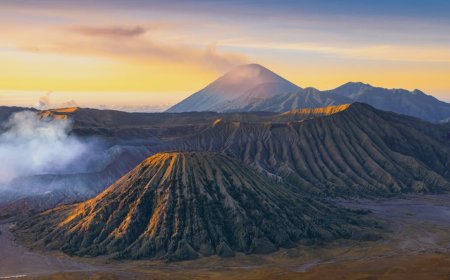
Notably, the 2004 Indian Ocean earthquake and tsunami demonstrated both the destructive power and the geological complexity of this region. The country is also home to more than 130 active volcanoes, including iconic peaks like Mount Merapi, Mount Bromo, and Mount Tambora. These volcanoes are not only natural hazards but also vital to the formation of Indonesia’s lush landscapes, enriching the soil and fostering rich ecosystems.

Biodiversity Hotspot: Rainforests, Coral Reefs, and Endemic Species
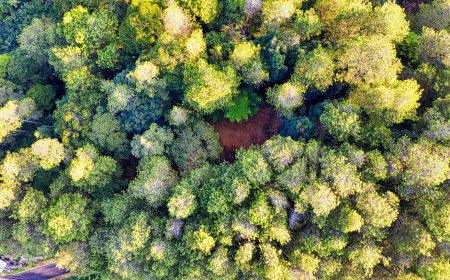
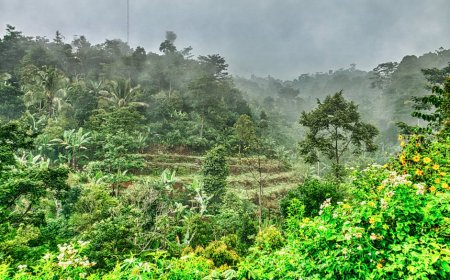
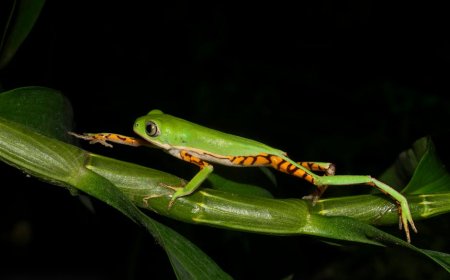
Indonesia’s geological dynamism has nurtured some of the world’s richest biodiversity. Its tropical rainforests are among the oldest and most diverse on the planethome to an estimated 17% of the world’s wildlife species.
The islands of Sumatra, Borneo (Kalimantan), Papua, and Sulawesi are renowned for their staggering variety of flora and fauna, many of which are found nowhere else.
Indonesia’s rainforests shelter endangered species such as the Sumatran tiger, orangutan, Javan rhinoceros, and the Komodo dragon. Equally awe-inspiring are its coral reefs.
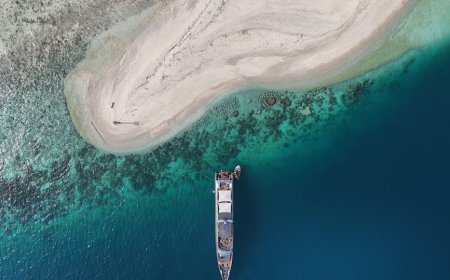
The Coral Triangle, stretching from eastern Indonesia to the Philippines and Papua New Guinea, is the global epicenter of marine biodiversity, harboring over 600 species of coral and 2,000 species of reef fish.
- Sumatran Orangutan: Critically endangered, these great apes are icons of Indonesia’s conservation challenge.
- Rafflesia Arnoldii: The world’s largest flower, native to Sumatra’s forests.
- Wallacea Region: A transitional zone with unique mammals and birds, including the maleo bird and anoa.
- Komodo National Park: A UNESCO World Heritage site, protecting the famous Komodo dragon and marine life.
Conservation and Monitoring: Protecting a Fragile Paradise
Despite its natural wealth, Indonesia faces significant environmental challenges. Deforestation, often linked to logging and agricultural expansion, threatens habitats and biodiversity.
However, a new era of conservation is taking root, fueled by government initiatives, international partnerships, and grassroots activism.
Indonesia has established dozens of national parks and protected areas, covering millions of hectares of rainforest and coral reef.
Organizations like the World Wildlife Fund (WWF) and local NGOs collaborate on reforestation, anti-poaching efforts, and sustainable community development. Pioneering projects embrace renewable energysuch as geothermal power harnessed from the archipelago’s volcanic heatfurther reducing pressure on forests and fossil fuels.
Equally impressive are Indonesia’s advances in disaster monitoring. The Indonesian Agency for Meteorology, Climatology, and Geophysics (BMKG) deploys seismic sensors and early warning systems to minimize the impacts of earthquakes and tsunamis.
These efforts save lives and foster resilience among communities living in the shadow of volcanoes and along tectonic fault lines.
Inspiring Awe: The Future of Indonesia’s Natural Wonders
Indonesia’s natural wonders, from its fiery volcanoes to its emerald rainforests and vibrant coral reefs, inspire awe and stewardship.
While challenges remain, ongoing conservation and scientific monitoring offer hope for the preservation of these irreplaceable treasures. For scientists, nature lovers, and adventurers alike, Indonesia is a living laboratoryan ever-changing landscape where the forces of nature and human ingenuity converge to protect the planet’s richest biodiversity.

What's Your Reaction?
 Like
0
Like
0
 Dislike
0
Dislike
0
 Love
0
Love
0
 Funny
0
Funny
0
 Angry
0
Angry
0
 Sad
0
Sad
0
 Wow
0
Wow
0