


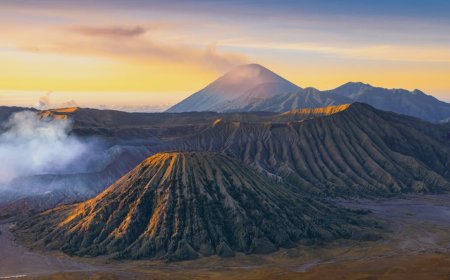
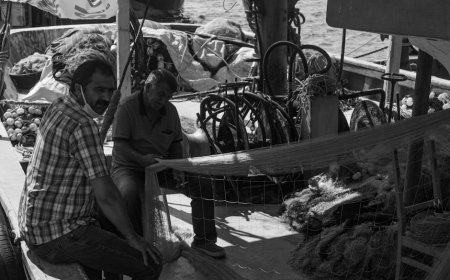

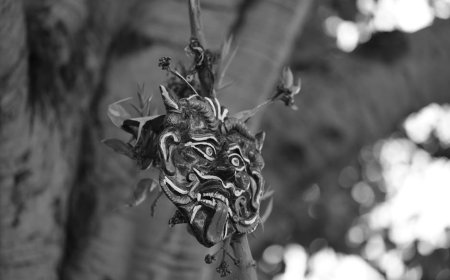









Indonesia’s Natural Wonders and the Science of Conservation
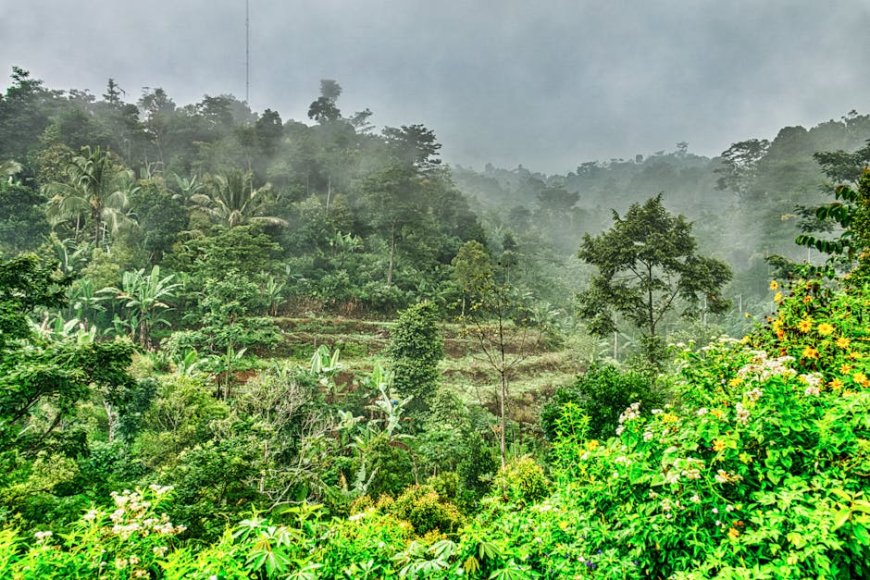
Indonesia’s Living Laboratory: Unraveling Biodiversity
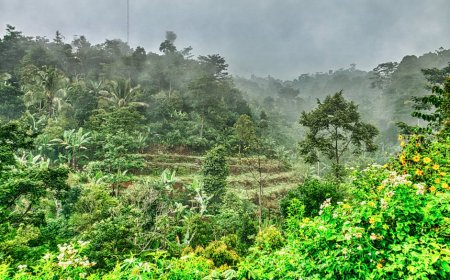
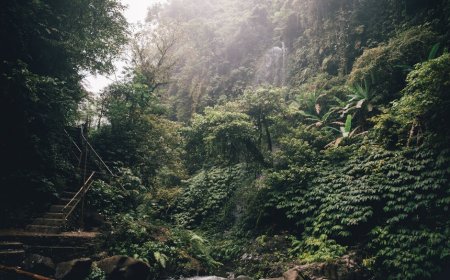
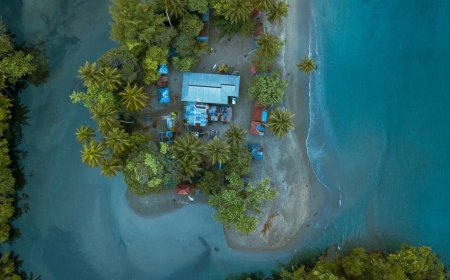
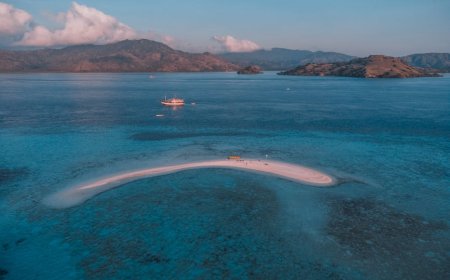
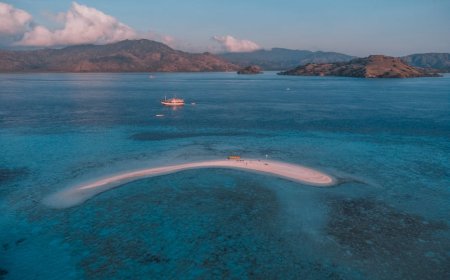
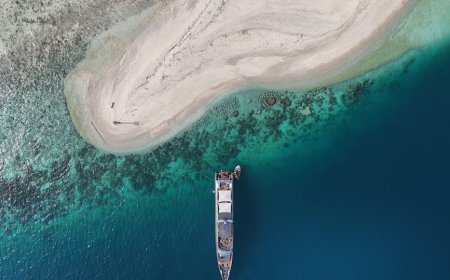
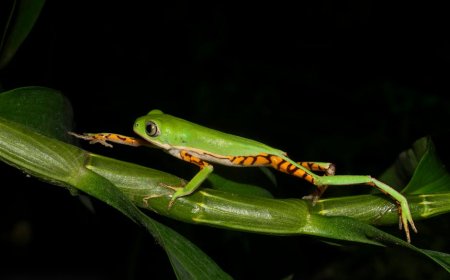
VOXBLICK.COM - Indonesia, sprawled across more than 17,000 islands between the Indian and Pacific Oceans, is a wonderland of biological diversity. Its equatorial rainforests, coral reefs, mangroves, and volcanic landscapes are home to an estimated 17% of the world’s wildlife species. Indonesia boasts over 700 mammal speciesmore than any other countryand a dazzling array of birds, amphibians, and reptiles. Its flora is equally astounding: the archipelago houses 10% of the world’s flowering plants, including the legendary Rafflesia arnoldii, the world’s largest flower.
At the heart of this abundance lies the secret of Indonesia’s unique geology and climate. The country sits on the Ring of Fire, fostering fertile volcanic soil and frequent tectonic activity.
This dynamic environment has shaped a mosaic of habitats, from the lush jungles of Sumatra and Borneo to the savannas of Wallaceaa biogeographical realm where Asian and Australian species intermingle. The famed Komodo dragon, the world’s largest lizard, is a living relic of these evolutionary crossroads.

Conservation Frontlines: Protecting Endangered Species
Yet Indonesia’s natural splendor faces severe challenges. Rampant deforestation, illegal wildlife trade, and habitat fragmentation threaten iconic species like the Sumatran orangutan, Javan rhinoceros, and Bali starling.
The science of conservation in Indonesia is a race against time, blending community involvement, cutting-edge technology, and indigenous wisdom.
Numerous national parkssuch as Gunung Leuser, Ujung Kulon, and Komodoform the backbone of Indonesias conservation strategy. These protected areas are not only wildlife sanctuaries but also hubs for scientific research and eco-tourism.
Conservationists employ drone mapping, camera traps, and DNA barcoding to monitor elusive species and track genetic diversity. Local communities are vital partners in these efforts, participating in habitat restoration and sustainable agriculture initiatives that reduce pressure on forests.
- Rewilding Projects: Programs reintroduce captive-bred animals like the Javan hawk-eagle into native habitats.
- Coral Reef Rehabilitation: Scientists and fishers collaborate to restore damaged reefs with artificial structures and coral gardening.
- Wildlife Corridors: Eco-engineering projects connect fragmented forests, enabling genetic exchange between isolated populations.
Renewable Energy: Harnessing Nature for a Sustainable Future
Indonesia’s energy landscape is undergoing a green revolution. With abundant geothermal, solar, and hydropower resources, the country is investing in renewable energy to reduce dependence on fossil fuels and safeguard its ecosystems.
Indonesia is the world’s second-largest geothermal producer, with the volcanic backbone of Sumatra and Java providing a sustainable source of clean energy.
Innovative micro-hydro projects in rural areas deliver electricity while preserving riverine habitats. Solar-powered grids are lighting up remote islands, reducing reliance on diesel generators.
These renewable energy initiatives showcase the synergy between technological advancement and conservation, ensuring that Indonesia’s environmental legacy endures for future generations.
Archaeological Marvels: Windows into Ancient Biodiversity
Beyond its living wonders, Indonesia is a treasure trove of archaeological and paleontological discoveries.
The island of Flores yielded the enigmatic Homo floresiensisthe “hobbit,” a diminutive hominin species that lived over 50,000 years ago. Ancient cave art in Sulawesi, depicting wild pigs and hand stencils, is among the oldest figurative art in the world and testifies to a deep human connection with Indonesia’s fauna.
These archaeological sites illuminate the evolutionary pathways of both humans and wildlife, offering clues to how ancient peoples adapted toand shapedthe archipelago’s diverse environments.
Ongoing excavations continue to unveil new species and cultural practices, reinforcing Indonesia’s status as a global center for scientific discovery.
A Living Legacy: Awe and Responsibility
Indonesia’s natural wonders inspire both awe and responsibility. As the world’s biodiversity hotspot, it stands at the crossroads of conservation science and sustainable development.
International collaborations, indigenous stewardship, and cutting-edge research are forging new paths for protecting this irreplaceable heritage. From the depths of its coral reefs to the heights of its rainforest canopies, Indonesia offers a living testament to nature’s resilienceand to the enduring power of scientific discovery.

What's Your Reaction?
 Like
0
Like
0
 Dislike
0
Dislike
0
 Love
0
Love
0
 Funny
0
Funny
0
 Angry
0
Angry
0
 Sad
0
Sad
0
 Wow
0
Wow
0