















Indonesia’s Scientific Innovations Boost Biodiversity and Sustainable Energy
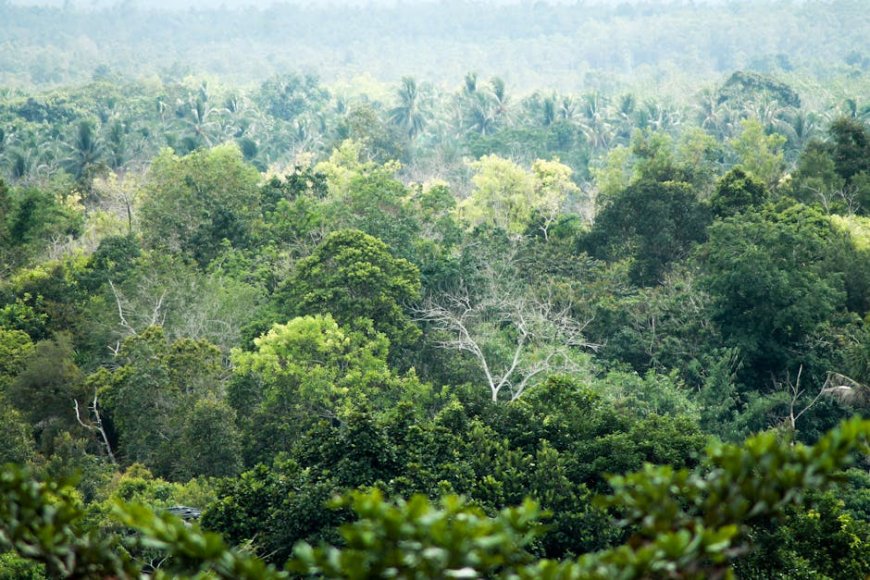
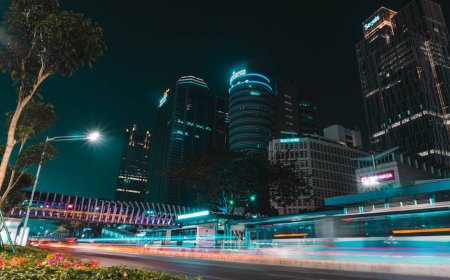
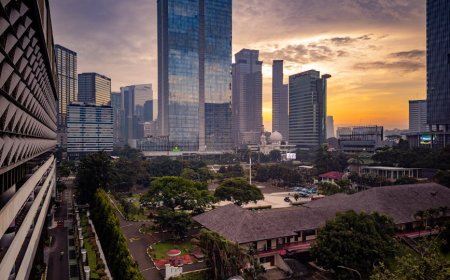
VOXBLICK.COM - Indonesia, the world’s largest archipelago, is more than a geographical marvel of over 17,000 islands. Renowned for its rich tapestry of rainforests, coral reefs, and volcanic landscapes, Indonesia stands at the forefront of scientific innovation, harnessing both ancient wisdom and cutting-edge research to protect biodiversity and advance sustainable energy. As global environmental challenges intensify, Indonesia’s collaborative efforts with international partners are paving the way for a greener, more resilient future.
Biodiversity Hotspot: From Rainforests to Coral Kingdoms
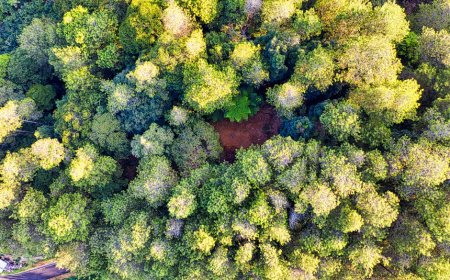
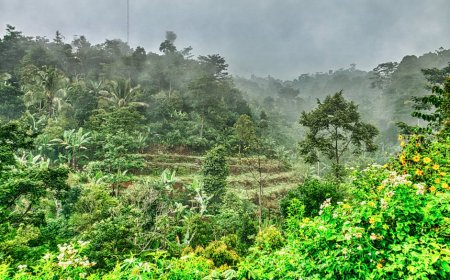
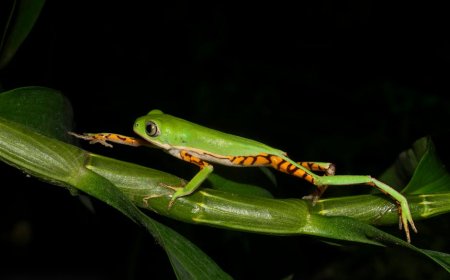
The Indonesian archipelago is lauded as a “megadiversity” nationhome to 17% of the world’s wildlife species.
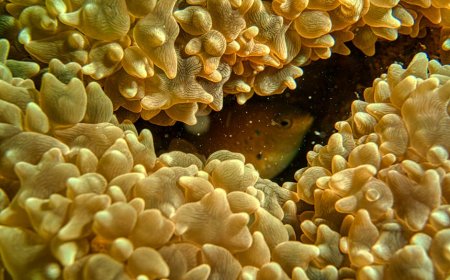
Its rainforests shelter the majestic Sumatran tiger, Bornean orangutan, and Javan rhinoceros, while its seas cradle over 3,000 species of fish and 76% of the world’s coral species. However, these natural treasures face mounting threats from habitat loss, illegal wildlife trade, and climate change.
To counter these challenges, Indonesian scientists are collaborating with global research institutions, leveraging new technologies such as environmental DNA (eDNA) monitoring and satellite imagery.
These tools help track elusive wildlife, detect illegal logging, and monitor ecosystem health with unprecedented precision.

Conservation Efforts: Science Meets Tradition
Indonesia’s conservation strategies blend indigenous knowledge with scientific research.
Community-driven initiatives such as “Hutan Desa” (village forests) empower locals to manage and protect their forests, combining traditional stewardship with modern conservation biology. Conservationists work closely with local communities to replant mangroves, restore peatlands, and protect endangered species’ habitats.
- Peatland Restoration: Indonesia’s peatlands store vast amounts of carbon but are vulnerable to fires and deforestation. Through the Peatland Restoration Agency, large-scale projects are underway to re-wet and rehabilitate millions of hectares, mitigating greenhouse gas emissions and supporting biodiversity.
- Coral Reef Rehabilitation: Innovative “reef gardening” techniques and artificial reef structures are being deployed in partnership with international NGOs and marine biologists to restore damaged coral ecosystems and sustain fisheries.
- Wildlife Corridors: Research-driven mapping of animal pathways is guiding the creation of green corridors, allowing endangered species like the Sumatran elephant to migrate safely between fragmented forest habitats.
Sustainable Energy: Harnessing Nature’s Power
Indonesia’s energy sector is undergoing a green revolution. With abundant geothermal, solar, and hydro resources, the nation is investing heavily in renewables to meet both domestic demand and climate commitments.
Scientific research plays a critical role in ensuring these solutions are both effective and ecologically sound.
Indonesia is the world’s second-largest geothermal energy producer, tapping into its volcanic wealth to generate clean power for millions.
Solar panel installations are expanding, particularly in remote islands, providing electricity and reducing reliance on diesel generators. Additionally, partnerships with international agencies are accelerating the adoption of wind and tidal energy, with pilot projects underway across the archipelago.
Global Partnerships Fueling Innovation
International collaboration is vital to Indonesia’s scientific progress.
Joint projects with organizations like the World Wildlife Fund (WWF), the International Union for Conservation of Nature (IUCN), and leading universities bring cutting-edge technologies and expertise to local challenges. Indonesian scientists are also participating in global biodiversity databases, climate modeling, and renewable energy research, ensuring that their innovations contribute to worldwide sustainability goals.
Inspiring a Greener Tomorrow
Indonesia’s scientific innovations, rooted in both tradition and technology, are a beacon of hope for the planet.
These efforts not only safeguard irreplaceable biodiversity but also offer scalable models for other nations grappling with similar environmental challenges. As Indonesia continues to invest in research, foster international partnerships, and empower local communities, it is poised to remain a global leader in biodiversity conservation and sustainable energy solutionspaving the way for a more harmonious relationship between humanity and nature.

What's Your Reaction?
 Like
0
Like
0
 Dislike
0
Dislike
0
 Love
0
Love
0
 Funny
0
Funny
0
 Angry
0
Angry
0
 Sad
0
Sad
0
 Wow
0
Wow
0