














Unveiling Indonesia's Rich Traditions and Cultural Heritage
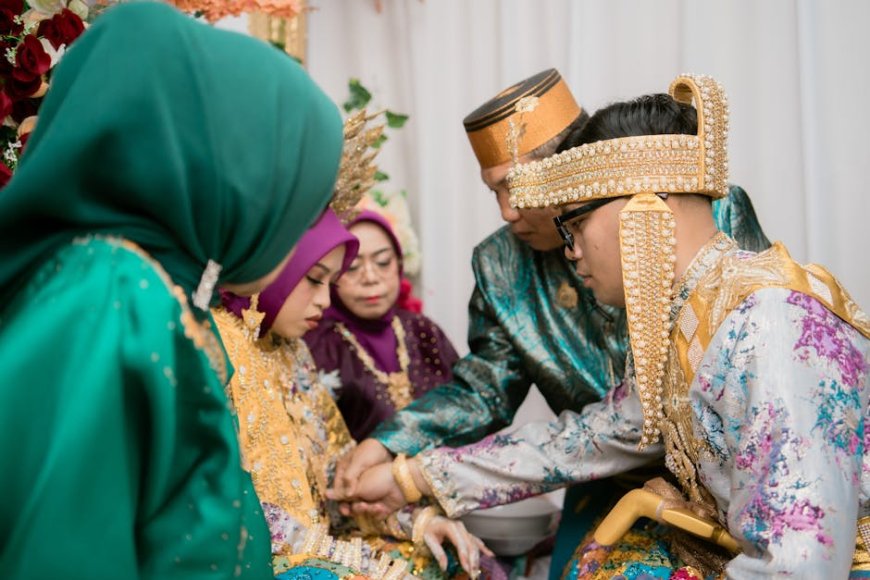
VOXBLICK.COM - Indonesia, the world’s largest archipelago, is a tapestry of over 17,000 islands, each with its own unique traditions, languages, and customs. Despite this breathtaking diversity, Indonesians are united by a profound respect for heritage and a rich array of cultural rituals that have shaped the nation’s identity for centuries. To truly understand Indonesia is to journey through its living traditionswoven into daily life, celebrated in grand festivals, and expressed in vibrant art and cuisine.
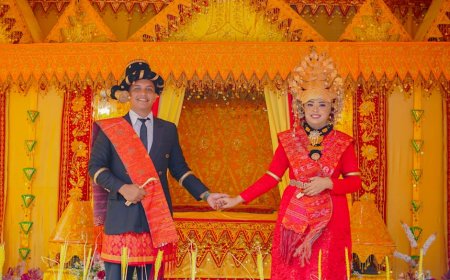
From the mystical island of Bali to the royal courts of Java, Indonesia’s customs are not mere relics of the past. They are living practices, deeply intertwined with community, spirituality, and a collective sense of belonging.
Whether it is a communal rice harvest, a shadow puppet performance, or a centuries-old batik design, every ritual and art form tells a storyoften blending indigenous beliefs with influences from Hinduism, Buddhism, Islam, and colonial history.
The Meaning Behind Indonesian Rituals
Indonesian rituals are often expressions of gratitude, respect for ancestors, and the harmonious coexistence between humans and nature.
One iconic example is the Ngaben ceremony in Balia cremation ritual that symbolizes the soul’s liberation and journey to the afterlife. Far from being somber, Ngaben is a colorful, communal celebration that honors the deceased’s memory and helps the family find peace.
On the island of Java, the Grebeg festival showcases the blending of Islam and local customs.
During this event, offerings of food and agricultural produce are paraded from the royal palace to the city’s mosques, symbolizing the sultan’s generosity and the spirit of sharing within the community. Such rituals are not just spiritual they reinforce social cohesion and cultural values across generations.
Arts and Crafts: The Soul of Indonesian Identity
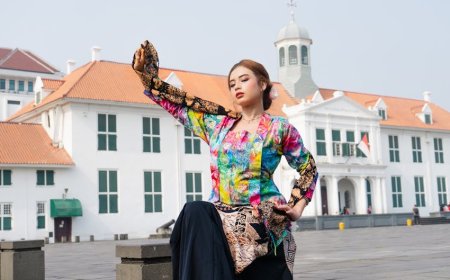
Indonesia’s artistic heritage is as varied as its islands. Batik, recognized by UNESCO as an Intangible Cultural Heritage, is more than a textileeach motif carries historical, religious, or social significance.
In Central Java, certain batik patterns were once reserved for royalty, while other designs signal marital status or regional identity. The painstaking process of waxing and dyeing batik cloth is a testament to the patience and dedication of Indonesian artisans.
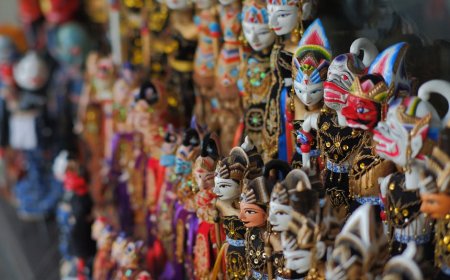
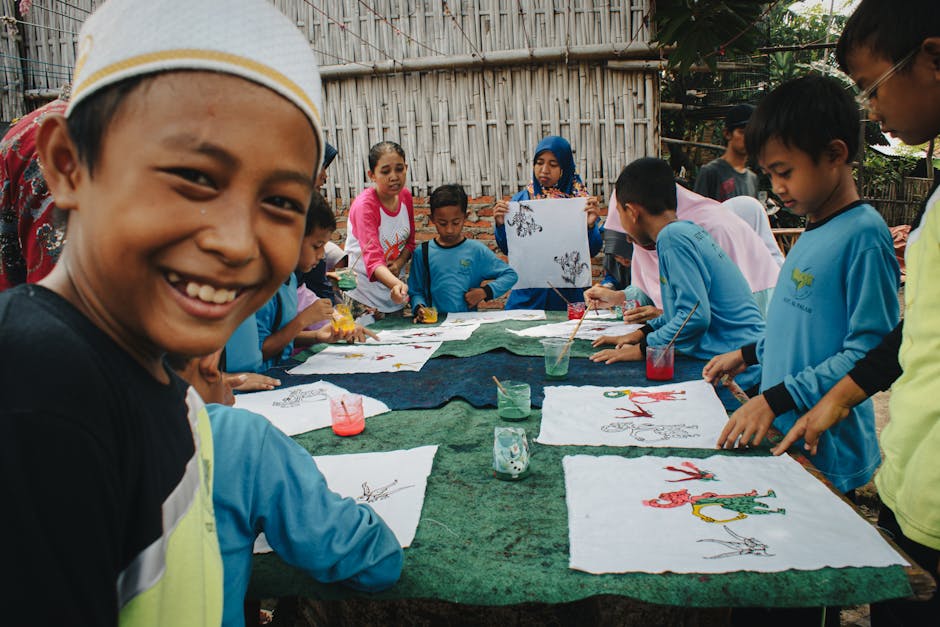
Equally mesmerizing is the ancient art of wayang kulit (shadow puppetry). These intricate leather puppets, manipulated by a dalang (puppet master), bring to life epic tales from Hindu epics like the Ramayana and Mahabharata.
The performances are more than entertainmentthey are vehicles for moral lessons, social commentary, and spiritual reflection, blending music, narration, and visual artistry into a singular cultural experience.
Culinary Heritage: Spice, Community, and Celebration
The culinary traditions of Indonesia reflect centuries of trade, migration, and adaptation. Islands like Sumatra and Java became melting pots of flavors as spices, herbs, and cooking techniques flowed from India, China, the Middle East, and Europe.
Dishes such as rendanga slow-cooked beef stew from West Sumatraare steeped in ritual and symbolism. Rendang is often prepared for important ceremonies, symbolizing patience, resilience, and communal effort, as its preparation can take hours or even days.
Another example is tumpeng, a cone-shaped rice dish surrounded by assorted side dishes. Tumpeng is central to life’s milestones: births, weddings, and even business launches.
Its shape represents the holy mountain, a symbol of gratitude to the divine, while the shared act of eating tumpeng strengthens bonds among family and friends.
Preserving and Celebrating Indonesian Heritage
In a rapidly modernizing world, Indonesians are fiercely proud of their traditions. Government initiatives, community organizations, and passionate individuals work tirelessly to preserve local languages, dances, and artisanal crafts.
Festivals like Galungan in Bali or Pasola in Sumba draw visitors from around the globe, offering a rare glimpse into rituals that have endured the test of time.
For foreigners, understanding Indonesia’s rich traditions is an invitation to look beyond surface impressions and appreciate the deep values of respect, harmony, and creativity that define this remarkable nation.
Whether through a bite of spicy sambal, the rhythm of a gamelan orchestra, or the intricate patterns of a hand-drawn batik, Indonesia’s heritage continues to inspire and connect peopleacross islands, and across the world.

What's Your Reaction?
 Like
0
Like
0
 Dislike
0
Dislike
0
 Love
0
Love
0
 Funny
0
Funny
0
 Angry
0
Angry
0
 Sad
0
Sad
0
 Wow
0
Wow
0