













Unveiling Indonesia’s Traditions Through Knowledge Sharing
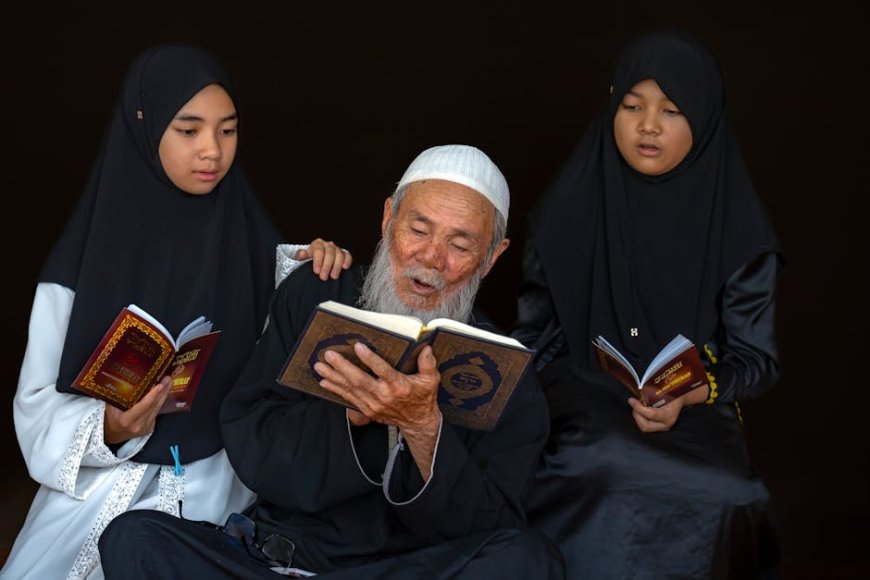
VOXBLICK.COM - Indonesia is an archipelago of over 17,000 islands, weaving together a colorful tapestry of cultures, languages, and customs. Its traditions, from sacred ceremonies to culinary delights, have been passed down through generations, creating a living heritage that continues to evolve. At the heart of this process lies knowledge sharingthe communal act of storytelling, teaching, and celebrating that ensures Indonesia’s rich traditions are preserved and cherished by future generations.
Whether in the rhythmic beat of a gamelan orchestra, the intricate batik patterns, or the flavors of a spicy rendang, each cultural element carries stories, wisdom, and meaning.
Understanding the “why” behind these practices offers a profound glimpse into Indonesian society, where knowledge is not just inherited but actively exchanged within families, villages, and communities.

The Art of Passing Down Rituals and Beliefs
In Indonesia, rituals are more than symbolic actsthey are living connections between ancestors and the present.
Take the Toraja people of South Sulawesi, whose elaborate funeral ceremonies, known as Rambu Solo, are a testament to their reverence for the afterlife. These ceremonies involve months, sometimes years, of preparation, where elders share stories and instruct younger generations on the rituals’ significance. Every stepfrom the water buffalo sacrifices to the communal feastscarries lessons about respect, gratitude, and the cycle of life and death.
Another example is Nyepi, the Balinese Day of Silence.
Before the day of quiet reflection, the community comes together for Melasti purification rites, where elders explain the meaning of cleansing the spirit and the environment. Through storytelling and participation, these rituals become more than tradition they become a living classroom for values and beliefs.
Arts and Crafts: Weaving Stories into Fabric
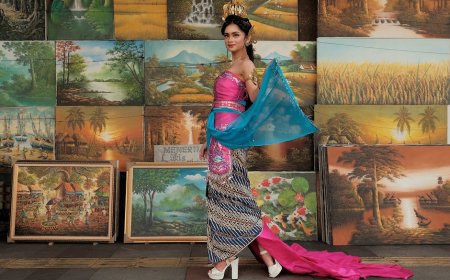
Indonesian arts and crafts are vibrant expressions of identity and history. The making of batik, a UNESCO-recognized intangible cultural heritage, is a beautiful example of knowledge sharing.
Mothers and grandmothers teach the art of wax-resist dyeing to daughters, imparting not just technique but also the symbolism behind each patternparang for resilience, kawung for purity, and mega mendung for hope.
Similarly, in the villages of Sumba and Flores, the tradition of ikat weaving is an intergenerational affair.
The complex tying and dyeing process is accompanied by stories about the origins of motifs, local legends, and the community’s relationship with nature. These arts become a means of preserving language, mythology, and a sense of place.
Culinary Heritage: Flavors that Tell Stories
Indonesia’s culinary landscape is as diverse as its islands. Dishes like rendang from West Sumatra or gudeg from Yogyakarta are not just meals but vessels of history.
Family recipes are guarded and shared during special occasions, with elders explaining the cultural meanings behind each ingredient and cooking method.
- Rendang: Traditionally cooked during festive gatherings, it symbolizes patience and togetherness, as the slow-cooking process requires hours of communal care.
- Gudeg: Made from young jackfruit, it reflects the Javanese philosophy of alon-alon asal kelakon (slowly but surely), emphasizing harmony and perseverance.
- Lawar: A Balinese salad prepared for ceremonies, where families gather to chop, mix, and share stories, reinforcing bonds and passing on culinary wisdom.
Modern Knowledge Sharing: Preserving Traditions in a Digital Age
Today, preserving Indonesian traditions is not limited to oral transmission. Communities are using digital platforms to document rituals, archive recipes, and share performances with a global audience.
Social media campaigns, YouTube tutorials, and online workshops have become vital tools for young Indonesians eager to reconnect with their roots and for foreigners interested in authentic cultural experiences.
Organizations and local governments also play a crucial role, supporting cultural festivals and education programs.
Through these efforts, knowledge sharing remains a dynamic force, ensuring that Indonesia’s traditions adapt and flourish in the modern world while retaining their deep cultural meanings.
The Enduring Power of Shared Wisdom
To truly understand Indonesia’s traditions is to appreciate the intricate web of knowledge, respect, and storytelling that sustains them.
Whether through a whispered legend, a shared meal, or a festive dance, Indonesians continue to unveil their heritage, inviting the world to learn not just the “how,” but the profound “why” at the heart of their culture.

What's Your Reaction?
 Like
0
Like
0
 Dislike
0
Dislike
0
 Love
0
Love
0
 Funny
0
Funny
0
 Angry
0
Angry
0
 Sad
0
Sad
0
 Wow
0
Wow
0