





















Indonesia and US Set to Finalize Tariff Deal in January

Indonesia and US Set to Finalize Tariff Deal in January
VOXBLICK.COM - Indonesia and the United States are on the verge of a significant breakthrough in trade relations as both countries prepare to finalize a new tariff deal in January. After months of negotiations, officials from Jakarta and Washington have resolved key issues, paving the way for a comprehensive agreement that is expected to benefit Indonesia’s burgeoning economy and further strengthen bilateral cooperation. The deal is anticipated to have far-reaching implications for trade flows, investment opportunities, and economic growth within the Indonesian market.
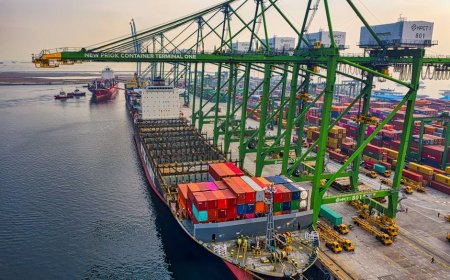
Indonesia, Southeast Asia’s largest economy, has emerged as an increasingly important player in the global supply chain.
With a diverse manufacturing base, robust natural resources, and a growing digital economy, the country represents a strategic partner for US companies seeking alternative investment destinations in Asia. The upcoming tariff agreement is expected to address long-standing trade barriers, streamline customs procedures, and provide greater market access for goods and services, particularly in sectors such as electronics, automotive, textiles, and palm oil.

According to Indonesia’s Ministry of Trade, the United States is one of Indonesia’s top export destinations, accounting for over $23 billion in exports in 2023. Key export commodities include footwear, textiles, furniture, rubber, and electrical
machinery. In return, Indonesia imports agricultural products, machinery, aircraft, and chemicals from the US. The new tariff deal is expected to reduce duties on select manufactured goods and agricultural products, creating a more favorable environment for bilateral trade and investment.
Implications for Indonesian Startups and Manufacturing
The anticipated reduction in tariffs and removal of non-tariff barriers is poised to catalyze growth in Indonesia’s dynamic startup ecosystem and manufacturing sector.
Indonesia’s tech startups, already attracting substantial foreign direct investment (FDI), stand to benefit from easier access to US markets and technology. Enhanced intellectual property protections and streamlined export processes could further accelerate partnerships and cross-border innovation.
For the manufacturing sector, the deal signals greater competitiveness for Indonesian products in the US.
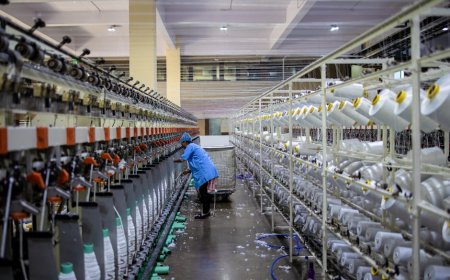
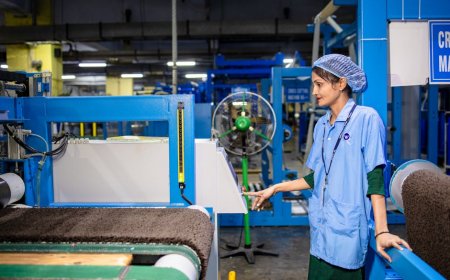
With lower tariffs, Indonesian manufacturers of textiles, footwear, electronics, and automotive components can expect increased demand and improved margins. In addition, the agreement may encourage multinational firms to consider Indonesia as a base for regional production, leveraging the country’s skilled workforce and improving infrastructure.
Boosting Foreign Investment and Economic Growth
Foreign direct investment remains a cornerstone of Indonesia’s economic strategy. In 2023, Indonesia attracted over $45 billion in FDI, with manufacturing, mining, and digital services leading the inflows.
The tariff agreement is expected to enhance investor confidence by providing regulatory certainty and improving market access, potentially attracting new investments from US companies and other international players.
- Investment Climate: Reduced trade barriers and a clearer regulatory framework could make Indonesia even more attractive for foreign investors, supporting President Joko Widodo’s vision of transforming Indonesia into a high-income country by 2045.
- Regional Impact: As US-China trade tensions persist, the Indonesia-US tariff deal may encourage supply chain diversification, benefitting Indonesia’s industrial parks and special economic zones.
- SME Opportunities: Small and medium-sized enterprises (SMEs) will have greater opportunities to participate in global value chains and expand their export footprints.
Challenges and Areas for Further Collaboration
Despite the positive outlook, several challenges remain. Indonesian exporters must adapt to evolving US standards, particularly concerning environmental sustainability and labor practices.
Ongoing efforts to improve logistics, reduce bureaucratic red tape, and enhance digital infrastructure will be critical in maximizing the deal’s benefits.
Looking ahead, the tariff agreement could serve as a foundation for broader cooperation in strategic sectors such as renewable energy, digital economy, and sustainable agriculture.
Policymakers and business leaders are optimistic that the deal will not only boost trade volumes but also foster innovation, workforce development, and inclusive growth across Indonesia’s regions.
A New Era for Indonesia-US Economic Relations
The impending Indonesia-US tariff deal marks a pivotal moment for both nations, reinforcing their commitment to open markets and economic partnership.
As the agreement moves toward finalization in January, stakeholders across the Indonesian business community are preparing to seize new opportunities in trade, investment, and technology exchange. With its strategic location, youthful population, and rapid economic transformation, Indonesia is well positioned to capitalize on this milestone and solidify its role as a key player in the evolving global economy.

What's Your Reaction?
 Like
0
Like
0
 Dislike
0
Dislike
0
 Love
0
Love
0
 Funny
0
Funny
0
 Angry
0
Angry
0
 Sad
0
Sad
0
 Wow
0
Wow
0