















Exploring Indonesia’s Rich Wellness Traditions and Cultural Heritage
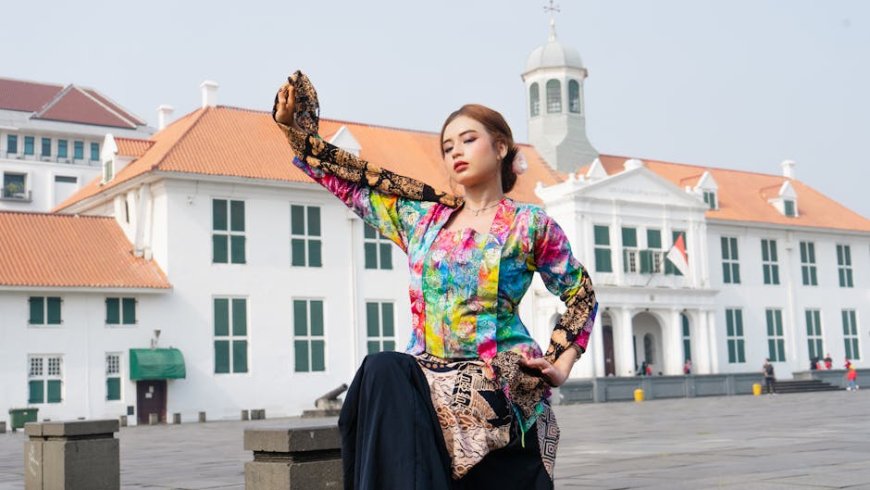
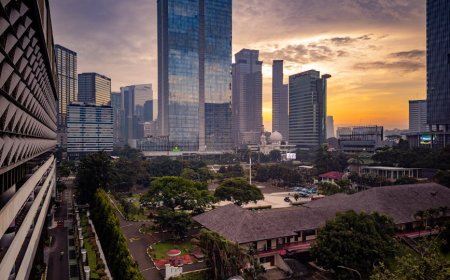
VOXBLICK.COM - Indonesia, a sprawling archipelago of over 17,000 islands, is a land where ancient traditions and vibrant cultures intertwine. From the lush rice terraces of Bali to the bustling markets of Java and the remote villages of Papua, Indonesia’s wellness practices and cultural heritage are as diverse as its geography. Beneath the surface of its world-famous beaches and volcanoes lies a rich tapestry of rituals, arts, and culinary traditions that have shaped the identity of its people for centuries.
At the heart of Indonesian society is the concept of gotong royong, or communal cooperation. This principle extends beyond daily chores, influencing ceremonies, festivals, and even traditional healing practices.
Wellness, in Indonesia, is not just personal it is social, spiritual, and deeply connected to community and the natural world. Understanding these customs helps foreign visitors appreciate the profound "why" behind Indonesia’s enduring cultural expressions.

Ancient Wellness Rituals: Jamu and Traditional Massage
Indonesian wellness traditions are rooted in a harmonious relationship with nature. One of the most enduring practices is jamu, a herbal medicine tradition passed down through generations.
Made from a blend of roots, spices, flowers, and fruits, jamu is believed to balance the body, mind, and spirit. Sellers, often women carrying woven baskets, still walk through villages and cities offering these elixirs for everything from boosting immunity to enhancing beauty. The ritual of preparing and drinking jamu is not only about physical health but also about maintaining a connection with ancestral knowledge and the natural world.
Equally significant is the art of pijat, or traditional massage. This healing practice combines physical touch with spiritual intent, aiming to restore energy flow and relieve tension.
Pijat is more than relaxationit is seen as a way to cleanse the body of negative forces and restore balance, reflecting the Indonesian belief in the interconnectedness of all living things.
Ceremonial Life: Meaning Behind Rituals and Arts
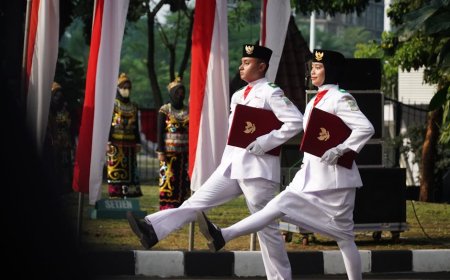
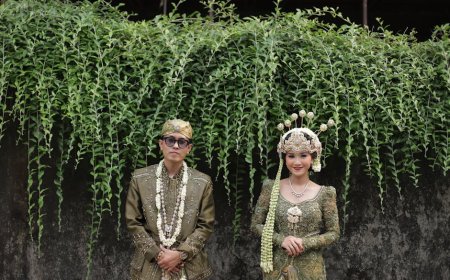
Indonesia’s wellness traditions are intricately linked with its ceremonial life. Every island, from Sumatra to Sulawesi, has its own unique rituals marking stages of life, from birth to marriage to death.
One of the most elaborate is the Balinese Melasti ceremony, a purification ritual held on beaches to cleanse the universe of spiritual impurities. These ceremonies often involve processions, offerings, and sacred dances, demonstrating respect for ancestors and the unseen forces believed to govern the world.
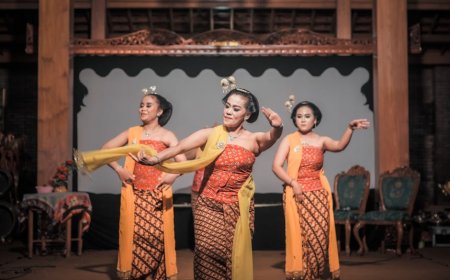
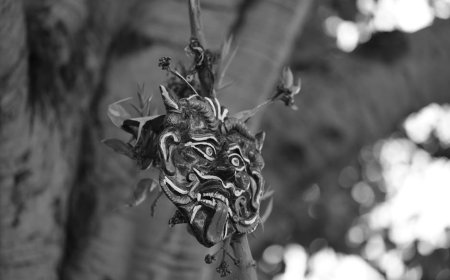
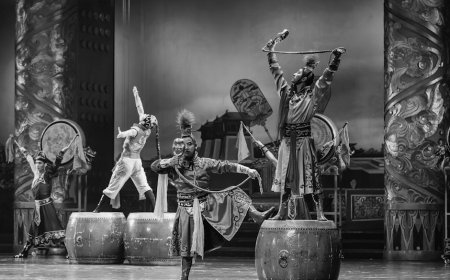
Traditional arts, such as the shadow puppet theatre known as wayang kulit, serve both as entertainment and spiritual guidance.
These performances weave tales from Hindu epics and local folklore, acting as moral lessons and reminders of the enduring values of patience, courage, and harmony. The hypnotic sounds of the gamelan, an ensemble of percussive instruments, accompany many of these events, creating an immersive sensory experience that transcends language.
Culinary Heritage: More Than Just Food
Indonesian cuisine is a reflection of its diverse cultural influences and abundant natural resources.
Dishes like rendang from West Sumatra and nasi tumpeng from Java are more than just mealsthey are symbols of identity, gratitude, and social harmony. Rendang, for instance, originated as a ceremonial dish at Minangkabau feasts, where its slow-cooking process symbolizes patience and resilience. The distinctive cone-shaped rice of nasi tumpeng, often served at communal celebrations, represents the sacred volcanoes believed to be the abode of deities.
- Sambal: A fiery chili condiment found in nearly every meal, reflecting the Indonesian love of bold flavors and communal dining.
- Satay: Skewered and grilled meats, often served during family gatherings and festivals, symbolizing unity and sharing.
- Lapis Legit: This intricate layered cake, a legacy of Dutch colonial times, is a staple during festive occasions, showing how external influences are woven into local tradition.
Preserving Heritage in a Modern World
As Indonesia modernizes, there is a renewed commitment to preserving these ancient wellness traditions and cultural practices.
Many young Indonesians are rediscovering jamu, traditional arts, and local crafts, seeing them as valuable links to their heritage and sustainable ways to promote well-being. Government and grassroots organizations alike are working to document rituals, revive endangered crafts, and share the stories behind Indonesia’s multifaceted identity with the world.
For visitors, exploring Indonesia’s wellness traditions and cultural heritage means more than sightseeingit is an invitation to witness the living history of a nation where every ritual, recipe, and performance is imbued with meaning.
Through understanding the "why" behind these practices, foreigners can appreciate Indonesia not only as a place of natural beauty but also as a guardian of profound wisdom and communal harmony.

What's Your Reaction?
 Like
0
Like
0
 Dislike
0
Dislike
0
 Love
0
Love
0
 Funny
0
Funny
0
 Angry
0
Angry
0
 Sad
0
Sad
0
 Wow
0
Wow
0