
























Indonesian Rupiah Near Record Lows Amid Fiscal and Trade Risks
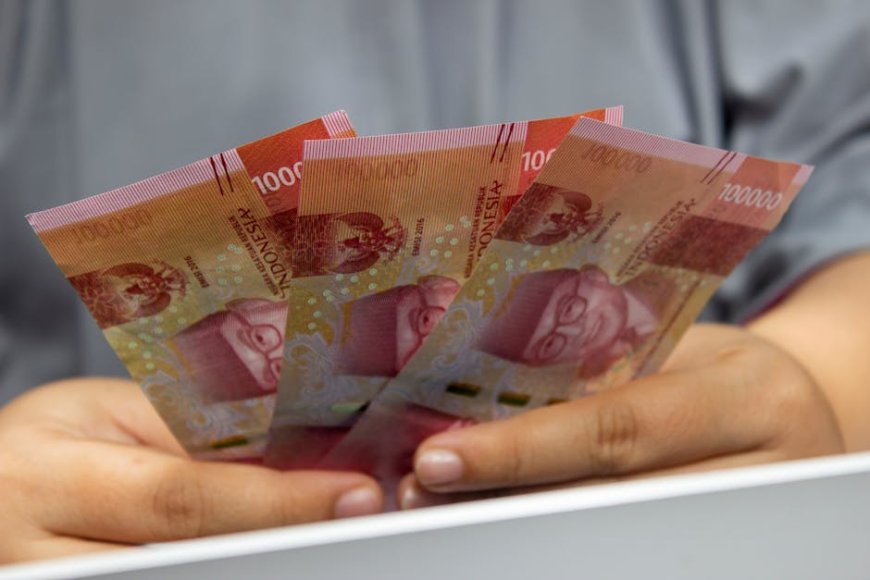
VOXBLICK.COM - The Indonesian Rupiah (IDR) has come under heightened pressure in 2024, trading near its historical lows against the US dollar. As Southeast Asia’s largest economy, Indonesia is navigating complex challenges, including fiscal risks, persistent trade imbalances, and an evolving global investment climate. These headwinds have significant implications for businesses, investors, and policymakers with interests in the region.
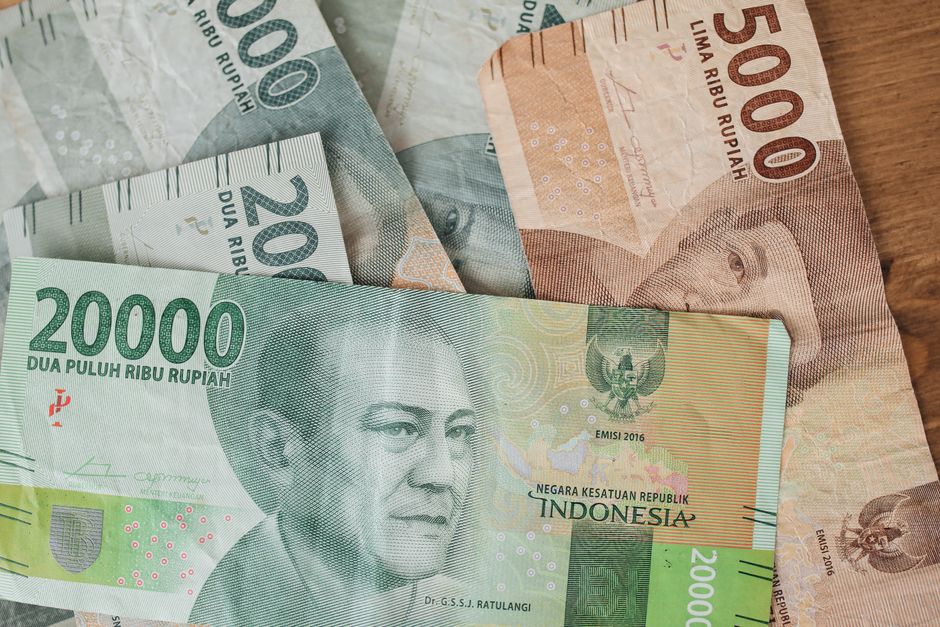
Since the start of 2024, the Rupiah has depreciated over 5% against the US dollar, hovering around the 16,300 per dollar mark, its weakest level since the Asian Financial Crisis of 1998. The currency’s slide reflects both external pressuressuch as
tightening US monetary policy and weaker Chinese demandand domestic factors, including fiscal deficits and concerns over the sustainability of government spending.
Fiscal Challenges and Budgetary Pressures
Indonesia’s state budget has come under strain as the government seeks to balance growth ambitions with fiscal prudence.
The 2024 budget projects a deficit of 2.29% of GDP, slightly wider than the previous year, as spending on infrastructure, social assistance, and election-related outlays increases. The country’s public debt has climbed to nearly 40% of GDP, still moderate by emerging market standards, but rising faster than regional peers.
The government’s commitment to new capital city development and ambitious infrastructure projects is testing its fiscal limits.
While these initiatives are expected to boost long-term productivity, short-term financing needs have increased, putting further pressure on the Rupiah. Meanwhile, Bank Indonesia has maintained a relatively hawkish stance, raising its benchmark interest rate to 6.25% in an effort to stabilize the currency and anchor inflation expectations.
Trade Headwinds and External Vulnerabilities
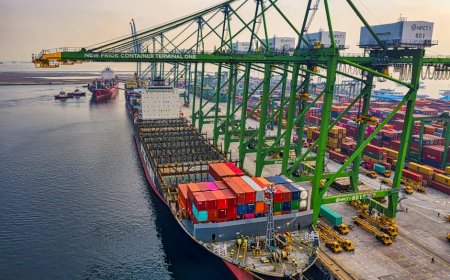
Indonesia’s trade performance has softened in 2024, with exports declining due to weaker commodity prices and subdued demand from China, its largest trading partner.
The country remains a major exporter of coal, palm oil, and nickel however, global price corrections and increased competition have eroded export revenues.
- Export values fell by 8.5% year-on-year in Q1 2024, according to Statistics Indonesia (BPS).
- Current account balance slipped into a deficit of 0.4% of GDP, reflecting a reversal from the surpluses seen during the post-pandemic commodity boom.
These external vulnerabilities have made the Rupiah more susceptible to global risk aversion and capital outflows, particularly as foreign investors adjust portfolios in anticipation of continued US rate hikes.
Economic Impact and Sectoral Outlook
The Rupiah’s depreciation has a mixed impact on the Indonesian economy. On one hand, a weaker currency can bolster export competitiveness for manufacturing and resource sectors.
On the other, it raises costs for imported goods and raw materials, fueling inflationary pressures and squeezing margins for import-dependent businesses.
Key sectors affected include:
- Manufacturing: Higher input costs may slow the momentum of Indonesia’s manufacturing renaissance, especially in automotive and electronics, which rely on imported components.
- Startups and Digital Economy: Volatility in currency markets can increase funding costs and complicate cross-border transactions for tech startups seeking international capital.
- Consumer Goods: Rising import prices risk dampening consumer sentiment, particularly as food and energy inflation accelerate.
Investment Climate and 2024 Outlook
Despite currency volatility, Indonesia’s economic fundamentals remain resilient. GDP growth is projected at 5% for 2024, supported by robust domestic consumption, steady investment inflows, and a young, dynamic workforce.
The government continues to attract foreign direct investment (FDI) through regulatory reforms and incentives in priority sectors such as renewable energy, digital technology, and downstream mineral processing.
However, investors are advised to monitor several key risk factors:
- Further weakening of the Rupiah could prompt more aggressive monetary tightening, raising borrowing costs.
- Continued fiscal expansion may challenge debt sustainability and market confidence.
- External shocks, such as escalating trade tensions or a slowdown in major export markets, could intensify capital outflows.
For long-term investors, Indonesia offers compelling opportunities, especially as the government deepens structural reforms and strengthens macroeconomic stability.
Navigating near-term currency and fiscal risks will be essential for successful participation in Southeast Asia’s largest and most dynamic market.

What's Your Reaction?
 Like
0
Like
0
 Dislike
0
Dislike
0
 Love
0
Love
0
 Funny
0
Funny
0
 Angry
0
Angry
0
 Sad
0
Sad
0
 Wow
0
Wow
0