















Indonesia’s Cultural Renaissance and the Stories Behind Its Traditions
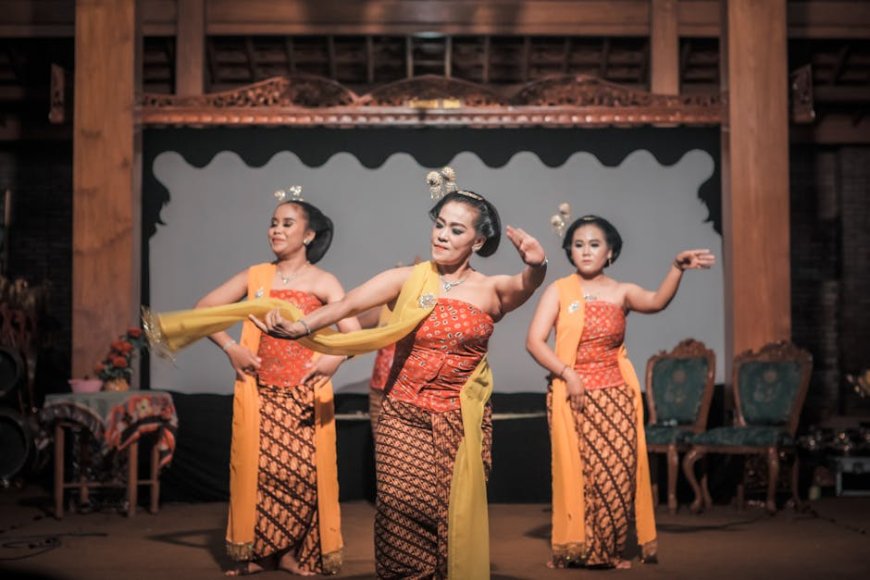
VOXBLICK.COM - Indonesia’s Cultural Renaissance and the Stories Behind Its Traditions is a living testament to the archipelago’s vibrant identity. Nestled between the Pacific and Indian Oceans, Indonesia is the world’s largest island nation, with more than 17,000 islands and over 300 distinct ethnic groups. This diversity has birthed a mosaic of traditions and rituals, each carrying centuries-old wisdom and meaning. Today, Indonesia is experiencing a cultural renaissancea period where ancient customs are being revitalized, and new generations are exploring their heritage with pride and innovation.
This cultural resurgence is not merely nostalgia it is a conscious effort to preserve, reinterpret, and celebrate Indonesia’s unique traditions amid globalization.
From royal palaces in Java to remote villages in Papua, the Indonesian people are weaving together their past and present. Through festivals, arts, and cuisine, the country is telling the world the stories behind its customs and the reasons these traditions endure.

The Meaning Behind Indonesian Rituals
Indonesian rituals are windows into the nation’s soul. Take, for example, the Balinese Ngaben cremation ceremony, which is not only a funeral rite but also a spiritual journey believed to liberate the soul and help it reach the next life.
Families invest months preparing intricate offerings, music, and danceeach step is imbued with deep symbolism, reflecting the Balinese philosophy of Tri Hita Karana, or the balance between humans, nature, and the divine.
In Java, the Sekaten festival celebrates the birthday of the Prophet Muhammad, blending Islamic devotion with Javanese court traditions.
Here, ancient gamelan orchestras echo through royal courtyards, and families share sticky rice treats, symbolizing togetherness and gratitude. Through these rituals, Indonesians reinforce community bonds and pass on their values from one generation to the next.
Traditional Arts: Guardians of Identity
Indonesia’s traditional arts are flourishing as part of its cultural renaissance.
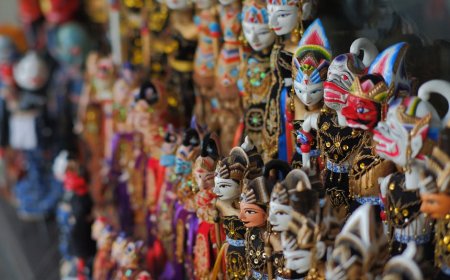
The expressive wayang kulit shadow puppet theater is more than entertainmentit is a centuries-old medium for teaching moral lessons, recounting Hindu epics, and even subtly critiquing rulers. Master puppeteers, or dalangs, are revered as storytellers and spiritual guides, ensuring that each performance preserves the knowledge and wisdom of the past.
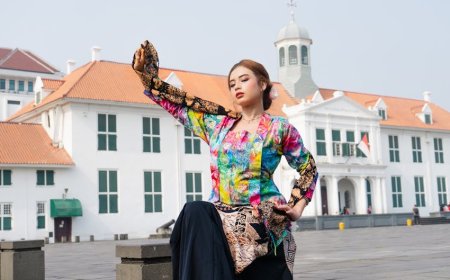
Batik, the iconic wax-resist textile, embodies the philosophy, social status, and history of its wearer. Each region has its own motifs: the Parang of Yogyakarta, once reserved for royalty, or the Mega Mendung clouds of Cirebon.
Recognized as UNESCO Intangible Cultural Heritage, batik is now worn proudly by Indonesians of all backgrounds, symbolizing both cultural pride and national unity.
Culinary Heritage: The Story in Every Dish
Indonesia’s culinary landscape is as diverse as its islands. Indonesian food is a blend of indigenous traditions, foreign influences, and local ingredients.
For instance, Rendang, a West Sumatran slow-cooked beef dish, is more than a flavorful mealit is a symbol of patience, resilience, and communal effort. Traditionally cooked during important ceremonies, the process of making rendang mirrors the Minangkabau philosophy of adat basandi syarak (custom based on Islamic principles), where good things come with time and care.
The Javanese Gudeg, a sweet jackfruit stew, tells a story of adaptation and resourcefulness. Originating from Yogyakarta, gudeg became a staple when the region’s fertile soil produced abundant jackfruit.
Over time, it evolved into a beloved dish, often served during family celebrations, connecting people to their roots and land.
The Renaissance in Contemporary Indonesia
Today’s generation of Indonesians is reclaiming and reimagining their traditions.
Young artists fuse batik patterns with contemporary fashion, musicians revive the haunting melodies of angklung and sasando, while chefs experiment with heritage recipes. Social media and digital platforms help share these stories globally, inviting visitors and fellow Indonesians alike to appreciate the depth behind every dance, dish, and festival.
- Community-Based Cultural Tourism: Villages like Penglipuran in Bali and Wae Rebo in Flores welcome travelers to experience authentic customs and daily life, fostering mutual understanding.
- Heritage Revival Initiatives: Organizations and local governments are investing in the documentation and teaching of endangered languages, crafts, and rituals.
- Creative Collaborations: Indonesian creatives are collaborating internationally, bringing traditional motifs, music, and philosophies to global audiences.
Indonesia’s cultural renaissance is more than preservationit is an invitation to engage, to learn, and to celebrate the living stories behind its traditions.
For visitors and locals alike, understanding the “why” behind Indonesia’s rituals, arts, and culinary heritage unveils a deeper appreciation for a nation that continues to honor its past while shaping its future.

What's Your Reaction?
 Like
0
Like
0
 Dislike
0
Dislike
0
 Love
0
Love
0
 Funny
0
Funny
0
 Angry
0
Angry
0
 Sad
0
Sad
0
 Wow
0
Wow
0