












Jakarta’s Sinking Crisis Threatens Biodiversity and Conservation Efforts
Jakarta’s Sinking Crisis: A Threat to Indonesia’s Biodiversity
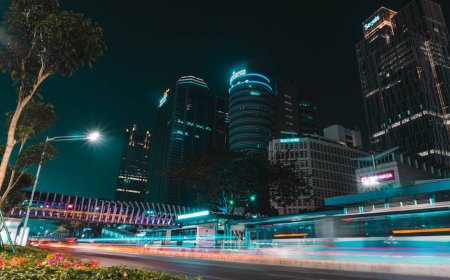
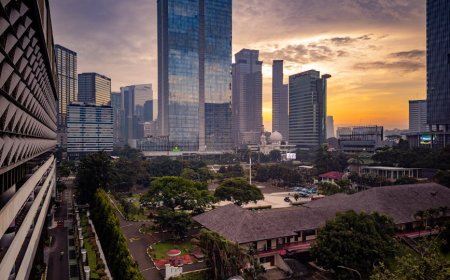
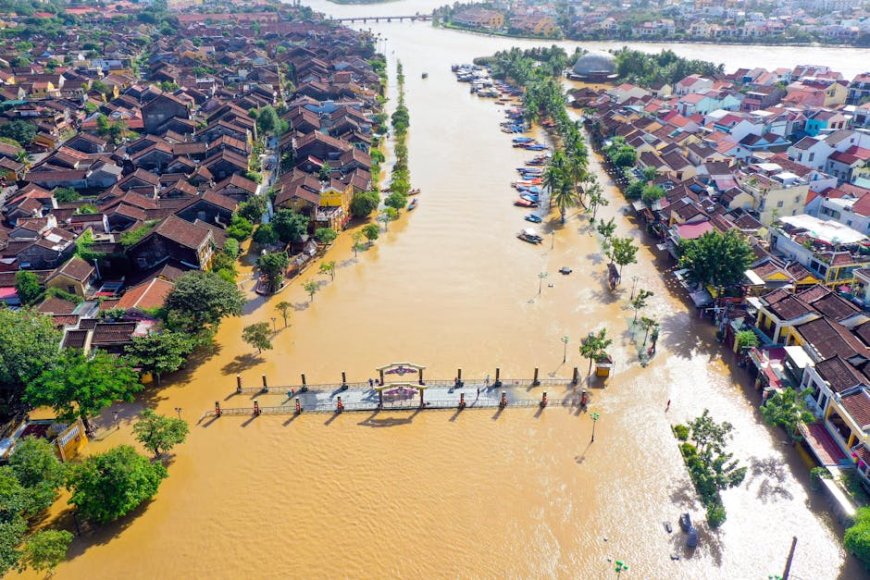
VOXBLICK.COM - Jakarta, Indonesia’s vibrant capital, is renowned for its dynamic urban life and proximity to some of the world’s richest ecosystems. Yet, beneath its bustling streets, a silent crisis is unfolding: Jakarta is sinking at an alarming rate, with some areas subsiding by up to 25 centimeters annually. This phenomenon, known as land subsidence, is not only a hazard for city dwellers but also poses a significant threat to Indonesia’s unparalleled biodiversity and ongoing conservation efforts.
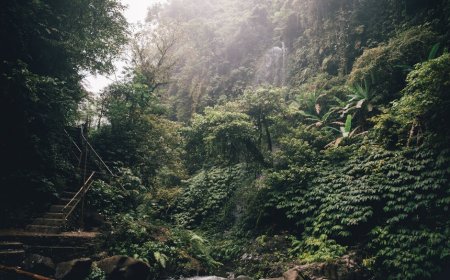
Indonesia is a global hotspot for biodiversity, home to iconic species such as the Javan rhinoceros, Sumatran tiger, and countless endemic plants and birds.
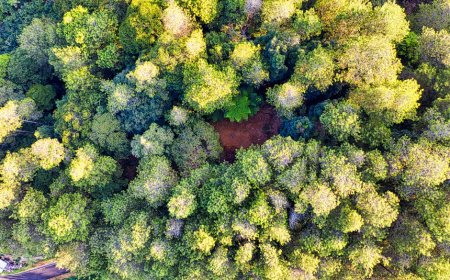
The archipelago’s coastal wetlands, mangroves, and river systems support complex ecological networks that are increasingly at risk from human-induced changes. As Jakarta sinks, the city’s vulnerability to severe flooding rises, placing both urban communities and surrounding natural habitats in jeopardy.

The Science Behind Jakarta’s Sinking
The primary driver of Jakarta’s land subsidence is excessive groundwater extraction. As the city’s population grows, so does its demand for clean watermuch of which is sourced from aquifers below the city.
Over time, the removal of groundwater causes the underlying soil to compact and sink, a process exacerbated by the weight of urban infrastructure above. Climate change compounds the problem, as rising sea levels and heavier rainfall events increase flood risks for low-lying areas.
Scientists warn that by 2050, large portions of North Jakarta could be permanently submerged if the current trends continue.
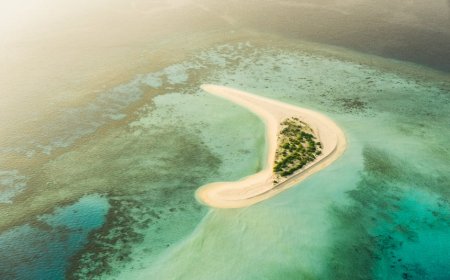
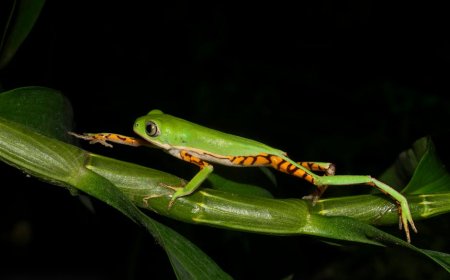
This not only threatens residential and commercial zones but also the delicate wetland and mangrove ecosystems that fringe the city’s coastline. These habitats act as natural barriers against storms, filter pollutants, and provide breeding grounds for fish, birds, and rare amphibians.
Impact on Biodiversity and Conservation Initiatives
The repercussions of Jakarta’s sinking extend far beyond urban boundaries. Floodwaters carry pollutants and debris into rivers and coastal zones, degrading water quality and disrupting the life cycles of aquatic species.
Endangered wildlife such as the milky stork (Mycteria cinerea) and the Javan slow loris (Nycticebus javanicus) rely on the very habitats most threatened by land subsidence and flooding.
Furthermore, conservation programs face mounting challenges. Wetland restoration projects, critical for carbon sequestration and biodiversity, are undermined by persistent inundation and soil salinization.
The loss of mangrove forests reduces the city’s natural flood defenses, increasing the frequency and severity of disasters. This domino effect threatens not only wildlife but also the livelihoods of communities who depend on healthy ecosystems for fisheries, agriculture, and tourism.
Innovative Solutions and Hope for the Future
Despite these daunting challenges, inspiring solutions are emerging.
The Indonesian government has launched ambitious projects, such as the National Capital Integrated Coastal Development (NCICD), which includes building a giant seawall and restoring coastal mangroves. These nature-based solutions are designed to buffer Jakarta against rising seas while revitalizing critical habitats.
- Promoting Sustainable Water Use: Efforts are underway to improve access to piped water and reduce reliance on groundwater extraction, slowing the rate of subsidence.
- Mangrove Reforestation: Community groups and NGOs are planting native mangroves to restore natural flood barriers and enhance biodiversity.
- Ecological Urban Planning: Integrating green infrastructuresuch as parks, rain gardens, and permeable surfaceshelps manage stormwater and supports urban wildlife.
- Public Awareness and Science Education: Citizen science initiatives engage Jakarta residents in monitoring biodiversity and advocating for conservation-based policies.
Jakarta’s sinking crisis is a stark reminder of the intricate connections between urban development, climate resilience, and the conservation of natural heritage.
By embracing innovative, science-driven solutions and fostering community stewardship, Indonesia can protect not only its capital but also the extraordinary biodiversity that makes the archipelago unique. The story of Jakarta is one of challenge and hopewhere informed action today can preserve a world of wonder for generations to come.

What's Your Reaction?
 Like
0
Like
0
 Dislike
0
Dislike
0
 Love
0
Love
0
 Funny
0
Funny
0
 Angry
0
Angry
0
 Sad
0
Sad
0
 Wow
0
Wow
0