







Understanding Sumatra’s Post-Disaster Recovery and Cultural Resilience
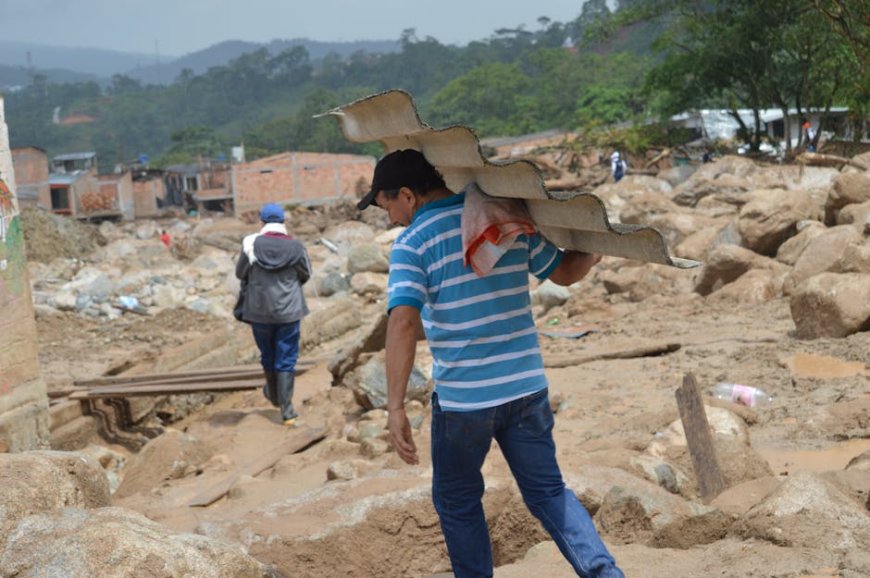
Sumatra’s Landscape: A Land Both Beautiful and Vulnerable
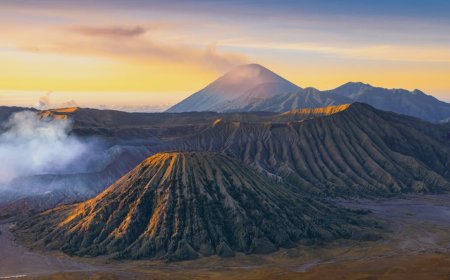
VOXBLICK.COM - Sumatra, Indonesia’s westernmost island, is renowned for its lush rainforests, towering volcanoes, and vibrant tapestry of ethnic groups. Yet this natural beauty comes with vulnerability. Each year, Sumatra faces the brunt of natural disastersfloods, landslides, and earthquakesshaped by its tropical climate and mountainous terrain. Disaster events, such as the devastating Aceh tsunami in 2004 or the recurrent floods in West Sumatra, have challenged the region’s communities. But what truly distinguishes Sumatra is not just its capacity to rebuild, but the cultural traditions and collective resilience that guide recovery and renewal.
To understand Sumatra’s response to disaster, one must look beyond logistics and emergency relief.
The island’s approach is deeply interwoven with local customs, communal values, and centuries-old rituals that offer both practical and spiritual support. Here, disaster recovery is not merely about physical reconstructionit is a cultural process that reaffirms identity, solidarity, and hope.

The Role of Adat: Customary Law and Collective Healing
Central to Sumatra’s cultural resilience is adatthe customary law and social norms that govern daily life among the island’s many ethnic groups, including the Minangkabau, Batak, and Acehnese.
In times of crisis, adat provides guidance for mutual assistance, conflict resolution, and mourning rituals. For example, after a landslide or flood, communities invoke gotong royong, the spirit of communal labor, as villagers gather to clear debris, rebuild homes, and share food. This tradition is not only practicalit reinforces bonds of trust and belonging.
Storytelling also plays a critical role. Elders recount traditional tales of past disasters and recovery, offering moral lessons and strategies for endurance.
These stories are more than folklore they are repositories of local wisdom, teaching new generations how to cope with adversity and honor the memory of those lost.
Ritual and Spiritual Meaning in Recovery
Sumatran communities often turn to ritual for solace and renewal after disaster strikes.
In the Minangkabau highlands, for instance, slametan ceremonies bring families and neighbors together to pray for safety and express gratitude for survival. Offerings of rice, fruit, and incense are made to ancestral spirits, seeking protection from future calamities. These rituals blend Islamic faith with indigenous beliefs, reflecting the syncretic nature of Indonesian spirituality.
The process of rebuilding is itself a kind of ritual. Houses are reconstructed not just as shelters, but as symbols of continuity.
The orientation of a new home, the placement of a family heirloom, or the planting of a sacred treeall these acts tie recovery to tradition and the land’s enduring spirit.
Community Networks and Modern Collaboration
While tradition forms the backbone of recovery, Sumatran communities have also embraced collaboration with external organizations.
Village leadersninik mamak in Minangkabau culture or pemuka adat elsewherework alongside NGOs and government agencies, ensuring that aid respects local customs. Training in disaster preparedness now often incorporates indigenous knowledge, such as reading environmental cues or using traditional construction methods that withstand floods.
- Local women’s groups lead initiatives in trauma healing and economic recovery, reviving crafts like weaving and food-processing to restore livelihoods.
- Youth collectives document oral histories and map vulnerable areas, blending technology with tradition.
- Religious institutions provide shelter, counsel, and a sense of stability, drawing on faith as a source of hope.
Learning from Sumatra: Lessons in Resilience
Sumatra’s post-disaster recovery is a testament to the enduring power of culture in the face of adversity.
Its traditionsrooted in adat, communal labor, storytelling, and ritualdo more than restore what was lost they transform tragedy into opportunities for renewal and unity. For visitors and observers, understanding Sumatra’s cultural resilience offers insight into the Indonesian way of facing crisis: not with despair, but with a profound sense of togetherness, respect for heritage, and hope for the future.
In a world increasingly threatened by natural disasters, Sumatra’s story reminds us that recovery is not only about rebuilding structures, but about nurturing the human spirit through shared values, memory, and tradition.

What's Your Reaction?
 Like
0
Like
0
 Dislike
0
Dislike
0
 Love
0
Love
0
 Funny
0
Funny
0
 Angry
0
Angry
0
 Sad
0
Sad
0
 Wow
0
Wow
0