






















Sumatran Tigers Signal Bukit Tigapuluh’s Ecosystem Revival
Sumatran Tigers Signal Bukit Tigapuluh’s Ecosystem Revival
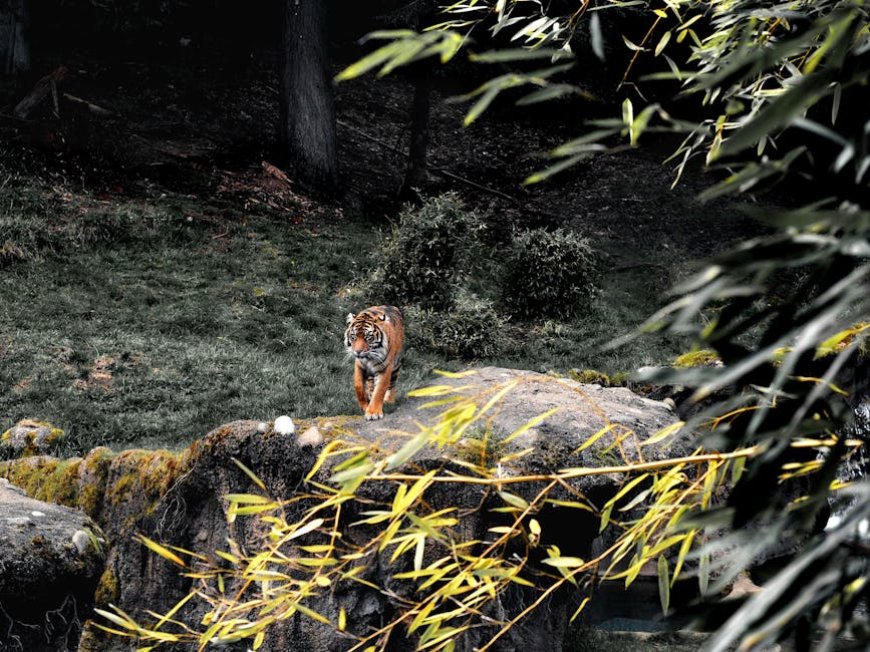
VOXBLICK.COM - Indonesia’s rainforests are legendary for their unparalleled biodiversity. Among their most iconicand elusiveinhabitants is the critically endangered Sumatran tiger (Panthera tigris sumatrae). In a remarkable turn of events, conservationists recently documented the presence of four Sumatran tigers within Bukit Tigapuluh National Park, signaling a hopeful resurgence for both the species and the broader ecosystem. This rare sighting is more than a triumph for wildlife lovers it is a testament to the resilience of nature and the effectiveness of dedicated conservation efforts in one of Southeast Asia’s most threatened rainforests.
Bukit Tigapuluh, meaning “Thirty Hills,” sprawls across the provinces of Jambi and Riau on the island of Sumatra.
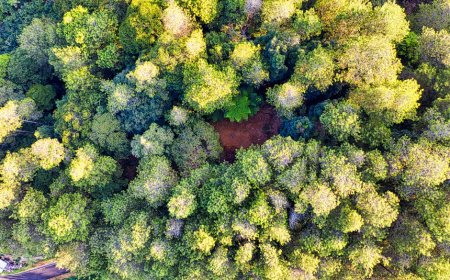
This national park is a biodiversity hotspot, harboring not only the Sumatran tiger but also critically endangered Sumatran elephants and orangutans, as well as a remarkable variety of flora. The park’s dense, lowland tropical forests are among the last refuges for these species, whose habitats have been drastically reduced by deforestation and human activity. The recent tiger sighting is a beacon of hope, suggesting that the ecological web of Bukit Tigapuluh is mending.

The Sumatran Tiger: Guardian of the Rainforest
Sumatran tigers are the smallest surviving tiger subspecies and are found exclusively in Indonesia. With less than 400 individuals estimated to remain in the wild, their survival is on a knife’s edge.
As apex predators, tigers play a crucial role in maintaining the balance of their ecosystem by regulating prey populations and fostering healthy forests. Their presence is a strong indicator of ecosystem integrity, making their return to Bukit Tigapuluh particularly significant.
These tigers face a gauntlet of threats, from habitat loss due to illegal logging and agricultural expansionparticularly palm oil plantationsto poaching and human-wildlife conflict.
The dense and remote terrain of Bukit Tigapuluh, while challenging for researchers, provides a vital sanctuary for these big cats and the many species that share their home.
Conservation Efforts Yield Results
The revival of Sumatran tigers in Bukit Tigapuluh did not happen by chance. It is the result of coordinated, science-based conservation strategies.
The Indonesian government, in partnership with global organizations like WWF, Frankfurt Zoological Society, and local communities, has implemented a suite of protective measures, including:
- Patrolling and anti-poaching units: Rangers routinely monitor the park to deter illegal activities and collect critical data on wildlife presence.
- Habitat restoration: Reforestation projects and the creation of wildlife corridors help reconnect fragmented habitats, allowing tigers and other species to thrive.
- Community engagement: Local communities participate in eco-friendly livelihood programs, reducing dependence on forest exploitation and fostering stewardship for conservation.
- Use of technology: Camera traps and satellite monitoring enable researchers to track tiger movements and assess population health with minimal disturbance.
These efforts, combined with stricter law enforcement and international awareness campaigns, have begun to turn the tide for the Sumatran tiger in Bukit Tigapuluh.
Bukit Tigapuluh: A Microcosm of Indonesia’s Biodiversity
The resurgence of tigers underscores the broader ecological richness of Bukit Tigapuluh National Park.
The park is home to more than 660 plant species, over 250 bird species, and at least 60 mammal species, including the endangered Sumatran elephant and Sumatran orangutan. Many of these species are endemic and cannot be found anywhere else on Earth, making Bukit Tigapuluh a critical stronghold for global biodiversity.
Rainforests like these also provide essential ecosystem services: they store vast amounts of carbon, regulate water cycles, and support the livelihoods of indigenous communities such as the Orang Rimba and Talang Mamak.
Protecting Bukit Tigapuluh is not only about saving tigers it is about safeguarding the intricate web of life that sustains Indonesia and the planet.
Looking Ahead: Science, Policy, and Global Responsibility
The sighting of four Sumatran tigers in Bukit Tigapuluh is a remarkable milestone, but the journey is far from over.
Ongoing scientific monitoring, habitat protection, and sustainable development are essential to ensure that this fragile recovery continues. As the world’s attention turns increasingly to biodiversity loss and climate change, Indonesia’s efforts offer a model for ecosystem restoration and species survival.
The story of Bukit Tigapuluh is a vivid reminder of what can be achieved when science, community action, and policy align.
The Sumatran tiger’s return signals not just the revival of a species, but the resilience of an entire ecosystemone that continues to inspire awe and hope for Indonesia’s natural heritage.

What's Your Reaction?
 Like
0
Like
0
 Dislike
0
Dislike
0
 Love
0
Love
0
 Funny
0
Funny
0
 Angry
0
Angry
0
 Sad
0
Sad
0
 Wow
0
Wow
0