







Understanding Papua’s Culture Through the Freeport Rescue Story
Papua’s Freeport Rescue: A Lens Into Indonesia’s Eastern Culture
VOXBLICK.COM - The recent rescue operation of Freeport workers in Papua, Indonesia, made headlines worldwide. Yet, beyond the dramatic events lies a deeper narrativeone that intertwines Papua’s unique traditions, social structure, and the complex relationship between indigenous communities and the modern Indonesian state. For those seeking to understand the “why” behind Papua’s culture, the Freeport rescue story offers a powerful entry point.
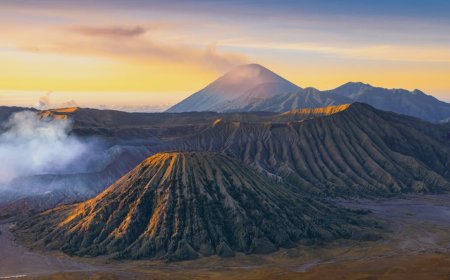
Papua, occupying the easternmost frontier of Indonesia, is a land of dramatic landscapes and remarkable cultural diversity.
Home to over 250 distinct ethnic groups and languages, Papua’s social fabric has been shaped by centuries-old customs, known locally as adat. These traditions continue to inform the way Papuans respond to crisis, negotiate conflict, and express solidaritydynamics that echoed through the recent rescue efforts at the Freeport mine.

The Role of Adat: Community, Solidarity, and Negotiation
At the heart of Papuan society is adat, an indigenous legal and moral code that governs social relations, resource use, and conflict resolution.
When the Freeport workers were trapped, the coordinated rescue efforts drew not only on technical expertise but also on the spirit of gotong royonga core Indonesian value of mutual assistance, which in Papua takes on distinctive communal forms.
In many Papuan communities, collective action is more than necessity it’s a spiritual obligation. Elders and traditional leaders, known as ondoafi, often mediate between conflicting parties, ensuring that every voice is heard.
During the rescue, tribal leaders advised authorities, drawing on ancestral wisdom about the land and its dangers. This collaboration between modern rescue teams and local traditions exemplifies how deeply rooted customs still shape contemporary events in Papua.
Traditions and Symbolism in Times of Crisis
Papuan rituals are marked by powerful symbolism, particularly in moments of danger or uncertainty. The use of ritual chants, prayers, and ancestral offerings to seek protection is common practice.
When disasters strike, communities often gather for a barapen (stone-grilled feast) to foster unity and express gratitude for deliverance. These ceremonies are not simply cultural performancesthey are living expressions of Papuan worldview, where the land, ancestors, and people are intimately connected.
The rescue of Freeport workers was accompanied by such rituals, with families and community members gathering to pray and offer thanks for the safety of those involved.
In this way, traditional customs provided emotional support and reinforced communal bonds, underscoring the resilience of Papuan identity.
Social Dynamics: Mining, Modernization, and Indigenous Rights
The Freeport mine, one of the largest gold and copper mines in the world, represents both opportunity and controversy for Papua.
For many indigenous Papuans, mining operations are a source of employment and infrastructure, yet also a flashpoint for disputes over land rights and environmental stewardship. The rescue incident highlighted the fragile balance between economic development and respect for adat.
- Land as Ancestral Heritage: In Papuan cosmology, land is not merely an asset but a sacred inheritance from ancestors. This worldview often clashes with commercial interests, making negotiation and dialogue essential.
- Community Consultation: Major projects like Freeport are required to consult with local tribal groups. The rescue operation was a reminder that these relationships are built on mutual respect and understanding.
- Modernization vs. Tradition: While mining brings modern amenities, it also tests the endurance of indigenous customs. The ability of Papuans to adapt, without losing their cultural roots, remains a testament to their resilience.
The Deeper Meaning: Understanding Papua’s Living Heritage
The Freeport rescue story is more than a tale of survival it is a window into Papua’s soul.
The steadfast reliance on adat, the power of communal rituals, and the ongoing negotiation between tradition and progress define the Papuan experience. For outsiders, understanding these dynamics is crucial not only to appreciating Papua’s rich heritage but also to supporting a more inclusive and respectful future for Indonesia’s eastern frontier.
Whether witnessed in a highland village or in the shadow of a sprawling mine, the traditions of Papua remain vibrant and vital.
They are not relics of the past, but living guides for navigating the challenges of todayreminding us that true rescue, in Papua, is as much about honoring culture as it is about saving lives.

What's Your Reaction?
 Like
0
Like
0
 Dislike
0
Dislike
0
 Love
0
Love
0
 Funny
0
Funny
0
 Angry
0
Angry
0
 Sad
0
Sad
0
 Wow
0
Wow
0