
















Exploring Indonesia's Traditions and the Stories Behind Its Culture
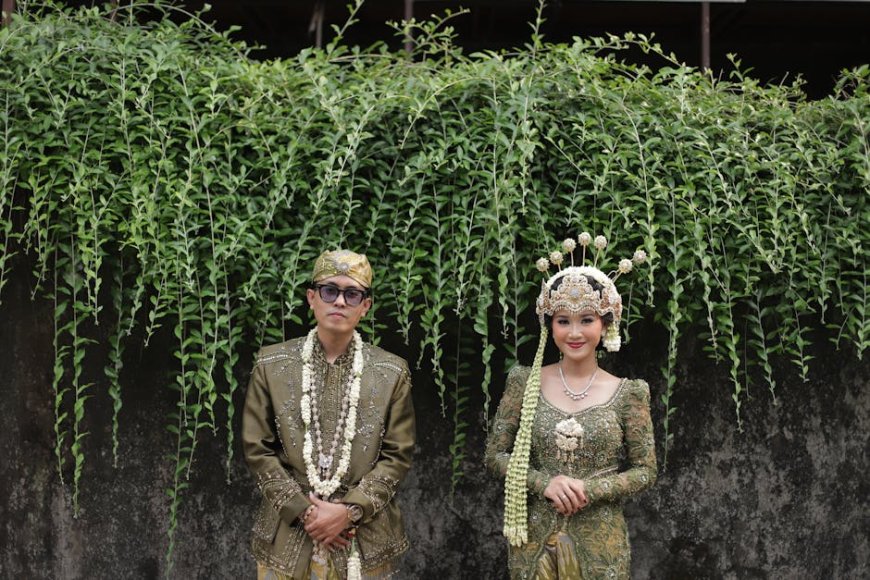
The Living Mosaic of Indonesia: A Culture Rooted in Diversity
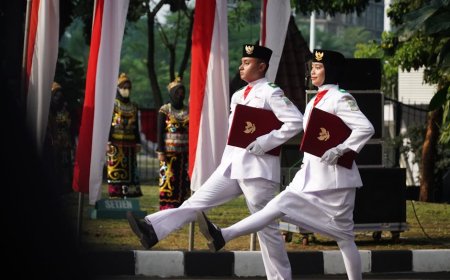
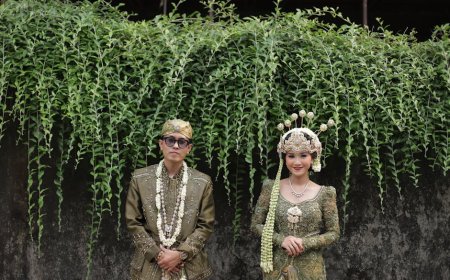
VOXBLICK.COM - Indonesia, the world’s largest archipelago, stretches across more than 17,000 islands and is home to over 300 distinct ethnic groups. This incredible diversity is reflected in Indonesia’s rich tapestry of traditions, rituals, and artistic expressions. For centuries, these customs have been shaped by the interplay between indigenous beliefs, Hindu-Buddhist influences, Islam, colonial history, and a spirit of communal harmony known as gotong royong (mutual cooperation).
To truly appreciate Indonesian culture, one must look beyond the surface and explore the stories woven into its rituals, arts, and culinary heritage.
Each custom carries meanings and values that have helped Indonesians navigate life’s milestones, honor ancestors, and foster a sense of belonging across islands and generations.

Indonesian Rituals: Meaning Behind Community and Spirituality
Many Indonesian traditions center on the connections between people, nature, and the divine.
For example, the famous Ngaben cremation ceremony in Bali is more than a funeral it is a sacred passage that liberates the soul, ensuring harmony between the physical and spiritual realms. Families invest months of preparation and artistry to honor their loved ones, reflecting the Balinese philosophy of Tri Hita Karanathe harmony of people, environment, and God.
Another profound ritual is the Grebeg celebration in Yogyakarta and Surakarta. Held during Islamic festivals, it features a parade of food offeringsgununganthat symbolize prosperity and gratitude.
Villagers eagerly await the dispersal of these offerings, believing them to bring blessings and protection for the year ahead.
Traditional Arts: Stories in Music, Dance, and Craft
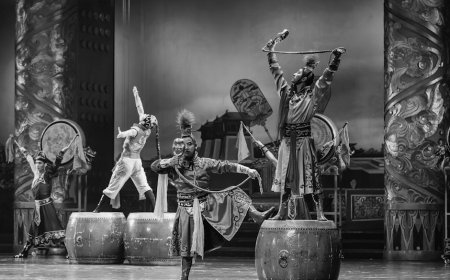
Indonesia’s arts are living stories passed through generations.
The hypnotic rhythms of the gamelan orchestra serve as the heartbeat of Javanese and Balinese ceremonies, accompanying shadow puppet (wayang kulit) performances that retell epic tales from the Ramayana and Mahabharata. These stories are not mere entertainmentthey embed moral lessons and communal values, teaching patience, humility, and respect for ancestry.
Dance, too, is a language of meaning. The Saman dance from Aceh, often called the “Dance of a Thousand Hands,” is a powerful display of collective discipline and harmony, echoing the region’s Islamic heritage.
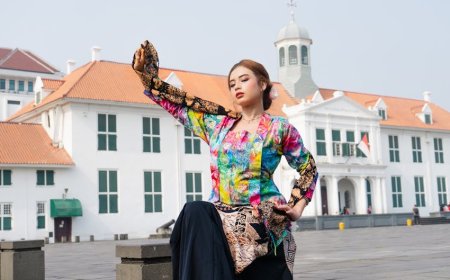
Meanwhile, the batik clothnow recognized as UNESCO Intangible Cultural Heritageis more than decorative fabric its intricate patterns often encode stories of creation, fertility, or social status, worn during important ceremonies to express identity and blessings.
Culinary Heritage: Dishes with Deep Roots
Indonesian cuisine is a delicious testament to cultural interplay. Each region boasts signature dishes, shaped by geography, trade, and tradition.
Take Rendang from West Sumatraa slow-cooked beef stew infused with coconut and spices. Traditionally served at ceremonial feasts, Rendang is a symbol of patience, resilience, and respect for community. Its slow preparation mirrors the value Indonesians place on process and togetherness.
In Java, the sweet and savory Gudegyoung jackfruit simmered in coconut milkhas a history entwined with Yogyakarta’s royal courts.
Served during family gatherings or special events, Gudeg reflects the Javanese value of harmony, balance, and subtlety in both flavor and social interaction.
- Satay: Grilled skewers marinated in spices, found from street stalls to royal banquets.
- Tumpeng: Cone-shaped rice surrounded by side dishes, presented at communal celebrations to symbolize gratitude and connection to the land.
- Tempeh: Fermented soybean cake, a staple born of ingenuity and resourcefulness, now embraced by vegetarians worldwide.
Why Indonesian Traditions Endure
Despite globalization and modern influences, Indonesian traditions remain deeply rooted. At the heart of this endurance is the concept of adatcustomary law and practicewhich governs social conduct and ensures continuity.
Through rituals, arts, and cuisine, Indonesians reaffirm their ties to ancestry, land, and each other. These practices are not static they adapt over time, blending old and new, yet always preserving the stories and values at their core.
For foreigners, exploring Indonesia’s culture is an invitation to witness how meaning is built into everyday life.
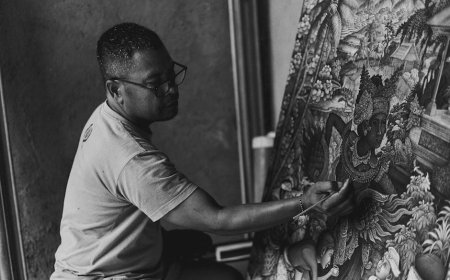
Whether joining a village ceremony, tasting a family recipe, or watching artisans at work, each experience reveals layers of history, belief, and community spirit. Understanding the “why” behind these traditions transforms travel from sightseeing to heartfelt connection, offering a glimpse into Indonesia’s soula living mosaic of stories and shared humanity.

What's Your Reaction?
 Like
0
Like
0
 Dislike
0
Dislike
0
 Love
0
Love
0
 Funny
0
Funny
0
 Angry
0
Angry
0
 Sad
0
Sad
0
 Wow
0
Wow
0