











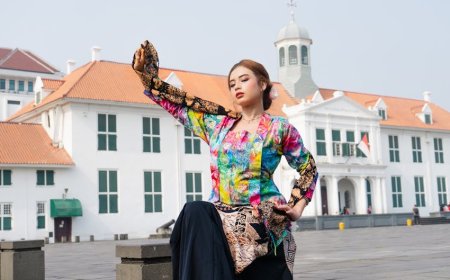





Unveiling Indonesian Culture Through Literary Translation and Local Wisdom
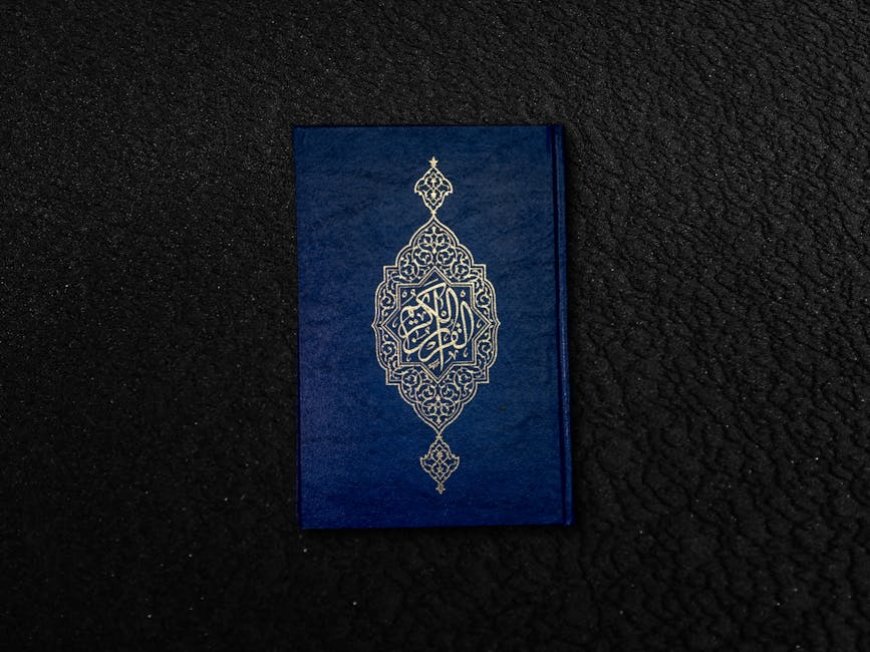
Unveiling Indonesian Culture Through Literary Translation and Local Wisdom
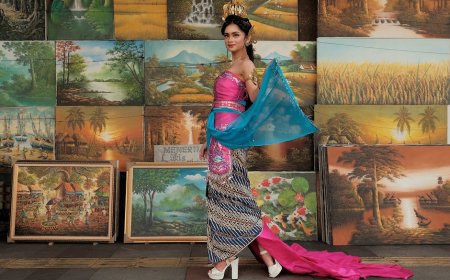
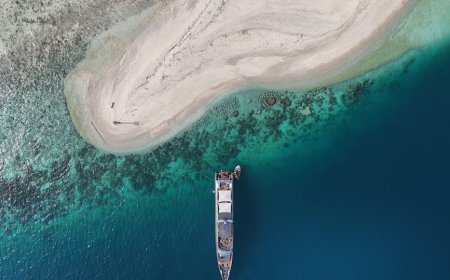
VOXBLICK.COM - Indonesia, an archipelago of more than 17,000 islands, is home to a tapestry of cultures, languages, and traditions that span centuries. Its cultural richness is not only evident in daily rituals and grand ceremonies but also in its profound literary heritage. As the world grows increasingly interconnected, literary translation has emerged as a crucial bridge, allowing the deeper nuances of Indonesian culture and local wisdom to reach global audiences. By translating stories, poems, and folklore, translators help preserve the essence of Indonesia’s collective memory and promote cross-cultural understanding.
Local wisdom, or kearifan lokal, permeates every aspect of Indonesian life. It embodies the values, philosophies, and practical knowledge passed down through generations.
This wisdom is intricately woven into oral traditions, legends, and written works, many of which have been translated into other languages. Through these translations, international readers gain access not just to tales, but to the values and philosophies that underpin Indonesian societyrespect for nature, the importance of harmony, and the enduring spirit of community.

The Role of Literary Translation in Preserving Culture
Literary translation in Indonesia is a delicate craft. Translators must navigate not only linguistic differences but also cultural subtleties embedded in the original works.
For instance, the term gotong royonga concept central to Indonesian lifedoes not have a direct English equivalent. It refers to communal cooperation and mutual assistance, a value that drives many traditional activities, from building homes to organizing festivals. Through careful translation, such concepts are explained and contextualized, enabling readers worldwide to grasp the depth of Indonesia’s communal spirit.
Indonesian literature is replete with references to rituals, customs, and local beliefs. The epic poems of Aceh, the shadow puppet stories of Java, and the mythologies of Bali all tell stories that are deeply rooted in their respective communities.
When these works are translated, they serve as cultural ambassadors, introducing global readers to the symbolic importance of, for example, the wayang kulit (shadow puppet) performance or the ritual of Nyepi (Balinese Day of Silence).
Stories as Vessels of Local Wisdom
Indonesian folktales and legends are more than mere entertainment they are vessels of local wisdom.
Take, for example, the tale of Malin Kundang from West Sumatra, which imparts lessons about filial piety and humility, or the Javanese story of Timun Mas, teaching perseverance and courage. Each region boasts its own narrative treasures, shaped by local experiences and beliefs. Through translation, these stories cross linguistic and cultural barriers, fostering empathy and understanding among diverse audiences.
- Philosophy of Harmony: Many stories emphasize balancebetween humans and nature, individuals and society. This reflects Indonesia’s deep-rooted philosophy of living in harmony, as seen in the Balinese concept of Tri Hita Karana (three causes of well-being: God, humans, and nature).
- Respect for Ancestry: Rituals and ceremonies, often depicted in translated literature, highlight the reverence Indonesians have for their ancestors, as seen in the Torajan funeral rites or the Javanese selamatan communal feast.
- Community Spirit: Through recurring motifs such as gotong royong and collective rituals, literature reveals the significance of togetherness and mutual support, values essential to Indonesian identity.
The Impact of Literary Translation on Global Perception
The translation of Indonesian literature and folklore has done much to enhance global appreciation of the archipelago’s cultural wealth. Notable works like Pramoedya Ananta Toer’s Buru Quartet or Leila S.
Chudori’s Pulang offer insight into Indonesia’s turbulent history and steadfast resilience. Meanwhile, translated poetry captures the nation’s spiritual depth and connection to the land.
As foreign readers delve into these translated works, they encounter not only beautiful prose but also the underlying values that shape Indonesian society.
This process fosters mutual respect and a richer understanding of why certain rituals endure, why traditional arts remain vibrant, and how local wisdom continues to guide daily life in Indonesia. In an era of globalization, literary translation stands as a vital guardian of Indonesia’s unique cultural heritage, ensuring that its storiesand the wisdom within themcontinue to inspire across borders.

What's Your Reaction?
 Like
0
Like
0
 Dislike
0
Dislike
0
 Love
0
Love
0
 Funny
0
Funny
0
 Angry
0
Angry
0
 Sad
0
Sad
0
 Wow
0
Wow
0