















Exploring Indonesia's Wonders: Biodiversity, Conservation, and Ancient Discoveries
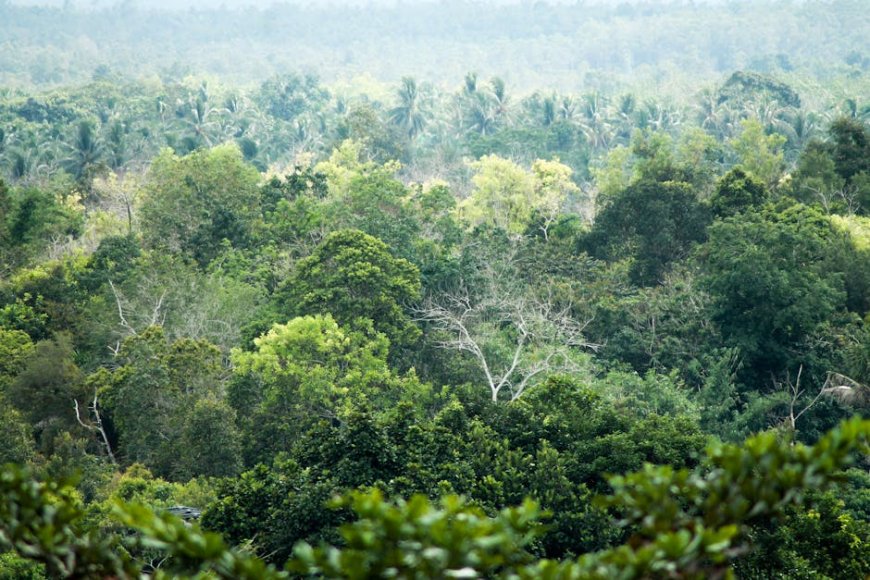
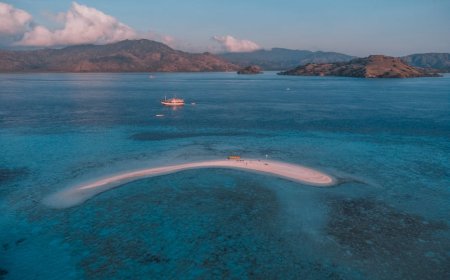
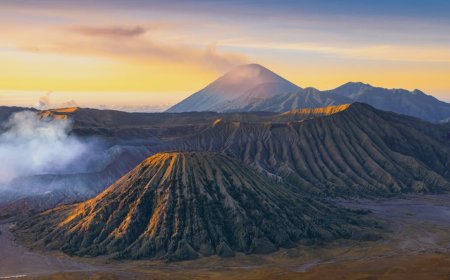
VOXBLICK.COM - Indonesia, the world’s largest archipelago, is a tapestry of vibrant ecosystems, ancient mysteries, and dynamic conservation efforts. With over 17,000 islands stretching across the equator, this Southeast Asian nation stands as a living laboratory for science and nature enthusiasts alike. Indonesias landscapes, from the lush rainforests of Sumatra to the coral-rich seas of Raja Ampat, showcase a biodiversity that is unrivaled, making it a focal point for global ecological research and preservation.
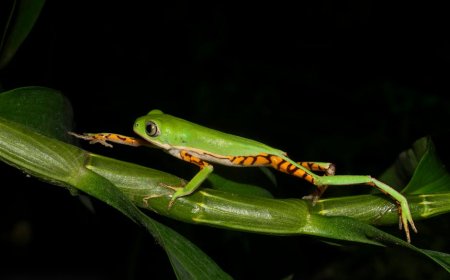
Home to more than 17% of the planet’s wildlife species, Indonesia harbors an astonishing array of flora and fauna.
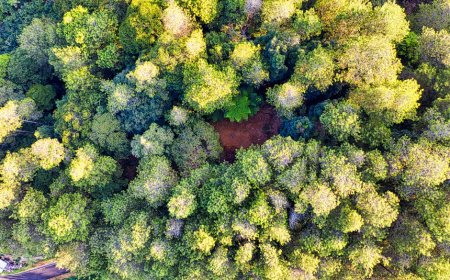
Its rainforestsamong the oldest on Earthhouse iconic species such as the Sumatran tiger, orangutan, Komodo dragon, and hundreds of endemic birds and plants. The marine environments are equally dazzling, with the Coral Triangle containing the world’s richest diversity of reef fish and corals. Yet, Indonesia’s natural heritage is not just about numbers it tells a story of evolution, adaptation, and resilience that has fascinated scientists for generations.

Biodiversity: A Living Treasure Trove
Indonesia’s biodiversity is remarkable not only in scale but also in the uniqueness of its species. The islands of Wallacea, a transitional zone between Asia and Australia, are a hotspot for speciation.
Here, unique creatures such as the anoa (dwarf buffalo) and maleo bird thrive, demonstrating the archipelago’s evolutionary wonders. The lush forests of Borneo and Sumatra are among the last refuges for critically endangered orangutans, while the Komodo National Park protects the world’s largest lizard, the Komodo dragon, a true living fossil.
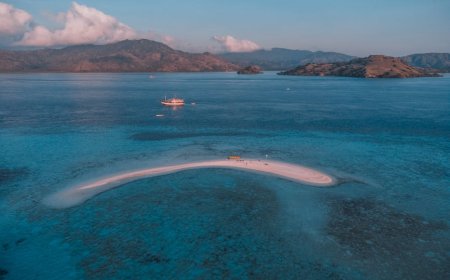
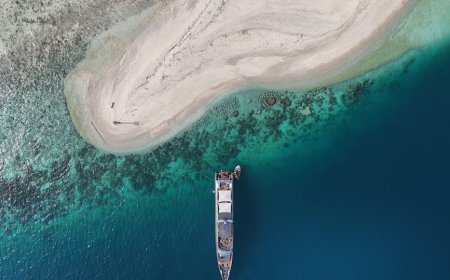
Indonesia’s waters are equally mesmerizing. The Raja Ampat archipelago, for example, is often described as the “Amazon of the Seas” due to its extraordinary marine biodiversity.
Scientists have identified over 600 species of coral and more than 1,700 species of fish in these waters, making it a global priority for marine conservation and research.
Conservation Efforts: Guardians of the Wild
Despite its natural abundance, Indonesia faces significant challenges from deforestation, climate change, and illegal wildlife trade. However, the country is also a pioneer in innovative conservation strategies.
National parks such as Gunung Leuser and Way Kambas serve as sanctuaries for endangered megafauna, while community-based forest management programs empower local people as stewards of biodiversity.
- Orangutan Rehabilitation: Centers in Borneo and Sumatra rescue, rehabilitate, and release orangutans, helping to stabilize wild populations.
- Coral Restoration: Marine scientists and local communities collaborate to restore damaged reefs using artificial structures and coral transplantation.
- Eco-Tourism: Sustainable tourism initiatives, particularly in areas like Bali and Raja Ampat, create economic incentives for preserving natural habitats.
Indonesia is also investing in renewable energy projects, such as geothermal and solar power, to reduce reliance on fossil fuels and protect its rich ecosystems from further degradation.
Ancient Discoveries: Unlocking the Past
Beyond its natural wonders, Indonesia is a treasure trove for archaeologists and paleoanthropologists.
The island of Flores yielded the discovery of Homo floresiensis, a diminutive human species nicknamed "the Hobbit," which has reshaped our understanding of human evolution. In Sulawesi, prehistoric cave paintingssome over 45,000 years oldare among the oldest known examples of figurative art, offering tantalizing glimpses into the cognitive abilities of early humans.
Sites like Borobudur and Prambanan also highlight the archipelago’s rich cultural and religious history, blending Buddhist and Hindu influences in monumental stone temples that continue to awe visitors and scholars alike.
A Future Rooted in Science and Stewardship
Indonesia’s wonders are a testament to the profound interconnectedness of life, culture, and discovery.
Scientific research, conservation innovation, and ancient archaeological finds together reveal a nation both rich in heritage and brimming with potential. As Indonesia embraces sustainable development and green technologies, it stands as a beacon of hopereminding the world that the preservation of biodiversity and history is vital for a thriving future.

What's Your Reaction?
 Like
0
Like
0
 Dislike
0
Dislike
0
 Love
0
Love
0
 Funny
0
Funny
0
 Angry
0
Angry
0
 Sad
0
Sad
0
 Wow
0
Wow
0