














Indonesia’s Biodiversity and Conservation: Protecting Nature’s Wonders
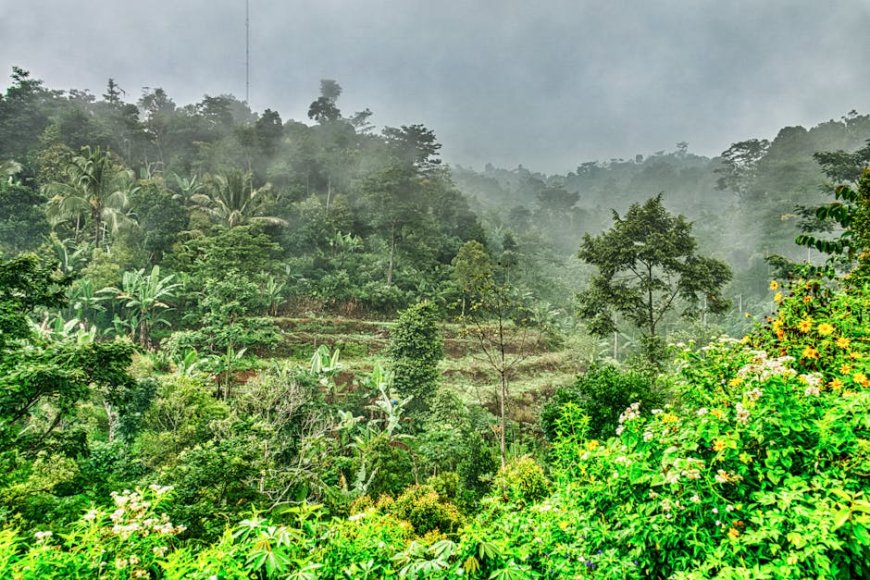
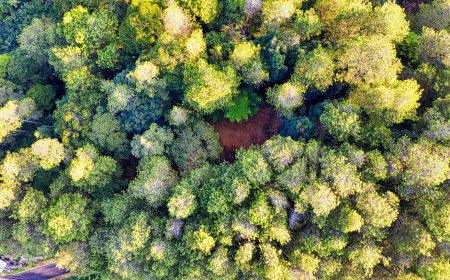
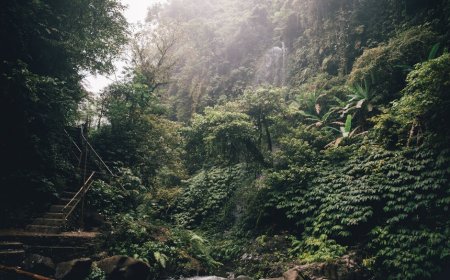
VOXBLICK.COM - Indonesia, the world’s largest archipelago, is nature’s living laboratory. Home to more than 17,000 islands, this Southeast Asian nation boasts one of the highest levels of biodiversity on Earth. Indonesia’s lush rainforests, vibrant coral reefs, and volcanic landscapes are sanctuaries for countless speciesmany of which are found nowhere else. As environmental pressures mount, Indonesia is taking bold steps toward safeguarding its natural heritage, blending ancient wisdom with cutting-edge science to ensure a sustainable future.
Spanning the equator, Indonesia’s remarkable geography nurtures a wide array of ecosystems.
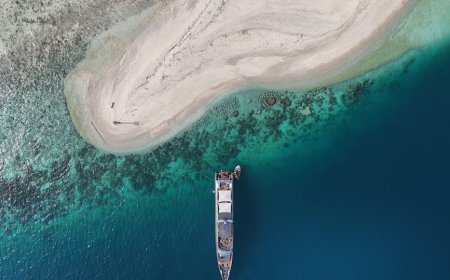
From the dense jungles of Sumatra and Borneo to the crystalline waters of Raja Ampat, the country shelters over 30,000 plant species and nearly 3,000 animal species. Critically, Indonesia is part of the “Coral Triangle,” a marine area with the world’s highest coral diversity, making it a global hotspot for oceanic life and climate regulation.

Nature’s Ark: Unique Flora and Fauna
Indonesia’s forests are a treasure trove of life.
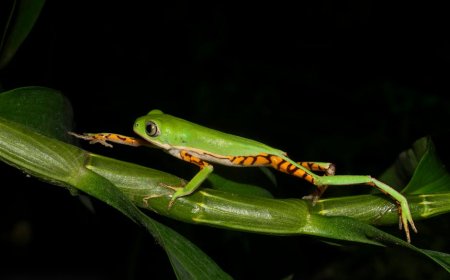
The islands of Borneo and Sumatra are the last strongholds for the critically endangered orangutan, whose intelligent gaze and complex social behaviors have captivated scientists and conservationists alike. The Sumatran tiger, Javan rhinoceros, and Komodo dragonEarth’s largest lizardare icons of the country’s evolutionary wonders. Meanwhile, the rainforests burst with orchids, carnivorous plants, and ancient cycads, painting a living mosaic that is both fragile and resilient.
The archipelago’s waters are equally spectacular. Indonesia’s coral reefs, covering over 51,000 square kilometers, teem with more than 2,000 species of reef fish and six of the world’s seven marine turtle species.
Mangroves and seagrass beds, often overlooked, play crucial roles in carbon storage and as nurseries for marine life.
Conservation in Action: Protecting Paradise
Indonesia’s biodiversity faces unprecedented threats due to habitat loss, illegal wildlife trade, and climate change. Yet, the country is forging a path toward conservation innovation.
National parks, such as Gunung Leuser, Ujung Kulon, and Lorentz, provide critical refuges for endangered species. New marine protected areas, like the Raja Ampat Marine Park, are reversing coral decline and boosting local fisheries.
- Community-Based Conservation: Local communities are increasingly empowered to protect forests and wildlife. Initiatives like “Hutan Desa” (village forests) grant indigenous groups legal stewardship, blending traditional knowledge with scientific management.
- Wildlife Rehabilitation: Rescue centers in Borneo and Sumatra rehabilitate orangutans, sun bears, and other trafficked animals, preparing them for reintroduction into the wild.
- Forest Restoration: Ambitious reforestation programs are reviving degraded peatlands and rainforests, crucial for both biodiversity and climate mitigation.
Sustainable Solutions and Renewable Innovations
Indonesia’s commitment to conservation goes hand-in-hand with advancing sustainability. The nation has set ambitious targets to reduce deforestation and greenhouse gas emissions.
Innovative projects are harnessing renewable energyfrom geothermal fields in Java to micro-hydro plants in remote villagesreducing reliance on fossil fuels and safeguarding the environment.
Eco-tourism is on the rise, inviting travelers to experience the country’s natural wonders responsibly.
Visitors can trek through pristine rainforests, dive among vibrant corals, or witness the nesting rituals of leatherback turtlesall while supporting local economies and conservation efforts.
Archaeological and Ecological Discoveries
Indonesia’s landscapes hold not just ecological, but archaeological marvels. Ancient cave paintings in Sulawesi, dating back more than 40,000 years, reveal humanity’s deep connection to these wild places.
Ongoing discoveries illuminate how past societies adapted to environmental changeoffering lessons as we strive to balance progress with preservation.
As the world faces a biodiversity crisis, Indonesia stands as a beacon of hope. Through science, community partnership, and sustainable innovation, the nation is charting a course to protect nature’s wonders for generations to come.
Its story is a powerful reminder: when we invest in the living world, we secure a legacy of beauty, resilience, and awe for all.

What's Your Reaction?
 Like
0
Like
0
 Dislike
0
Dislike
0
 Love
0
Love
0
 Funny
0
Funny
0
 Angry
0
Angry
0
 Sad
0
Sad
0
 Wow
0
Wow
0