














Exploring Indonesia’s Rich Biodiversity and Scientific Wonders
VOXBLICK.COM - Summary: Discover Indonesia’s scientific marvels, from its world-renowned biodiversity and unique wildlife to groundbreaking archaeological finds and inspiring conservation efforts, showcasing a nation at the heart of nature and discovery.
A Living Laboratory: Indonesia’s Biodiversity
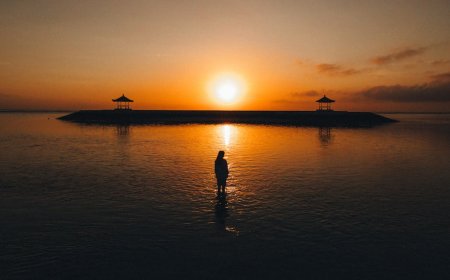
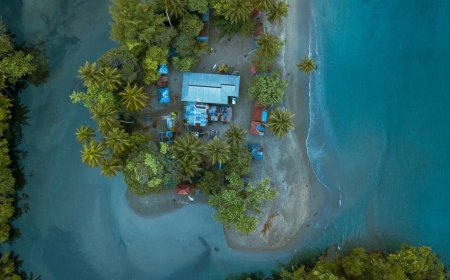
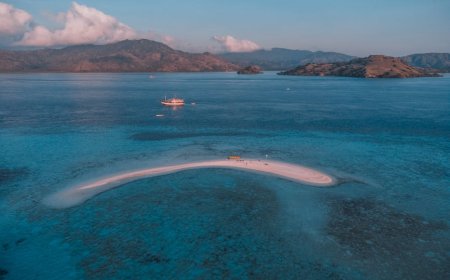
Nestled along the equator, Indonesia is the world’s largest archipelagic nation, encompassing over 17,000 islands that stretch from Sumatra to Papua.
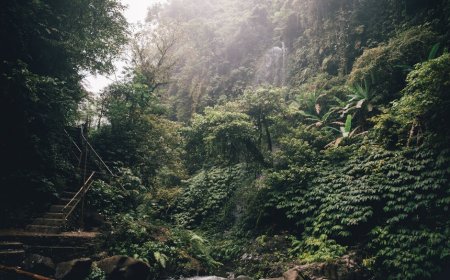
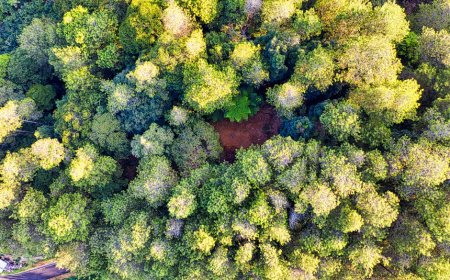
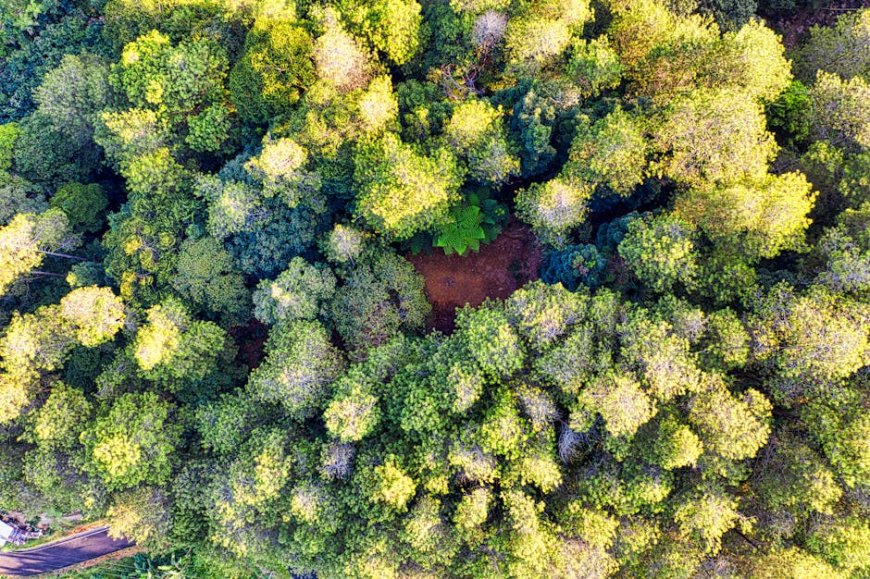
This vast expanse forms a natural bridge between the Asian and Australian continents, and is recognized as a global epicenter of biodiversity. Indonesia harbors an astonishing array of ecosystems, including dense rainforests, volcanic mountains, coral reefs, and mangrove forests. These diverse habitats are home to more than 17% of the world’s wildlife species, despite the country covering only 1.3% of Earth’s land surface.
The Indonesian archipelago boasts over 30,000 species of flowering plants, including the iconic Rafflesia arnoldii, the world’s largest flower.
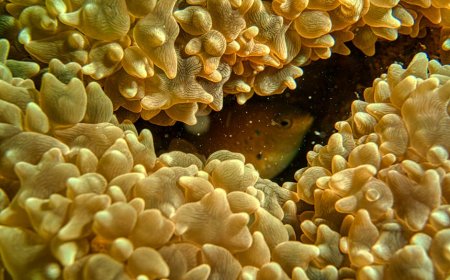
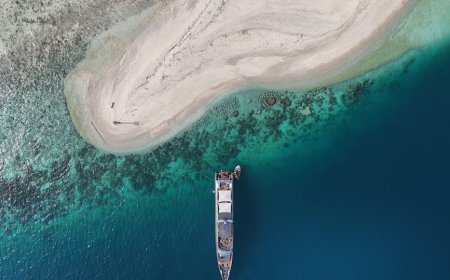
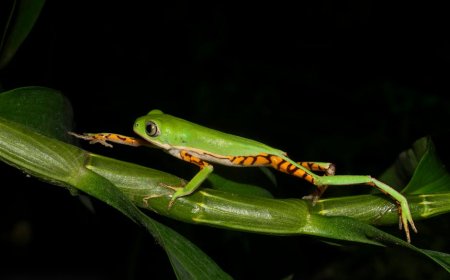
Its fauna is equally remarkable: the famed Komodo dragon, Sumatran tiger, orangutan, and the rare Javan rhinoceros all find sanctuary here. In the surrounding seas, Indonesia’s Coral Triangle is considered the richest marine environment on the planet, hosting 76% of the world’s coral species and over 2,000 types of reef fish.
Unique Wildlife and Endemic Species
Indonesia’s islands serve as evolutionary laboratories, fostering high levels of endemism. Wallacea, a biogeographical region named after the British naturalist Alfred Russel Wallace, is particularly renowned for its unique species.
The region’s natural barriersdeep ocean trenches and swift currentshave led to the evolution of animals found nowhere else on Earth. From the spectacular birds-of-paradise in Papua to the anoa, a dwarf buffalo endemic to Sulawesi, Indonesia’s wildlife continues to inspire scientists and nature lovers alike.
These islands are also home to lesser-known, yet scientifically significant, species such as the tarsier (one of the world’s smallest primates), the maleo bird which buries its eggs in geothermal sands, and the remarkable flying dragons (Draco
lizards) that glide from tree to tree. This unparalleled biodiversity provides invaluable insights into evolution, adaptation, and ecological balance.
Archaeological Treasures and Ancient Civilizations
Indonesia’s wonders are not limited to its living species. The country has yielded some of Southeast Asia’s most important archaeological finds.
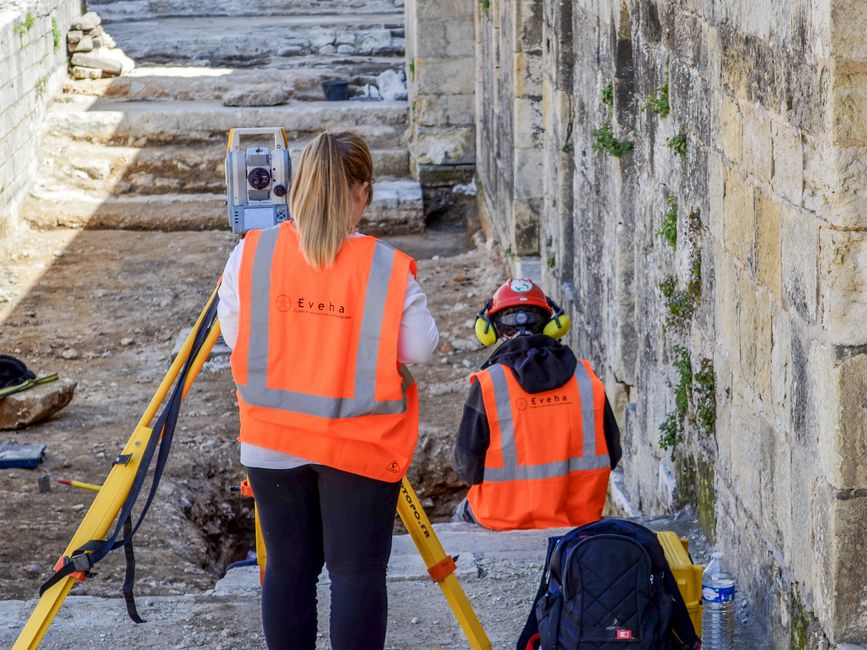
On the island of Flores, the discovery of Homo floresiensisnicknamed the “Hobbit”in 2003 fundamentally changed our understanding of human evolution. These diminutive hominins, who lived as recently as 50,000 years ago, illustrate the complexity of our ancestral tree.
Java’s Sangiran Early Man Site, a UNESCO World Heritage site, is one of the world’s richest sources of hominin fossils.
In Sulawesi, the oldest known cave artdating back nearly 45,000 yearsprovides a window into the cognitive world of Indonesia’s earliest inhabitants. These findings cement Indonesia’s role as a cornerstone in the story of humanity’s origins and migrations.
Conservation Efforts and Renewable Energy Initiatives
Indonesia’s natural riches face significant challenges, including deforestation, habitat loss, and climate change. Yet, the nation is making determined strides in conservation and sustainability.
Protected areas, such as Gunung Leuser National Park and Raja Ampat Marine Park, serve as refuges for endangered species and testbeds for eco-friendly tourism. Grassroots organizations and indigenous communities are increasingly involved in reforestation, wildlife monitoring, and the preservation of traditional ecological knowledge.
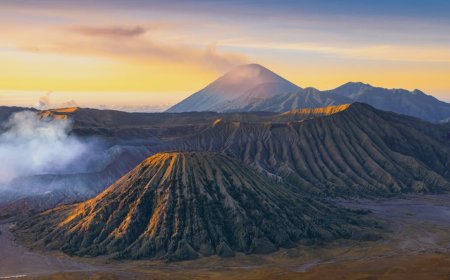
On the energy front, Indonesia’s immense geothermal potentialthanks to its position on the Pacific “Ring of Fire”has made it a leader in renewable energy development.
Investments in wind, solar, and hydropower are also growing, signaling a commitment to balancing economic growth with environmental stewardship.
Indonesia: A Nation at the Heart of Nature and Discovery
From its lush rainforests and endemic wildlife to its archaeological marvels and progressive conservation efforts, Indonesia stands as a beacon of nature and scientific discovery.
Its landscapes and research continue to inspire awe, not only for their beauty and diversity but also for the vital lessons they offer about life, evolution, and sustainability on a rapidly changing planet.
- World’s highest levels of biodiversity with thousands of endemic species
- Pioneering archaeological discoveries reshaping our understanding of human history
- Robust conservation and renewable energy initiatives for a sustainable future
For scientists, adventurers, and nature enthusiasts, Indonesia is not merely a destinationit is a living, breathing testament to the wonders of our natural world and the ongoing quest for knowledge.

What's Your Reaction?
 Like
0
Like
0
 Dislike
0
Dislike
0
 Love
0
Love
0
 Funny
0
Funny
0
 Angry
0
Angry
0
 Sad
0
Sad
0
 Wow
0
Wow
0