

















Indonesia Boosts Coastal Economy with 1,000 Fishing Villages

Indonesia’s Coastal Renaissance: The Rise of 1,000 Fishing Villages
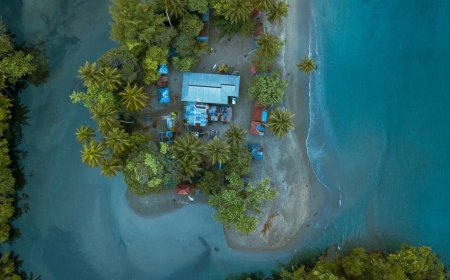
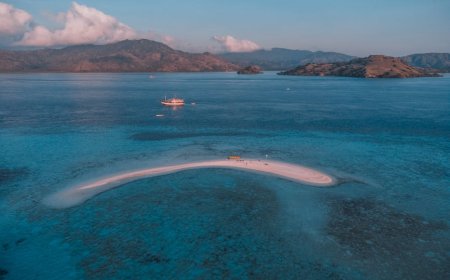
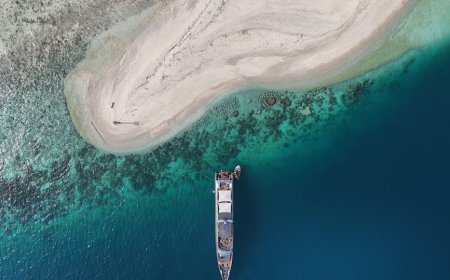
VOXBLICK.COM - Indonesia, the world’s largest archipelagic nation, is home to more than 17,000 islands and an intricate web of marine ecosystems. Its coasts stretch over 54,000 kilometers, nurturing an immense biodiversity of coral reefs, mangroves, and seagrass beds. With over 60 million Indonesians living in coastal communities, marine resources are central to both the local economy and the nation’s identity. In a bold step toward sustainability, Indonesia has launched an ambitious initiative: the establishment of 1,000 innovative fishing villages. This program aims to strengthen the coastal economy while championing marine conservation and sustainable development.
As global concerns about overfishing and marine ecosystem degradation escalate, Indonesia’s fishing village initiative stands out as a beacon of hope.
These villages are more than economic hubsthey serve as living laboratories for sustainable fisheries, biodiversity protection, and community-led stewardship of the sea. By empowering local communities and integrating scientific research, Indonesia is setting new standards for balancing economic growth with environmental responsibility.

Pioneering Sustainable Fisheries and Marine Conservation
The heart of the 1,000 fishing villages initiative lies in promoting sustainable fishing practices. Traditional knowledge is blended with cutting-edge science to ensure that fishing quotas, gear, and techniques protect both fish stocks and habitats.
Local fishers receive training in selective fishing, bycatch reduction, and the use of eco-friendly nets. These efforts are vital: Indonesia’s marine waters are home to over 3,000 fish species, including iconic creatures like the napoleon wrasse, manta ray, and dugong, all of which are vulnerable to unsustainable practices.
Biodiversity protection is woven into the design of these villages.
Many are located near or within marine protected areas, where community members act as stewardsmonitoring reef health, restoring mangroves, and combating destructive activities like dynamite fishing. This approach not only safeguards vital habitats but also enhances the resilience of coastal ecosystems in the face of climate change and rising sea levels.
Empowering Coastal Communities and Fostering Innovation
The program’s impact goes beyond environmental conservation it is fundamentally reshaping coastal livelihoods.
Each fishing village is equipped with modern infrastructurecold storage, fish processing units, and renewable energy systems such as solar panelsenabling fishers to increase their incomes and reduce post-harvest losses. Women play a central role, leading cooperatives and adding value through seafood processing and eco-tourism ventures.
Education and scientific outreach are cornerstones of the fishing village model. Collaborations with universities and NGOs facilitate training in marine biology, climate adaptation, and entrepreneurship.
This knowledge exchange empowers communities to innovate, adapt, and thrive, while fostering a new generation of ocean stewards.
A Model for Global Marine Sustainability
Indonesia’s fishing village initiative is garnering international attention as a blueprint for coastal resilience.
By integrating economic development with rigorous conservation, the nation is proving that biodiversity and prosperity can go hand-in-hand. The lessons learnedcommunity-led management, scientific monitoring, and inclusive governanceoffer hope to other coastal nations facing similar challenges.
- Biodiversity Hotspot: Indonesia’s coastal waters are home to more coral species than anywhere else on Earth.
- Community-Led Conservation: Local initiatives have restored over 500 kilometers of mangrove forests in the past five years.
- Renewable Energy: Over 40% of new fishing villages are powered by solar or hybrid energy systems.
As Indonesia’s 1,000 fishing villages take root, the world is witnessing a remarkable convergence of tradition, innovation, and conservation.
These coastal communities are not only sustaining their own futuresthey are safeguarding the blue heart of our planet for generations to come.

What's Your Reaction?
 Like
0
Like
0
 Dislike
0
Dislike
0
 Love
0
Love
0
 Funny
0
Funny
0
 Angry
0
Angry
0
 Sad
0
Sad
0
 Wow
0
Wow
0