














Understanding Indonesia’s Disaster Recovery Efforts and Cultural Resilience
Indonesia: Where Adversity Meets Enduring Cultural Spirit
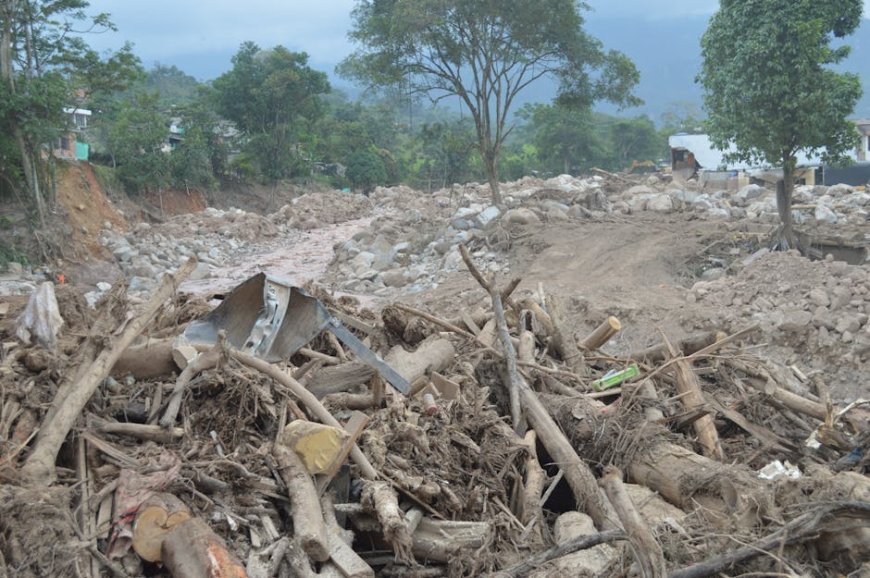
VOXBLICK.COM - Indonesia, the world’s largest archipelago, is celebrated for its vibrant cultures, lush landscapes, and spirited communities. Yet, beneath the beauty lies a nation continuously tested by nature. Earthquakes, tsunamis, volcanic eruptions, and floods are part of the Indonesian reality. What truly sets Indonesia apart is not merely its vulnerability to disasters, but the unique ways its people recover, rebuild, and preserve their sense of unitya concept deeply rooted in local tradition and collective resilience.
From ancient times, Indonesians have faced adversity with an extraordinary blend of communal solidarity (gotong royong), ritual, and adaptive wisdom.
The nation’s disaster recovery efforts are not just governmental responses but are woven into the fabric of society, reflecting a profound understanding of nature, history, and human connection. This cultural resilience has shaped Indonesia’s evolving strategies to cope with tragedy and emerge stronger each time.

The Deep Roots of Gotong Royong: Communal Recovery in Action
Central to Indonesia’s disaster recovery tradition is gotong royongthe spirit of mutual aid. This philosophy compels communities to work together, share resources, and support each other in times of need.
When disaster strikes, villagers instinctively organize collective efforts to rescue, rebuild, and restore. Homes are reconstructed not by individuals, but by neighbors and kin, embodying the belief that no one should face hardship alone.
The roots of gotong royong stem from Indonesia’s agrarian past, where survival depended on cooperation. Over centuries, this evolved into a moral code, guiding responses not only to daily life but to catastrophic events.
Even today, in the aftermath of earthquakes or volcanic eruptions, scenes of mass mobilizationwomen cooking communal meals, men clearing debris, and youth setting up temporary sheltersare common across the archipelago.
Traditional Rituals and Sacred Practices
Indonesian disaster recovery is also steeped in ritual and spirituality. Communities often hold selamatanceremonial communal feaststo seek protection, express gratitude for survival, and honor those lost.
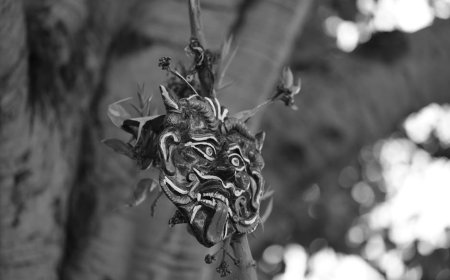
In Javanese and Balinese culture, offerings are made to appease ancestral spirits and the forces of nature believed to govern the elements. Such practices reinforce social bonds and provide psychological healing, helping survivors process trauma through shared meaning and tradition.
For many, these rituals are more than symbolic. They reconnect people to their land and history, reminding them that life’s cycles of loss and renewal are part of a larger cosmic order.
This spiritual dimension of recovery is a vital component of Indonesia’s resilience, fostering hope and collective strength in the face of uncertainty.
Modern Challenges and the Rise of a National Task Force
While tradition remains powerful, Indonesia’s vulnerability to increasingly severe natural disasters has prompted modernization.
In recent years, the government established a national task force for disaster management, integrating scientific knowledge, technology, and international cooperation with local wisdom. The formation of the Badan Nasional Penanggulangan Bencana (BNPB)Indonesia’s National Disaster Management Agencymarks a pivotal shift. The agency coordinates rapid response, risk reduction, and long-term recovery, working alongside local communities and leveraging Indonesia’s rich heritage of resilience.
Crucially, the BNPB respects local customs, inviting community leaders and elders to participate in disaster response planning.
This fusion of modern disaster management with traditional values ensures that solutions are both effective and culturally sensitive.
Lessons in Resilience: What the World Can Learn
Indonesia’s disaster recovery efforts offer valuable lessons for the global community. The nation’s ability to recover is not just a matter of logistics or technology, but of cultural identity.
By nurturing solidarity, honoring ritual, and embracing both tradition and innovation, Indonesians have forged a model of resilience that transcends borders.
- Community Empowerment: Disaster recovery is most successful when local voices lead the process.
- Cultural Healing: Rituals and shared beliefs help communities find meaning and hope after tragedy.
- Adaptive Tradition: Integrating ancestral wisdom with modern science creates robust, adaptable strategies for the future.
To understand Indonesia’s disaster recovery is to glimpse the heart of its culturea place where adversity is met with courage, compassion, and an unyielding commitment to togetherness.
Through every trial, Indonesia’s cultural resilience shines, offering a beacon of hope for all who seek to weather the storms of life.

What's Your Reaction?
 Like
0
Like
0
 Dislike
0
Dislike
0
 Love
0
Love
0
 Funny
0
Funny
0
 Angry
0
Angry
0
 Sad
0
Sad
0
 Wow
0
Wow
0