






















Indonesia-Eurasian Trade Deal Empowers Small Businesses and Investment

VOXBLICK.COM - Indonesia’s recent free trade agreement with the Eurasian Economic Union (EAEU) marks a pivotal moment for the nation’s business landscape. The deal is poised to boost the growth trajectory of Indonesian small businesses, drive foreign direct investment, and position the country as a vital player in the global supply chain.
The Indonesia-Eurasian Economic Union Comprehensive Economic Partnership Agreement (IE-EAEU CEPA) opens doors to a combined market of over 180 million consumers across Russia, Armenia, Belarus, Kazakhstan, and Kyrgyzstan.
Signed in 2024 after years of negotiation, the agreement eliminates tariffs on a significant percentage of goods, simplifies customs procedures, and enhances market access for Indonesian products. For Indonesia, Southeast Asia’s largest economy, this development is expected to have a transformative effect, especially for small and medium-sized enterprises (SMEs) looking to expand internationally.

Empowering Indonesian Small Businesses through Trade
At the heart of the agreement is an opportunity for Indonesian SMEs to reach new markets. According to the Ministry of Trade, SMEs contribute over 60% to Indonesia’s GDP and employ more than 97% of the workforce.
However, prior to the agreement, many faced difficulties entering foreign markets due to tariffs, non-tariff barriers, and logistical challenges.
The IE-EAEU CEPA reduces tariffs on key export products such as palm oil, coffee, cocoa, textiles, footwear, and furnituresectors dominated by local entrepreneurs.
With improved regulatory alignment and simplified export processes, Indonesian SMEs can now compete more effectively with regional and global players. The government has committed to providing export facilitation, digitalization support, and training to help SMEs capitalize on these new opportunities.
Attracting Foreign Direct Investment and Strengthening the Investment Climate
Beyond trade, the agreement is a strategic move to attract foreign direct investment (FDI). Indonesia has consistently aimed to boost FDI inflows to accelerate economic modernization and industrial diversification.
In 2023, Indonesia recorded a record $47 billion in FDI, according to the Indonesia Investment Coordinating Board (BKPM). Analysts predict that the trade deal will drive further FDI, particularly from Eurasian investors seeking access to Southeast Asian markets.
- Manufacturing: The removal of trade barriers is expected to encourage Eurasian companies to establish manufacturing bases in Indonesia, benefiting from lower labor costs and proximity to regional supply chains.
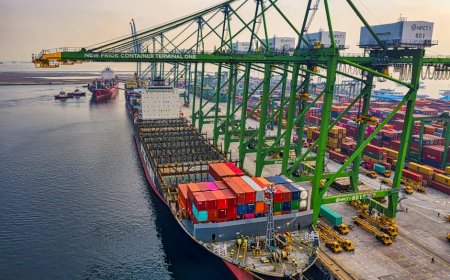
- Infrastructure and Technology: Investment in logistics, ports, and digital infrastructure is likely to increase as both sides seek to streamline trade flows and reduce bottlenecks.
- Value-added Industries: The focus is shifting from raw material exports to value-added manufacturing, supporting Indonesia’s ambition to move up the global value chain.
Economic Implications for Investors and the Region
The Indonesia-EAEU agreement is expected to contribute significantly to Indonesia’s economic growth over the next decade.
According to projections by the Asian Development Bank, the new trade regime could boost Indonesia’s non-oil exports to the EAEU by over 30% within five years. Furthermore, with the recent government initiatives to improve ease of doing businesssuch as the Omnibus Law and digital licensing portalsIndonesia’s investment climate continues to improve in the eyes of global investors.
For the broader Southeast Asian region, the deal enhances Indonesia’s role as a gateway to ASEAN, creating synergies for cross-border trade and investment.
This positions Indonesia as a strategic partner for Eurasian enterprises looking to diversify away from traditional markets and tap into the region’s growth potential.
Future Outlook and Strategic Opportunities
As the Indonesia-Eurasian trade agreement takes effect, stakeholders from SMEs to multinational corporations are expected to benefit from increased connectivity, reduced trade friction, and new partnership opportunities.
The Indonesian government’s proactive approach to trade diplomacy and investment facilitation underscores the country’s commitment to sustainable economic growth.
For investors and business leaders, Indonesia’s deepening ties with Eurasia signal an era of enhanced competitiveness, market access, and investment returns.
As regional economic integration accelerates, Indonesia stands at the forefront of a new chapter in global tradeone that empowers small businesses and attracts capital for long-term prosperity.

What's Your Reaction?
 Like
0
Like
0
 Dislike
0
Dislike
0
 Love
0
Love
0
 Funny
0
Funny
0
 Angry
0
Angry
0
 Sad
0
Sad
0
 Wow
0
Wow
0