






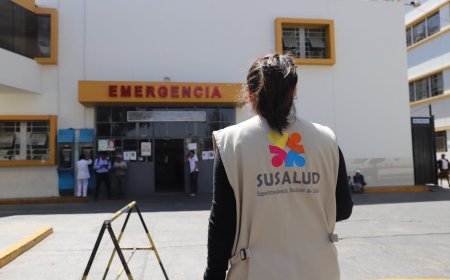















Indonesia Boosts Quarantine to Safeguard Economic Stability
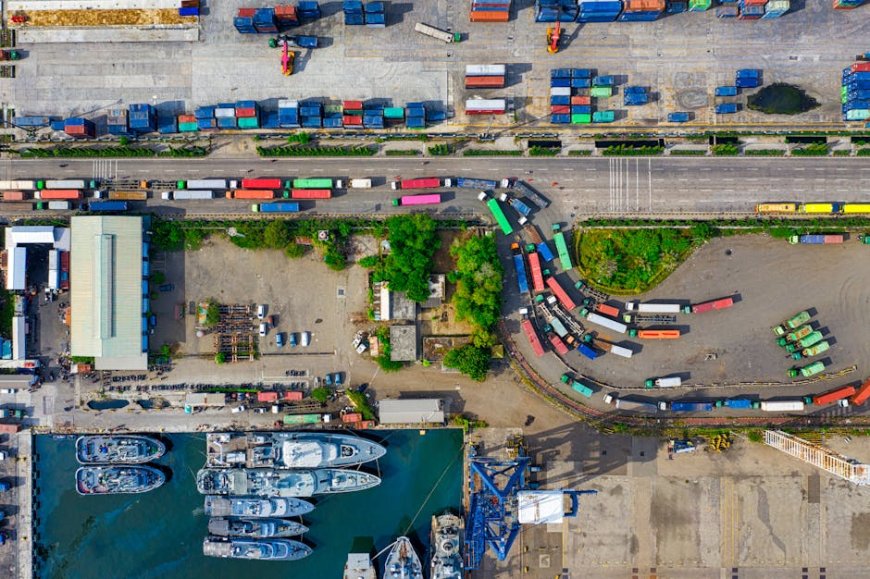
Indonesia Boosts Quarantine to Safeguard Economic Stability
VOXBLICK.COM - Indonesia, Southeast Asia’s largest economy, is taking decisive action to strengthen its quarantine measures in response to mounting global health concernsspecifically the threat posed by the Nipah virus. As the world recovers from the economic shocks of the COVID-19 pandemic, Indonesian authorities are prioritizing robust health protocols to prevent new outbreaks that could destabilize the country’s promising investment climate and ongoing economic recovery.
The Nipah virus, which has caused fatal outbreaks in neighboring countries, presents a significant risk to public health and could disrupt business operations, supply chains, and investor confidence if not effectively contained.
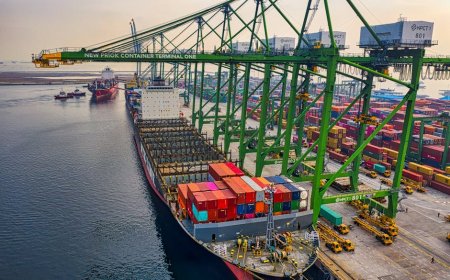
Recognizing the interconnectedness of health security and economic stability, the Indonesian government, through the Ministry of Agriculture and related agencies, has elevated its quarantine protocols at key entry points, including airports, seaports, and border crossings.

Protecting the Business Environment Amid Global Uncertainty
Indonesia’s proactive response is rooted in lessons learned from past pandemics, where delayed containment efforts led to significant economic disruptions.
By intensifying surveillance and screening for high-risk goods and travelers, Indonesia aims to minimize the risk of Nipah virus entry, thereby ensuring business continuity and protecting its position as a regional manufacturing and logistics hub.
According to the Indonesian Investment Coordinating Board (BKPM), the country attracted USD 45.6 billion in foreign direct investment (FDI) in 2023, a testament to growing investor confidence.
However, analysts caution that global health risks remain a major concern for investors considering Southeast Asia. Effective quarantine and biosecurity systems are now seen as critical prerequisites for maintaining Indonesia’s economic resilience and attractiveness to international capital.
Sectoral Impact: Manufacturing, Agriculture, and Tourism
Key sectors such as manufacturing, agriculture, and tourism are particularly sensitive to health-driven disruptions.
The manufacturing sector, which accounts for over 19% of Indonesia’s GDP, relies heavily on uninterrupted supply chains and workforce stability. Enhanced quarantine measures help to safeguard factory operations from unexpected shutdowns, allowing Indonesia to maintain its competitiveness in electronics, textiles, and automotive exports.
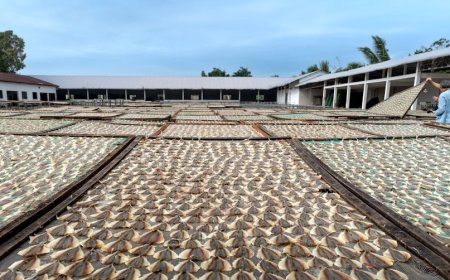
In agriculture, strict monitoring of livestock and agricultural imports is essential given that zoonotic diseases like Nipah can enter through animal and food products.
The government has implemented advanced testing and traceability systems at major ports, aiming to prevent supply shocks and protect the livelihoods of millions who depend on this sector.
Tourism, which contributed over USD 16 billion in earnings pre-pandemic, is also highly vulnerable to public health scares.
By demonstrating robust health protocols, Indonesia seeks to reassure tourists and international airlines, supporting the sector’s ongoing recovery and employment.
Maintaining Investor Confidence and Economic Growth
The government’s commitment to health security has already begun to resonate with international investors and multinational corporations.
Several global firms, including those in the electronics and automotive industries, have cited Indonesia’s improved quarantine standards as a factor in their continued investment. These measures also align with the broader regional strategy under the ASEAN Economic Community, which emphasizes resilience and sustainable growth.
- Enhanced screening: Indonesia has increased health screening for travelers from countries with reported Nipah cases.
- Technology adoption: New digital tracking and reporting systems have been introduced for livestock and agricultural imports.
- Public-private collaboration: The government is working with private sector companies to ensure compliance and rapid response in the event of detected cases.
Economic analysts project that these proactive steps can help Indonesia maintain its projected GDP growth of 5.2% in 2024, while also positioning the country as a safe and reliable destination for global investment.
Ultimately, by reinforcing its quarantine measures, Indonesia is not only safeguarding public health but also fortifying the foundations of long-term economic stability and growth.

What's Your Reaction?
 Like
0
Like
0
 Dislike
0
Dislike
0
 Love
0
Love
0
 Funny
0
Funny
0
 Angry
0
Angry
0
 Sad
0
Sad
0
 Wow
0
Wow
0