
























Indonesia Holds Interest Rates to Support Rupiah Stability

VOXBLICK.COM - Bank Indonesia (BI) has opted to keep its benchmark interest rate unchanged, underlining the central bank’s commitment to supporting the stability of the rupiah amid ongoing global economic volatility. The decision highlights Indonesia’s cautious yet adaptive approach to monetary policy, as it navigates external challenges while fostering domestic growth and investor confidence.
At its latest board of governors meeting, BI maintained the 7-day reverse repo rate at 6.25%, with deposit and lending facility rates also held steady at 5.50% and 7.00%, respectively.
This move comes at a time when emerging markets are grappling with persistent inflationary pressures, fluctuating commodity prices, and tightening monetary policies in advanced economies, particularly the United States. BI’s strategy focuses on balancing the need to anchor the rupiah and manage imported inflation, without stifling the momentum of Indonesia’s post-pandemic economic recovery.
Investor Implications: Navigating Currency and Rate Stability
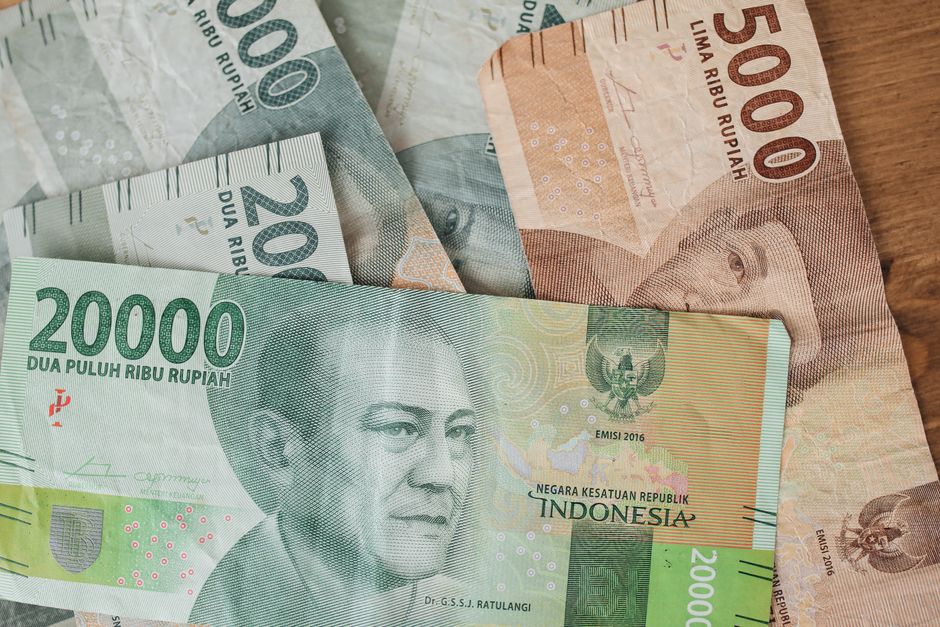
For both domestic and international investors, Bank Indonesia’s rate hold signals a clear prioritization of currency stability, which is critical for capital inflows and portfolio investment.
The Indonesian rupiah, which had experienced periods of depreciation earlier in the year, has recently stabilized due to a combination of foreign exchange interventions and resilient macroeconomic fundamentals. By keeping rates steady, BI aims to anchor investor expectations and mitigate speculative pressures that could otherwise lead to volatility in the financial markets.
This policy stance is particularly relevant for investors in sectors sensitive to exchange rate fluctuations, such as manufacturing, export-oriented industries, and foreign direct investment (FDI) projects.
A stable rupiah lowers hedging costs and provides greater predictability for business planning and profit repatriation. Recent data from Indonesia’s Investment Coordinating Board (BKPM) shows FDI inflows rising 7.7% year-on-year in Q1 2024, reaching approximately USD 11.1 billion, underscoring investor confidence in the country’s policy direction and economic prospects.
Macroeconomic Outlook: Balancing Growth and Stability
Indonesia’s economy has remained resilient, posting GDP growth of 5.11% year-on-year in Q1 2024, driven by robust household consumption and a recovering manufacturing sector.
However, external headwindssuch as potential further rate hikes by the US Federal Reserve and uncertainties arising from geopolitical tensionspose risks to capital flows and currency stability in emerging markets including Indonesia.
BI’s decision to maintain rates, rather than pursuing further tightening, reflects confidence in the country’s inflation trajectory, which has remained within the 2.5% ± 1% target range.
At the same time, the central bank has reiterated its readiness to deploy additional tools, including market interventions and macroprudential policies, should external shocks threaten financial stability or inflation expectations.
- Manufacturing and Export Dynamics: The stability of the rupiah is vital for Indonesia’s manufacturing sector, which is increasingly integrated into global supply chains. A predictable exchange rate supports export competitiveness and encourages multinational companies to expand their production bases in Indonesia.
- Startups and Tech Investment: With a burgeoning digital economy, currency and macroeconomic stability are essential for attracting venture capital and technology investments. BI’s cautious approach helps maintain the confidence of global investors seeking opportunities in Indonesia’s fast-growing e-commerce and fintech sectors.
- Infrastructure and Real Economy: Ongoing infrastructure projects, a cornerstone of President Joko Widodo’s economic agenda, benefit from stable financing conditions and a controlled inflation environment, fostering long-term economic development.
Regional Impact and Outlook
Indonesia’s monetary policy approach sets a benchmark for other ASEAN economies facing similar external pressures.
As Southeast Asia’s largest economy, Indonesia’s ability to maintain financial stability bolsters regional investor sentiment and underpins supply chain resilience across the Asia-Pacific.
Looking ahead, Bank Indonesia is expected to closely monitor global monetary developments, particularly decisions from the Federal Reserve and European Central Bank, while remaining agile in its policy responses.
For investors and business leaders, Indonesia’s commitment to rupiah stability, prudent fiscal management, and structural reforms present a compelling investment narrative in an otherwise uncertain global landscape.

What's Your Reaction?
 Like
0
Like
0
 Dislike
0
Dislike
0
 Love
0
Love
0
 Funny
0
Funny
0
 Angry
0
Angry
0
 Sad
0
Sad
0
 Wow
0
Wow
0