










Indonesia Innovates With Impact-Based Disaster Early Warning System

Indonesia’s Dynamic Landscape: At the Crossroads of Nature and Risk
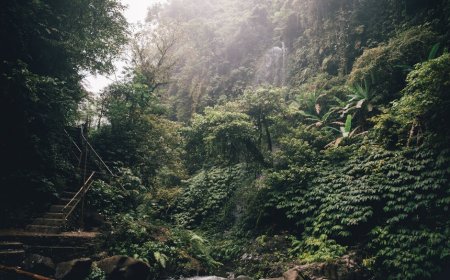
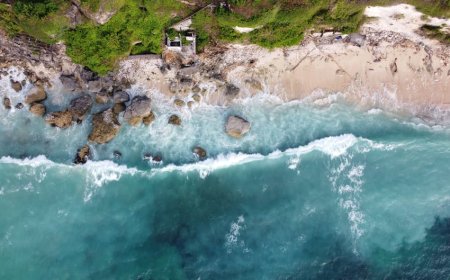
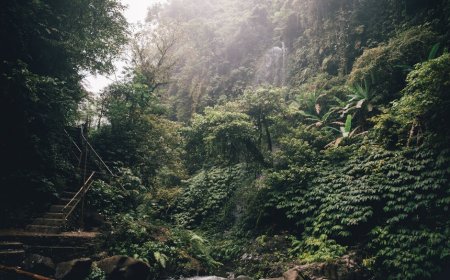
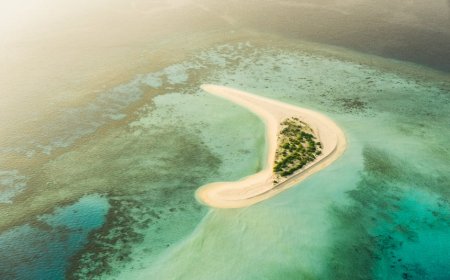
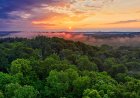
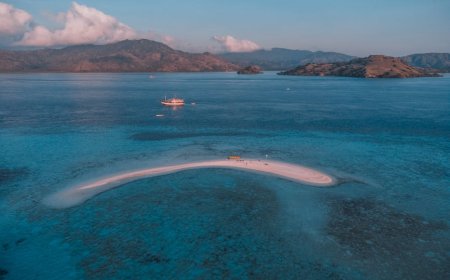
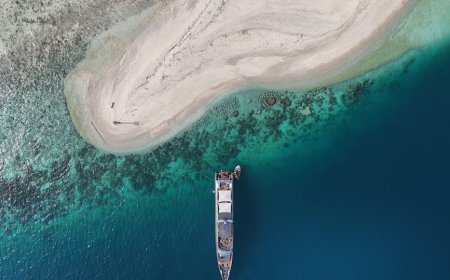
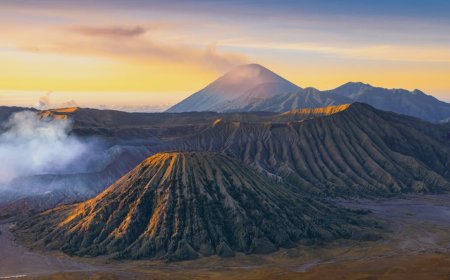
VOXBLICK.COM - Indonesia, the world’s largest archipelago, is famed for its breathtaking biodiversity, lush rainforests, and rich cultural tapestry. Yet, nestled along the volatile Pacific “Ring of Fire,” the nation also faces frequent natural hazardsearthquakes, tsunamis, volcanic eruptions, and extreme weather events. These dangers threaten not only Indonesia’s communities but also its unique ecosystems and natural heritage, including endangered species like the Sumatran tiger and orangutan.
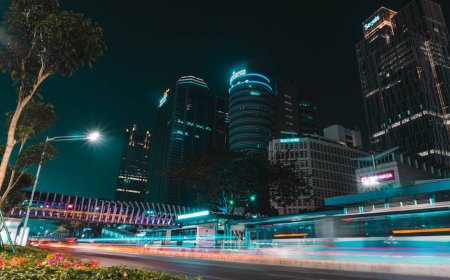
Climate change and rapid urbanization have further heightened the frequency and intensity of disasters. Floods and landslides now impact millions annually, jeopardizing lives, livelihoods, and Indonesia’s extraordinary flora and fauna.
Safeguarding this biodiversity hotspot and its people requires innovative, science-driven solutions.

BMKG’s Vision: From Hazard Alerts to Impact-Based Early Warnings
Recognizing these mounting risks, Indonesia’s Meteorology, Climatology, and Geophysical Agency (BMKG) is revolutionizing disaster preparedness with an impact-based disaster early warning system.
Unlike traditional alerts that only signal an impending hazard, this pioneering approach predicts the potential consequenceswho and what will be affected, to what extent, and where.
This shift leverages cutting-edge science and technology to translate meteorological and geophysical data into actionable, community-level insights.
BMKG integrates real-time satellite imagery, rainfall forecasts, seismic monitoring, and AI-powered models with detailed local maps. The result: tailored warnings that inform communities, government agencies, and conservation organizations not only when to act, but also how and why.
How the Impact-Based Warning System Works
- Data Collection: Sensors, satellites, and field observations provide continuous streams of weather, climate, and geophysical data.
- Hazard Modeling: Advanced algorithms forecast the likelihood and severity of events such as floods, volcanic eruptions, and storms.
- Impact Assessment: Models analyze population density, infrastructure, topography, and biodiversity to evaluate potential impactse.g., which villages, habitats, or protected areas are most at risk.
- Targeted Communication: Custom alerts are sent to specific regions, with clear guidance for evacuation, resource mobilization, or conservation action.
This system empowers everyone from local farmers to park rangers and disaster response teams, ensuring timely, science-based decisions that can save lives and protect ecosystems.
Protecting Biodiversity and Communities Alike
Indonesia’s forests, wetlands, and coral reefs harbor thousands of endemic plant and animal species. Many are acutely vulnerable to disaster events.
For instance, flash floods can devastate critical orangutan habitats, while tsunamis threaten coastal mangrove nurseries vital to marine life. The impact-based approach allows conservationists to coordinate rapid interventionssuch as relocating animals, securing seed banks, or fortifying natural barriersbefore disaster strikes.
For communities, especially those in remote or disaster-prone areas, the system provides early notice to evacuate, harvest crops, or protect freshwater sources.
By mapping social and ecological vulnerabilities, BMKG ensures that both human and natural capital are considered in every alert.
Inspirations and Global Implications
Indonesia’s impact-based disaster early warning system is drawing attention from scientists and policymakers worldwide. The integration of environmental and social data sets a new benchmark for disaster risk reduction in megadiverse countries.
It demonstrates how technological innovation, rooted in local knowledge and ecological stewardship, can create resilient societies and safeguard nature’s wonders.
As climate risks intensify, Indonesia’s model offers a blueprint for other nations seeking to protect both people and biodiversity.
In the heart of the Pacific, this archipelago is leading the waytransforming vulnerability into preparedness, and science into hope for the future.

What's Your Reaction?
 Like
0
Like
0
 Dislike
0
Dislike
0
 Love
0
Love
0
 Funny
0
Funny
0
 Angry
0
Angry
0
 Sad
0
Sad
0
 Wow
0
Wow
0