















Unveiling Indonesia’s 1945-1949 Independence Struggle Through History
VOXBLICK.COM - Indonesia’s independence struggle between 1945 and 1949 is more than a pivotal chapter in Southeast Asian historyit is a story of resilience, unity, and cultural awakening. As Indonesia prepares to release a dedicated history book on this era, revisiting these years is essential to understanding the heart and soul of the archipelago nation. For foreigners and locals alike, the struggle for sovereignty is not only a political event but a tapestry interwoven with the traditions, arts, and values that define Indonesia’s national identity.
When Sukarno and Mohammad Hatta proclaimed Indonesia’s independence on August 17, 1945, it was not merely the birth of a new nation. It was the culmination of centuries of resistance against colonialism.
The years that followed saw Indonesians from diverse backgroundsJavanese, Acehnese, Minangkabau, Balinese, and otherscoming together for a singular cause: freedom. This unity in diversity, or “Bhinneka Tunggal Ika,” became the spiritual backbone of Indonesia’s revolution. The significance of these years lies not only in their political outcomes but also in how they shaped the culture and psyche of Indonesia today.

The Cultural Tapestry of Resistance
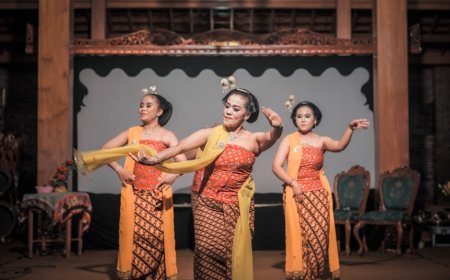
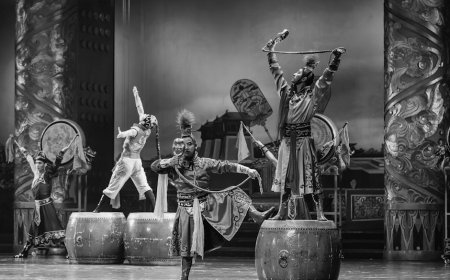
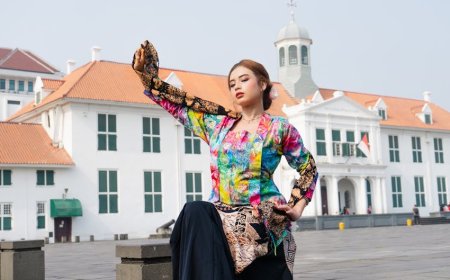
The independence struggle was not waged solely on battlefields or diplomatic tables. It pulsed through traditional music, shadow puppet (wayang) performances, poetry, and even batik cloth motifs.
These art forms became vehicles for coded messages and cultural pride. For example, wayang performances often adapted stories of ancient heroes to reflect contemporary struggles, subtly inspiring resistance among villagers. Traditional songs like “Halo-Halo Bandung” and “Gugur Bunga” immortalized the sacrifices of freedom fighters, becoming anthems of unity and remembrance.
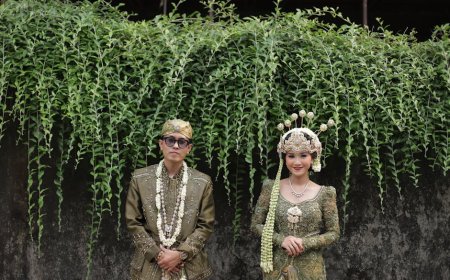
Traditional ceremonies, such as selamatan (communal feasts), became vital for secret gatherings, enabling revolutionaries to strategize under the guise of religious or familial events.
These rituals, rooted in local customs, provided cover and comfort, reinforcing communal bonds and a shared sense of destiny. Indonesian culinary traditions, too, played their part sharing simple meals of nasi bungkus (rice wrapped in banana leaves) symbolized solidarity amid hardship.
Stories of Courage and Suffering
The years 1945-1949 were marked by stories of extraordinary bravery and heartbreaking sacrifice.
In cities like Surabaya, ordinary citizensarmed with little more than bamboo spears, or bambu runcingfaced off against heavily armed colonial forces. The “Battle of Surabaya,” commemorated every November 10th as Heroes’ Day (Hari Pahlawan), is a testament to the indomitable spirit of Indonesia’s people. Oral traditions and family stories from this era continue to be passed down, shaping the collective memory and national consciousness.
Women, too, played a crucial role. Figures like Martha Christina Tiahahu in Maluku and Laksamana Malahayati in Aceh became symbols of female empowerment and resilience, challenging patriarchal norms.
Their legacies live on in local dances, songs, and the naming of streets and schools.
Why These Years Matter Today
For the younger generation and international observers, the 1945-1949 struggle offers profound lessons. The phrase “Merdeka atau Mati” (Freedom or Death) was not just a sloganit was a cultural commitment to self-determination.
This era forged the ideals of gotong royong (mutual cooperation) and community above self, principles that still define Indonesian society today.
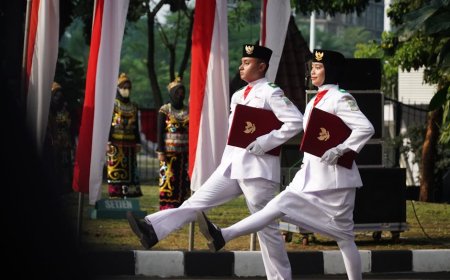
- National Holidays: Independence Day celebrations on August 17th are marked by traditional games, flag-raising ceremonies, and communal meals, all rooted in the spirit of 1945-1949.
- Art and Literature: Modern Indonesian art, literature, and cinema frequently revisit the themes and heroes of the independence era, keeping the stories alive for future generations.
- Cultural Resilience: The values and traditions that guided Indonesia through its struggle remain central to its approach to diversity, conflict, and progress.
Shaping Indonesia’s National Identity
As Indonesia moves forward and plans a new history book dedicated to this period, the significance of the 1945-1949 independence struggle grows ever more relevant.
Understanding this era is crucial not only to appreciating Indonesia’s political journey but also its cultural and spiritual resilience. For foreigners seeking to grasp the essence of Indonesian culture, knowing the traditions, arts, and communal rituals that underpinned this struggle is key to understanding the “why” behind the nation’s enduring pride and unity.
Indonesia’s independence is not just a date in historyit is a living heritage, celebrated in every dance, song, story, and meal.
Through its rich traditions, Indonesia continues to honor those years, reminding the world of the power of unity and the enduring spirit of freedom.

What's Your Reaction?
 Like
0
Like
0
 Dislike
0
Dislike
0
 Love
0
Love
0
 Funny
0
Funny
0
 Angry
0
Angry
0
 Sad
0
Sad
0
 Wow
0
Wow
0