













Understanding Indonesia’s Modern Unrest and Cultural Resilience
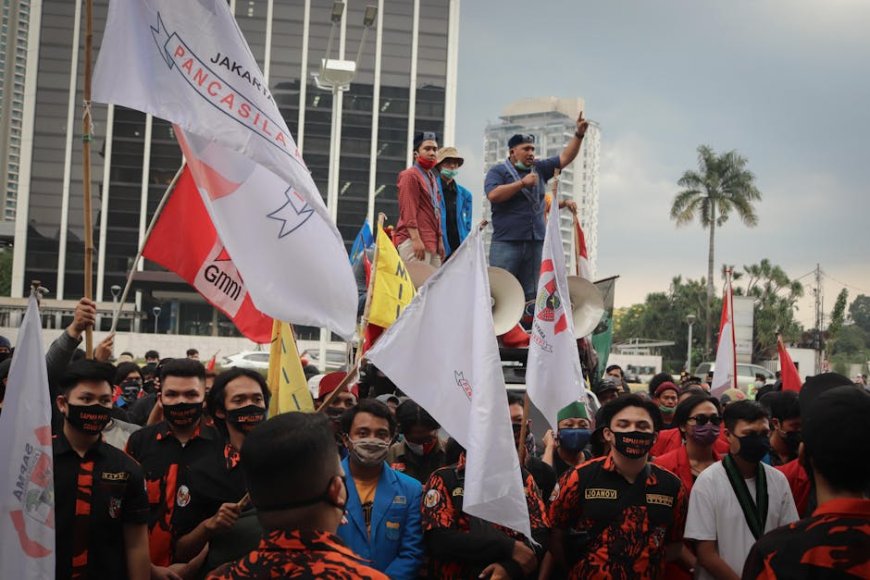
VOXBLICK.COM - Indonesia, the world’s largest archipelago, is a kaleidoscope of cultures, languages, and traditions. Its vibrant heritage often masks deeper currents of social and political change. Recent eventssuch as the August riots and the digital saga of outspoken online criticshave drawn global attention, prompting many to ask: What lies beneath Indonesia’s modern unrest, and how do its people remain so resilient?
The answer is complex and deeply rooted in Indonesia’s unique tapestry: a confluence of ancient rituals, colonial history, diverse ethnicities, and a spirit of adaptation.
To understand the modern turbulence, one must first appreciate the historical rhythms and cultural resilience that have long defined Indonesian society.

The Roots of Modern Unrest: A Tangle of History and Expression
Indonesia’s August riots did not emerge in a vacuum.
For centuries, the archipelago has witnessed waves of resistance, from anti-colonial uprisings to the Reformasi era that toppled Suharto’s authoritarian rule in 1998. Each upheaval has been both a reaction to and a catalyst for change, shaped by the Indonesian people’s enduring quest for justice, dignity, and voice.
Today, dissent often finds new platforms. During the recent unrest, the story of an online critic went virala young Indonesian who used social media to question government policies and highlight social inequalities.
Though their voice was met with both support and censure, it echoed a long tradition of public discourse and protest, now adapted to the digital age.
Tradition as Anchor: Rituals and Resilience
Despite political turbulence, Indonesia’s deep-rooted traditions offer a sense of stability.
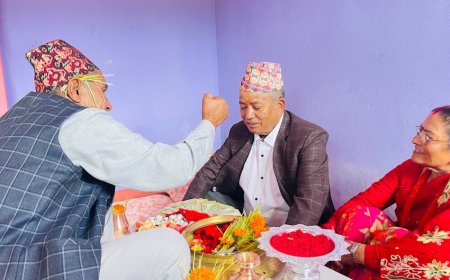
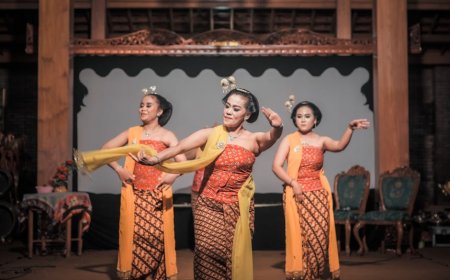
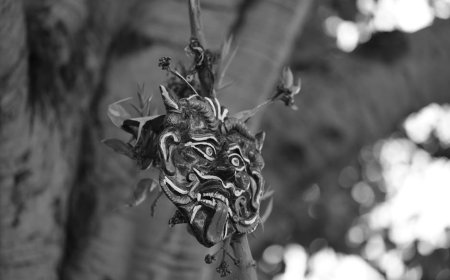
Rituals, ceremonies, and communal gatheringslike the Javanese selamatan (communal feast for safety and blessing) or the Balinese Ngaben (cremation ceremony)play crucial roles in reaffirming identity and unity. These practices are more than rituals they are acts of resilience, binding communities across islands and generations.
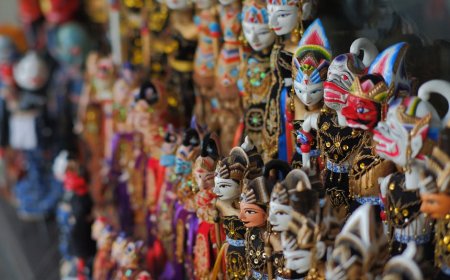
For example, the wayang kulit (shadow puppet theater) is not only a beloved art form but also a medium for social commentary.
Historically, dalangs (puppet masters) have woven contemporary issuescorruption, moral dilemmas, political satireinto their performances, inviting villagers to reflect on current events through the lens of myth and tradition. In this way, art becomes activism, and cultural heritage becomes a subtle vehicle for expressing dissent and fostering dialogue.
The Power of Community: Gotong Royong and Social Harmony
Central to Indonesian culture is the philosophy of gotong royong, or mutual cooperation.
In times of crisis, communities instinctively come togetherwhether rebuilding after natural disasters or supporting neighbors during periods of unrest. This collective ethos is visible in everything from communal rice planting to neighborhood patrols, and even in online spaces where support networks form in response to government crackdowns.
- Solidarity in Diversity: Indonesia’s motto, "Bhinneka Tunggal Ika" ("Unity in Diversity"), is not mere rhetoric. With over 300 ethnic groups and 700 languages, Indonesians are skilled in balancing difference and togetherness, a skill that surfaces powerfully during times of division.
- Adat Law: Traditional customary laws (adat) continue to inform conflict resolution and community governance, providing homegrown frameworks for justice and reconciliation.
Modern Expression: The Digital Frontier
While ancient traditions persist, Indonesia is also a nation of enthusiastic digital adopters. Social media platforms have become arenas for cultural expression and political activism.
The recent arrest and debate over an online critic highlighted the growing tension between freedom of speech and regulatory control. Yet, Indonesians have responded creativelyusing satire, memes, and coded language to skirt censorship while keeping critical conversations alive.
This digital dynamism mirrors the adaptive spirit that has long defined Indonesian society.
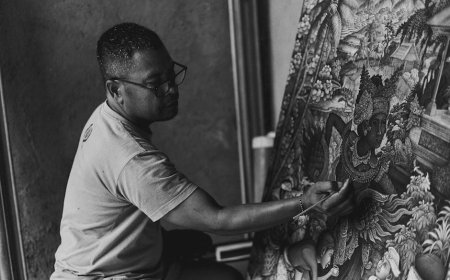
From batik patterns that blend Hindu, Islamic, and colonial influences, to pop musicians fusing gamelan with hip-hop, Indonesia’s culture is always evolvingnever losing sight of its roots, yet always reaching outward.
Lessons from Turbulence: The Enduring Spirit of Indonesia
Indonesia’s modern unrest is not simply a story of conflictit is a testament to the nation’s capacity for adaptation, dialogue, and hope.
Whether through traditional arts, communal rituals, or the new frontiers of online activism, Indonesians continue to draw strength from their cultural heritage while forging bold paths into the future. For anyone seeking to understand Indonesia, it is this blend of resilience and reinvention that lies at the heart of its societyand remains its greatest source of unity in times of uncertainty.

What's Your Reaction?
 Like
0
Like
0
 Dislike
0
Dislike
0
 Love
0
Love
0
 Funny
0
Funny
0
 Angry
0
Angry
0
 Sad
0
Sad
0
 Wow
0
Wow
0