
















Indonesia’s Natural Wonders and Dynamic Resilience Explained

Indonesia: A Tapestry of Biodiversity and Resilience
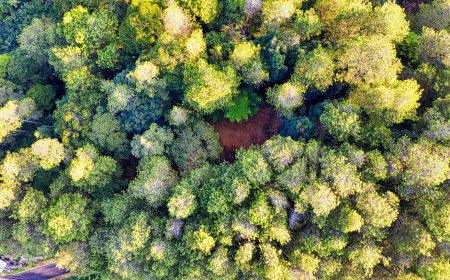
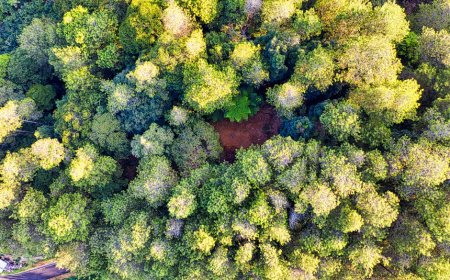
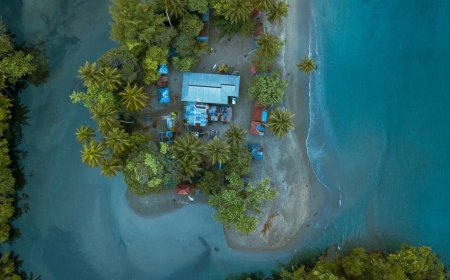
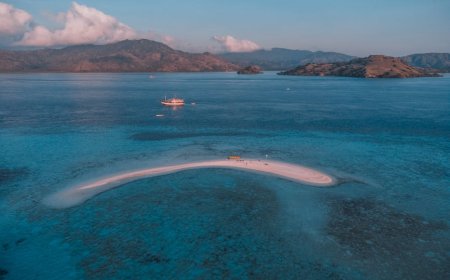
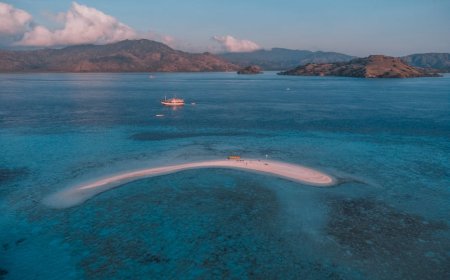
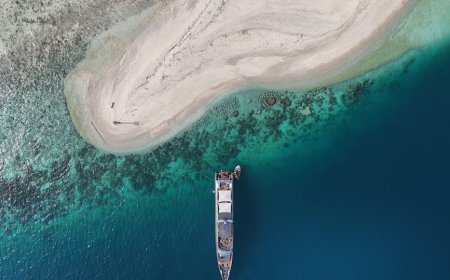
VOXBLICK.COM - Spanning more than 17,000 islands across the equator, Indonesia is the world’s largest archipelagic nation. This dynamic country is not only renowned for its vibrant cultures and ancient temples, but also for its astonishing biodiversity and pioneering conservation efforts. Indonesia’s natural wondersranging from the lush rainforests of Sumatra and Borneo to the coral-rich waters of Raja Ampathave made it a living laboratory of evolution, resilience, and adaptation in the face of environmental and societal change.
The varied geography of Indonesia, which stretches between the Asian and Australian continental plates, has fostered an exceptional blend of flora and fauna.
This biological richness places Indonesia among the planet’s 17 megadiverse countries, sheltering some of the world’s rarest and most iconic species. Yet, as the modern world brings new challengesfrom climate change to habitat fragmentationIndonesia’s innovative responses offer hope and inspiration for global conservation and sustainability.

Biodiversity: A Global Treasure Trove
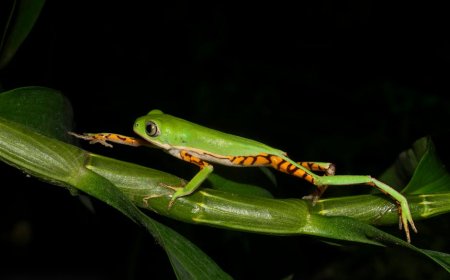
Indonesia’s ecosystems are home to more than 17% of the world’s known wildlife species. The country’s rainforests, mangroves, and coral reefs support an impressive array of life:
- Sumatran and Bornean Orangutans: Critically endangered great apes that are keystone species for forest health.
- Komodo Dragons: The world’s largest lizards, found only on a handful of islands in eastern Indonesia.
- Birds of Paradise: Endemic to Papua, these birds are famous for their dazzling plumage and complex courtship dances.
- Coral Triangle Marine Life: Indonesian reefs are part of the Coral Triangle, hosting over 3,000 fish species and 600 types of coralmaking it the “Amazon of the Seas.”
This extraordinary diversity is a result of Indonesia’s unique geological history, complex climate, and the intersection of Asian and Australasian species.
However, rapid deforestation, illegal wildlife trade, and urban expansion threaten these irreplaceable habitats.
Pioneering Conservation Efforts
Facing the loss of critical habitats, Indonesia has become a global leader in conservation innovation. National parks, such as Gunung Leuser and Lorentz, protect vast tracts of primary forest and endangered wildlife.
Indonesia’s government and NGOs are deploying advanced toolslike drone surveillance and satellite monitoringto combat illegal logging and poaching. Community-based ecotourism initiatives in places like Raja Ampat have empowered local people to protect reefs while benefiting economically from sustainable tourism.
Reforestation projects, such as those in West Kalimantan, are restoring peatlands and reducing carbon emissions. Meanwhile, bold policies, like the 2011 forest moratorium, have slowed the expansion of palm oil plantations into primary forests.
These efforts reflect a growing recognition that biodiversity is not just a national asset, but a global legacy.
Renewable Energy and a Green Future
Indonesia’s commitment to resilience is evident in its ambitious renewable energy initiatives. With abundant geothermal, solar, and hydroelectric resources, Indonesia is rapidly investing in clean energy.
The country is currently the world’s second-largest geothermal power producer, harnessing underground heat from its many volcanoes to provide sustainable electricity to millions. Solar power projects, especially in remote island communities, are bringing reliable energy and reducing dependency on fossil fuels.
Indonesia’s transition to renewables is not only about reducing carbon emissionsit’s also about building resilience to climate change.
By developing sustainable energy infrastructure and protecting carbon-rich ecosystems like mangroves and peatlands, Indonesia is helping to buffer itself, and the world, against rising sea levels and extreme weather events.
Archaeological Marvels and Human Ingenuity
Beyond its natural wonders, Indonesia is also a cradle of human history.
Archaeological discoveries, such as the ancient cave art of Sulawesi and the “Hobbit” hominids of Flores (Homo floresiensis), have reshaped our understanding of human evolution and migration. These finds underscore Indonesia’s role as a crossroads of biodiversity and humanity, where resilience and adaptation have deep roots.
Indonesia’s Enduring Inspiration
Indonesia’s story is one of dynamic resiliencea nation balancing extraordinary natural wealth with the pressures of modernization and environmental change.
Its efforts in biodiversity conservation, renewable energy, and archaeological discovery not only safeguard its own future, but also inspire the world to protect our shared planet. As environmental challenges grow ever more complex and globalized, Indonesia’s example reminds us that innovation, tradition, and stewardship can coexistand that hope for the future often flourishes where nature and humanity meet.

What's Your Reaction?
 Like
0
Like
0
 Dislike
0
Dislike
0
 Love
0
Love
0
 Funny
0
Funny
0
 Angry
0
Angry
0
 Sad
0
Sad
0
 Wow
0
Wow
0