







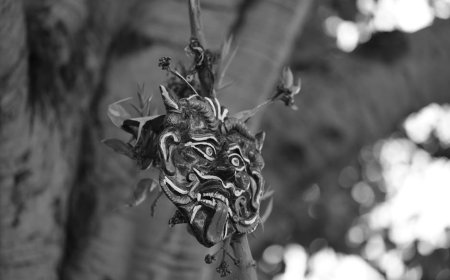









Indonesia’s Natural Wonders and Scientific Discoveries Unveiled
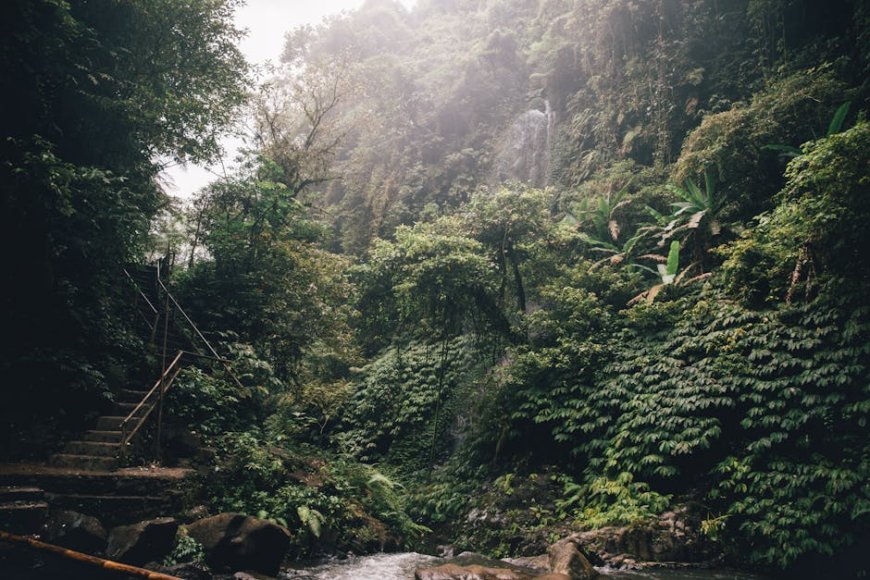
VOXBLICK.COM - Indonesia’s Natural Wonders and Scientific Discoveries Unveiled
Stretching across more than 17,000 islands, Indonesia is a living laboratory of biodiversity, geological marvels, and groundbreaking scientific research.
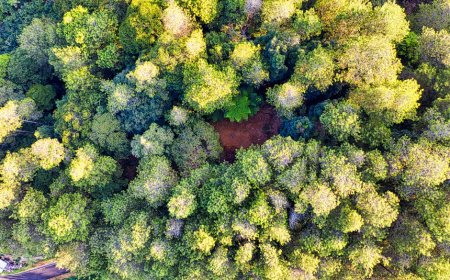
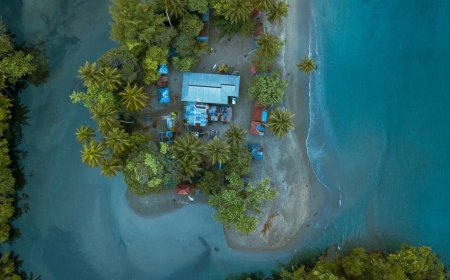
Its unique position at the crossroads of the Asian and Australian continents has fostered a remarkable tapestry of flora and fauna, making Indonesia a treasure trove for scientists, nature lovers, and explorers alike. From the dense rainforests of Sumatra and Borneo to the coral-rich waters of Raja Ampat, Indonesia’s natural wonders are not only breathtaking but also crucial to the world’s ecological balance and scientific advancement.
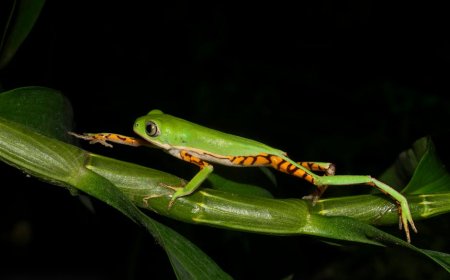
Indonesia’s archipelago is home to an estimated 10% of all known flowering plant species, 12% of mammals, 16% of reptiles and amphibians, and over 17% of the planet’s bird species.
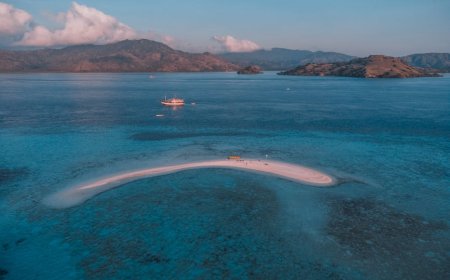
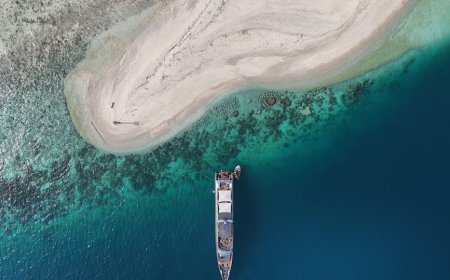
Endemic species such as the Komodo dragon, Sumatran orangutan, Javan rhinoceros, and the world’s largest flower, Rafflesia arnoldii, have captivated researchers and conservationists for decades. The country’s underwater biodiversity is equally astonishing its coral reefs harbor more than 3,000 species of fish and 600 species of coral, making it the heart of the Coral Triangle and a global hotspot for marine research.
Biodiversity and Conservation: Safeguarding a Living Legacy
The scientific community continues to be astonished by Indonesia’s biodiversity, but this abundance faces grave threats. Deforestation, habitat loss, illegal wildlife trade, and climate change endanger countless species.
In response, Indonesia has embarked on ambitious conservation initiatives:
- Leuser Ecosystem Protection: One of the last places on earth where tigers, elephants, rhinos, and orangutans coexist, the Leuser Ecosystem in Sumatra is a focus for innovative satellite monitoring and community-based patrols.
- Komodo National Park: This UNESCO World Heritage Site protects the Komodo dragon and its habitat, while also supporting scientific studies on reptilian evolution and adaptive physiology.
- Borneo Orangutan Survival Foundation: Pioneering rehabilitation and reintroduction efforts, this organization combines ecological research with community education to ensure the survival of one of humanity’s closest relatives.
These initiatives highlight a growing synergy between traditional ecological knowledge and cutting-edge science, positioning Indonesia as a leader in tropical conservation and wildlife management.
Renewable Energy: Harnessing Nature for a Sustainable Future
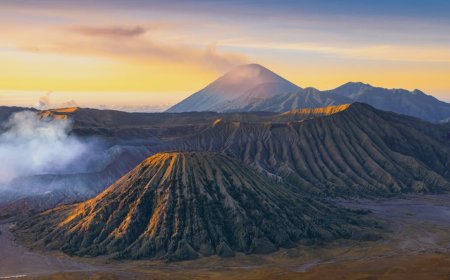
Indonesia’s geological dynamism is not only visible in its volcanic landscapes but also in its vast renewable energy potential.
With abundant geothermal resources, powerful river systems, and consistent sunshine, the nation is investing in sustainable energy solutions:
- Geothermal Energy: Indonesia ranks second in the world for geothermal potential. Plants such as the Wayang Windu Geothermal Power Station provide clean, reliable electricity while reducing carbon emissions.
- Solar and Hydropower: Rural electrification projects utilize solar panels and micro-hydro plants, bringing sustainable energy to remote communities and reducing reliance on fossil fuels.
- Bioenergy and Wind: Research institutions are developing innovative biofuels from palm oil waste and exploring wind energy along coastal regions.
These advances not only support Indonesia’s climate commitments but also inspire international collaboration in the global energy transition.
Archaeological Marvels: Unveiling the Deep Past
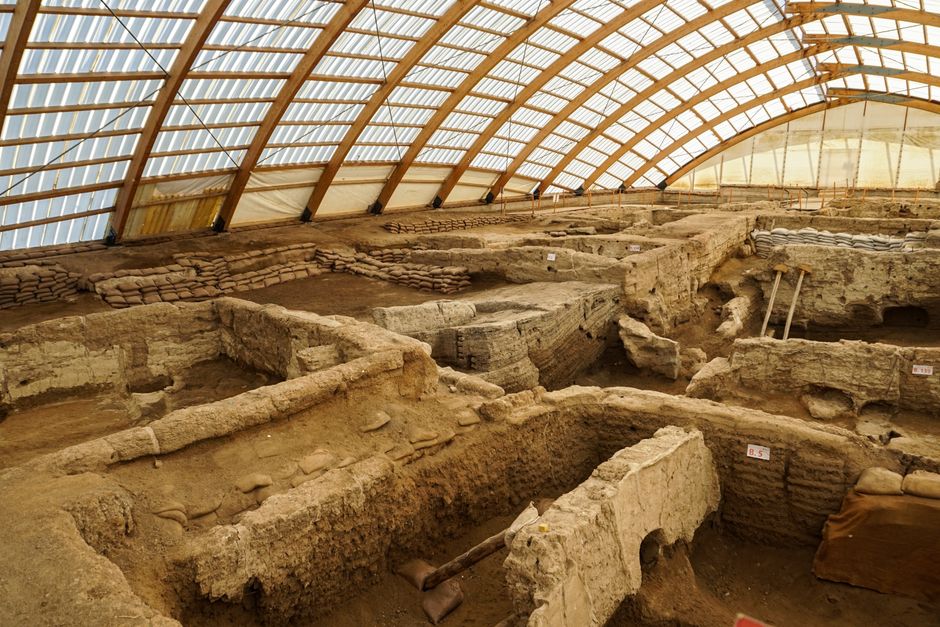
Beneath Indonesia’s surface lies a rich archaeological record that reshapes our understanding of human evolution and migration.
The discovery of Homo floresiensisthe “Hobbit” homininon Flores Island stunned the scientific world, revealing a previously unknown branch of the human family tree. Ancient cave art in Sulawesi, dated to over 45,000 years ago, is among the oldest figurative art ever found, suggesting early symbolic thought and creativity among prehistoric humans.
Ongoing excavations continue to uncover evidence of ancient maritime cultures, advanced metallurgy, and early agricultural practices, cementing Indonesia’s status as a cradle of innovation and resilience.
Indonesia’s Enduring Role in Global Science
Indonesia’s natural wonders and scientific discoveries exemplify the country’s vital role in the global quest for knowledge and sustainability.
Through the integration of biodiversity research, conservation leadership, pioneering renewable energy, and archaeological breakthroughs, Indonesia is shaping a future where science and nature thrive together. As the world looks to sustainable solutions and deeper understanding of our origins, Indonesia stands at the forefrontan enduring source of inspiration and awe.

What's Your Reaction?
 Like
0
Like
0
 Dislike
0
Dislike
0
 Love
0
Love
0
 Funny
0
Funny
0
 Angry
0
Angry
0
 Sad
0
Sad
0
 Wow
0
Wow
0