























Indonesia Rescues and Returns Smuggled Orangutans to Their Forests
Guardians of the Rainforest: Indonesia’s Pioneering Role in Orangutan Conservation
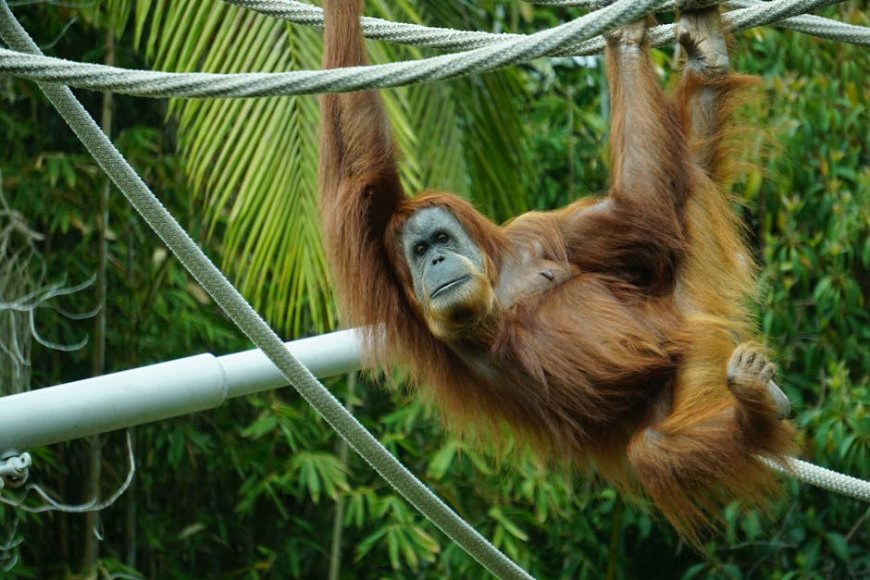
VOXBLICK.COM - Indonesia, an archipelago of more than 17,000 islands, is widely celebrated for its astonishing biodiversity. Its lush rainforests shelter countless rare and endemic species, but few capture the world’s imagination quite like the orangutan. These great apes, found only in the wild on the islands of Sumatra and Borneo, are not just icons of Indonesia’s natural heritagethey are also among the world’s most endangered species. Unfortunately, orangutans are frequently targeted by wildlife traffickers, driven by demand for illegal pets and traditional medicines. Yet, Indonesia is at the forefront of a global effort to rescue, rehabilitate, and return smuggled orangutans to their ancestral forests.
The illegal wildlife trade poses a grave threat to orangutan populations, which have already declined drastically due to habitat loss from deforestation and palm oil expansion.
According to conservation groups, hundreds of orangutans are estimated to be smuggled out of their habitats each year, often ending up in private collections or as display animals. The Indonesian government, in partnership with non-governmental organizations (NGOs), has ramped up its response to these threats, launching specialized teams to intercept traffickers and rescue captive apes.

Rescue operations often begin with dramatic raids on traffickers’ hideouts, followed by delicate medical interventions. Many rescued orangutans are malnourished, injured, or psychologically traumatized.
The next phase of their journey takes place in dedicated rehabilitation centers such as those run by the Sumatran Orangutan Conservation Programme (SOCP) and Borneo Orangutan Survival Foundation (BOSF). Here, veterinarians and caretakers provide intensive care to restore the health and wild instincts of these apes.
From Rescue to Repatriation: The Path Back to the Wild
The process of returning smuggled orangutans to their native forests is a meticulous, multi-stage operation.
Rehabilitation can last months or even years, as orangutans must relearn essential survival skills, such as foraging, nest-building, and social interaction. Conservationists emphasize a “soft release” strategygradually reintroducing apes to semi-wild enclosures before their final release deep within protected national parks.
One recent success story involved the rescue and repatriation of several orangutans intercepted at an international airport.
After months of rehabilitation, these apes were fitted with tracking collars, then released into the Gunung Leuser National Park in Sumatra, a UNESCO World Heritage site renowned for its pristine rainforest ecosystem. Post-release monitoring ensures that the orangutans adapt well to their new environment and that they are safe from poachers and further threats.
Safeguarding a Biodiversity Hotspot
Indonesia’s commitment to orangutan conservation is a testament to its broader dedication to protecting biodiversity.
The archipelago is home to around 17% of the worlds bird species, 12% of mammals, and an estimated 40,000 species of plantsmany of which are found nowhere else on earth. Orangutans, as keystone species, play a vital role in maintaining the health of these rainforests. By dispersing seeds and opening up the forest canopy, they help sustain the ecological balance of their habitats.
Collaborative efforts between government agencies, local communities, and international NGOs have led to the creation of new protected areas and increased law enforcement against wildlife crime.
Grassroots education campaigns are also empowering communities to become stewards of their forests, reducing the demand for illegal wildlife and promoting sustainable livelihoods.
A Model for Endangered Wildlife Conservation
Indonesia’s ongoing battle to rescue and return smuggled orangutans is an inspiring model of science-driven conservation.
These efforts underscore the urgent need for global cooperation, innovative rehabilitation techniques, and unwavering commitment to the protection of endangered wildlife. As Indonesia continues to lead in orangutan conservation, it stands as a beacon of hope for the future of the world’s rainforests and the diverse life they sustain.
- Key facts: Indonesia is home to the world’s only wild orangutans, found in Sumatra and Borneo.
- Rescue and repatriation programs save hundreds of trafficked orangutans each year.
- Orangutan conservation is integral to preserving Indonesia’s extraordinary biodiversity and ecological resilience.
Each successful orangutan rescue and release is not only a triumph for wildlife but also a celebration of the enduring splendor of Indonesia’s forestsreminding us of our shared responsibility to protect these irreplaceable treasures for generations
to come.

What's Your Reaction?
 Like
0
Like
0
 Dislike
0
Dislike
0
 Love
0
Love
0
 Funny
0
Funny
0
 Angry
0
Angry
0
 Sad
0
Sad
0
 Wow
0
Wow
0