




















Indonesia’s Scientific Discoveries Shaping Nature and Ancient History
Indonesia’s Scientific Discoveries Shaping Nature and Ancient History
VOXBLICK.COM - Indonesia, the world’s largest archipelago, is renowned for its sprawling rainforests, volcanic landscapes, and dazzling marine life. Yet beyond its natural splendor, Indonesia is a hotbed for scientific discoveries that have reshaped our understanding of both nature and ancient human history. From the mysterious geology of Sundaland during the Ice Age to pioneering conservation initiatives and archaeological breakthroughs, Indonesia continues to inspire awe and deepen scientific knowledge across disciplines.
Situated at the confluence of the Asian and Australian continental plates, Indonesia’s unique geography has fostered an extraordinary diversity of life.
Its forests shelter rare species, while its ancient soils preserve secrets about humanity’s distant past. Recent collaborations between Indonesian scientists and international researchers are unlocking these secrets, revealing the archipelago’s pivotal role in the evolution of both nature and early civilizations.

Ice Age Geology and the Lost World of Sundaland
One of the most groundbreaking discoveries in Indonesian science is the understanding of Sundaland, a vast prehistoric landmass that once connected the islands of Sumatra, Borneo, Java, and the Malay Peninsula.
During the Last Glacial Maximum, lower sea levels exposed these islands as one contiguous land, forming a unique ecosystem. This ancient geography provided a migration corridor for early humans and animals, a fact revealed through geological and DNA evidence.
Researchers studying sediment cores, submerged river channels, and fossil records have reconstructed the dramatic changes in sea level and climate over millennia.
These findings not only illuminate how Indonesia became a crucible of Southeast Asian biodiversity but also help explain the distribution of flora, fauna, and even linguistic groups across the region.
Biodiversity Hotspot: Flora, Fauna, and Endangered Species
Indonesia is a global biodiversity hotspot, home to more than 17,000 islands, over 500 mammal species, and some of the rarest plants on Earth.
The rainforests of Borneo and Sumatra shelter iconic species such as the orangutan, Sumatran tiger, and the critically endangered Javan rhinoceros. In the eastern islands, the fabled Komodo dragon reigns as the world’s largest lizard.
- The Wallace Line, a biogeographical boundary first identified by Alfred Russel Wallace, divides Asian and Australasian species, making Indonesia a living laboratory for evolution.
- New species are regularly discovered, such as the “Hobbit” hominin (Homo floresiensis) on Flores Island and dozens of previously unknown orchids and birds in Papua’s highlands.
- Indonesia’s coral reefs are among the most diverse globally, housing over 75% of the world’s coral species.
Conservation Efforts and Green Innovations
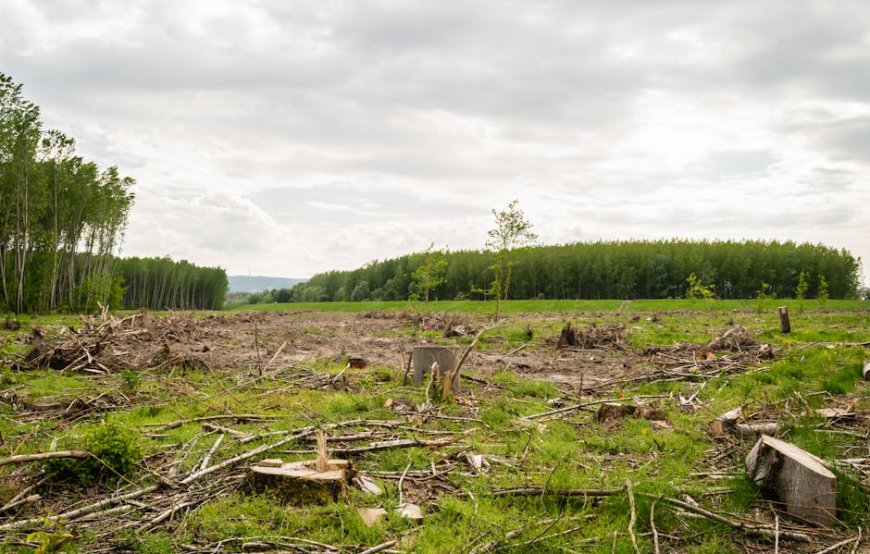
Faced with threats from deforestation and climate change, Indonesia has launched ambitious conservation initiatives.
National parks like Gunung Leuser and Lorentz protect vital habitats, while community-based projects empower local people to safeguard forests and wildlife. The government’s “One Map Policy” aims to resolve land-use conflicts and improve environmental monitoring.
Indonesia is also a leader in renewable energy research, leveraging its geothermal resources to power sustainable development.
Collaborative projects with scientists worldwide are advancing mangrove restoration, peatland rehabilitation, and innovative solutions for marine plastic pollutionefforts critical for preserving both biodiversity and climate stability.
Ancient Archaeology: Unraveling Human Origins
Archaeological discoveries in Indonesia have revolutionized our understanding of ancient humans. The limestone caves of Sulawesi and Borneo contain some of the world’s oldest known figurative art, dating back at least 45,000 years.
These hand stencils and animal paintings suggest a rich symbolic culture among early island inhabitants.
The unearthing of Homo floresiensisa diminutive human specieson Flores in 2003 stunned scientists, challenging assumptions about human evolution and migration.
Recent excavations on Sulawesi have uncovered tools and fossils indicating that hominins reached the region far earlier than once believed. Together, these finds position Indonesia at the forefront of paleoanthropology.
Research Collaborations and a Future of Discovery
Indonesia’s scientific renaissance is driven by partnerships between local universities, research institutes, and global organizations. Together, they are mapping biodiversity, studying volcanic activity, and preserving cultural heritage.
As technology and knowledge advance, the archipelago’s landscapes and ancient secrets promise to yield even more discoveriesenriching our understanding of nature, human origins, and the interconnected web of life on Earth.

What's Your Reaction?
 Like
0
Like
0
 Dislike
0
Dislike
0
 Love
0
Love
0
 Funny
0
Funny
0
 Angry
0
Angry
0
 Sad
0
Sad
0
 Wow
0
Wow
0