









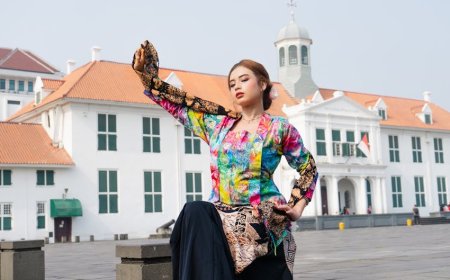





Understanding Indonesia's Shift Toward Defense Diplomacy
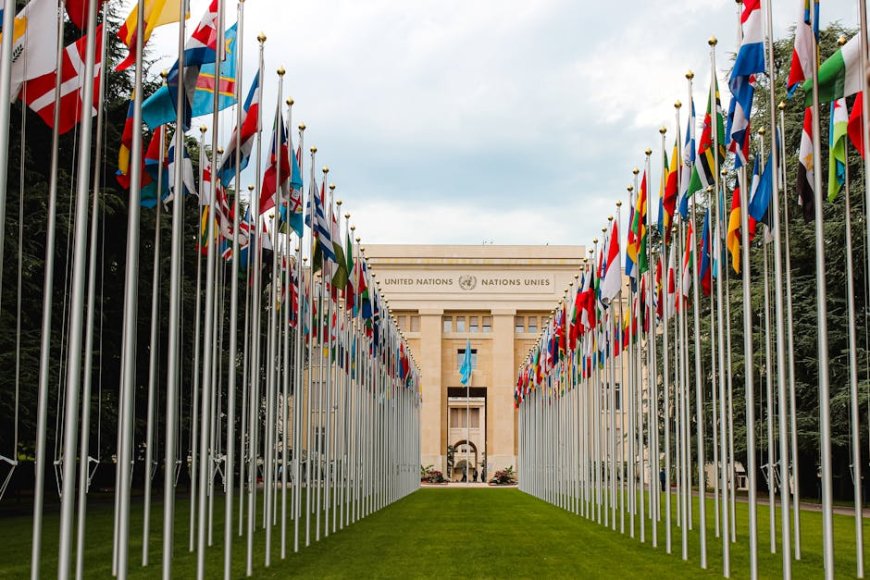
Indonesia’s Defense Diplomacy: A Tale Rooted in History and Culture
VOXBLICK.COM - For centuries, Indonesia’s foreign policy has been guided by a unique blend of pragmatism and deep-rooted cultural wisdom. As the world’s largest archipelagic nation, Indonesia’s strategic location and mosaic of cultures have shaped its worldview. Today, as global dynamics shift and security challenges evolve, Indonesia’s approach to defense diplomacy stands as a reflection of its historical journey and collective values.
Defense diplomacy in Indonesia is not merely about military might or strategic alliances. Instead, it is a nuanced practice that weaves together tradition, diplomacy, and national interest.
The Indonesian concept of “Pertahanan dan Diplomasi Tidak Terpisahkan”meaning “defense and diplomacy are inseparable”is more than a policy slogan. It is a principle deeply enmeshed in the nation’s psyche, shaped by centuries of negotiation, resistance, and adaptation.

Cultural Foundations: Harmony Above All
At the core of Indonesian society lies the value of musyawarah (deliberation) and mufakat (consensus). These principles are not confined to village meetings or family gatheringsthey permeate national policy.
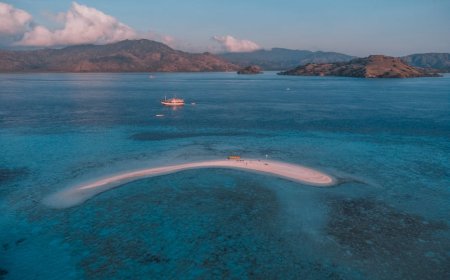
Indonesia, with its 17,000 islands and over 300 ethnic groups, has long recognized that harmony and dialogue are essential for survival and progress. This cultural DNA informs the country’s defense diplomacy, favoring peaceful engagement over confrontation.
The concept of Gotong Royongcommunity cooperationfurther reinforces Indonesia’s preference for collaborative security arrangements. Rather than acting unilaterally, Indonesia seeks to build partnerships and foster regional stability.
This is evident in its active role in ASEAN and its commitment to the principle of “ASEAN centrality” in regional security matters.
Historical Context: From Struggle to Sovereignty
Indonesia’s modern approach to defense diplomacy cannot be separated from its tumultuous history. Having endured centuries of colonial rule, Indonesians have a nuanced understanding of power, resistance, and negotiation.
The national motto, Bhinneka Tunggal Ika (“Unity in Diversity”), was born from the necessity of forging unity among diverse peoples under colonial oppression.
After independence in 1945, Indonesia faced internal rebellions, external threats, and Cold War pressures. The nation’s leaders, such as Sukarno and Hatta, understood that military strength alone was insufficient.
Defense had to be balanced with diplomacy, leveraging Indonesia’s unique position as a bridge between East and West, North and South. The Bandung Conference of 1955, where Indonesia gathered leaders from Asia and Africa to promote non-alignment and peaceful coexistence, remains a proud touchstone in this tradition.
Modern Shifts: Embracing Defense Diplomacy in a Changing World
In the 21st century, Indonesia’s defense diplomacy has evolved to address new threatsterrorism, cyber warfare, maritime disputeswhile preserving its commitment to dialogue.
Recent decades have seen Indonesia participate in UN peacekeeping missions, host regional defense dialogues, and pursue joint military exercises with both traditional and new partners. These activities are not just demonstrations of military capability they are deliberate efforts to build trust, reduce tensions, and reinforce Indonesia’s image as a responsible global actor.
Why this shift? As a rapidly growing economy and democracy, Indonesia seeks to safeguard its interests without alienating neighbors or becoming entangled in great power rivalries.
The country’s defense white papers consistently stress “active defense” and “total people’s defense”concepts that merge military preparedness with diplomatic outreach and whole-of-society resilience.
The “Why” Behind Indonesia’s Approach
- Cultural Heritage: Deep-seated traditions of consensus and communal harmony steer Indonesia toward peaceful solutions, even in defense matters.
- Historical Lessons: Hard-won independence taught Indonesia the limits of force and the power of negotiation.
- Geopolitical Realities: As a maritime crossroads, Indonesia must manage diverse relationships while avoiding entanglement in major power conflicts.
- Regional Leadership: Through defense diplomacy, Indonesia positions itself as a stabilizing force in Southeast Asia and beyond.
Looking Ahead: Defense Diplomacy as Cultural Continuity
Indonesia’s evolving defense diplomacy is not merely a response to contemporary threats it is an expression of the nation’s enduring values.
By fusing the wisdom of musyawarah, the strength of gotong royong, and the lessons of history, Indonesia demonstrates that security and diplomacy are not opposing forces, but complementary strands in the fabric of national resilience. For outsiders seeking to understand Indonesia’s policy, it is essential to recognize that every diplomatic overture and every defense initiative is steeped in cultural meaninga testament to a people who have long known that peace is both a choice and a strength.

What's Your Reaction?
 Like
0
Like
0
 Dislike
0
Dislike
0
 Love
0
Love
0
 Funny
0
Funny
0
 Angry
0
Angry
0
 Sad
0
Sad
0
 Wow
0
Wow
0