




















Indonesia’s Trade and Manufacturing: Trends and Investment Insights
VOXBLICK.COM - Summary: Explore Indonesias dynamic trade and manufacturing landscape, including export and import trends, investment opportunities, and regional economic impacts. Essential insights for investors and business leaders.
Indonesia’s Manufacturing Landscape: Growth and Diversification
Indonesia, Southeast Asia’s largest economy, has emerged as a significant player in the global trade and manufacturing arena.
The nation’s manufacturing sector, which contributes approximately 20% to its GDP, has shown robust growth over the past decade. Driven by a young workforce, abundant natural resources, and strategic government reforms, Indonesia is steadily transitioning from a commodity-based economy to a diversified manufacturing hub.
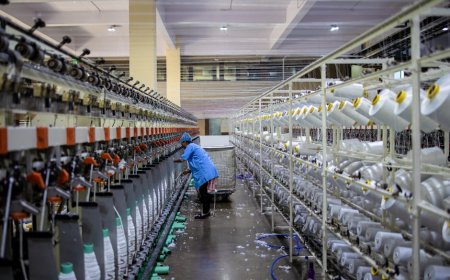
Key manufacturing industries include automotive, textiles, electronics, footwear, and food processing.
The government’s “Making Indonesia 4.0” initiative aims to accelerate digital transformation and enhance competitiveness, particularly in sectors such as automotive, chemicals, electronics, and food and beverages. This modernization strategy is positioning Indonesia as a preferred destination for regional and global investors.

Export and Import Trends: Key Markets and Commodities
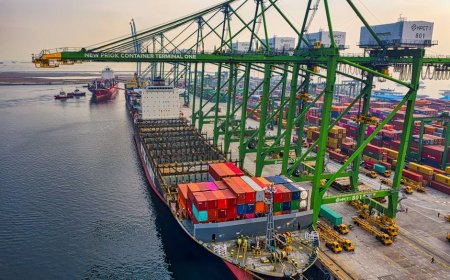
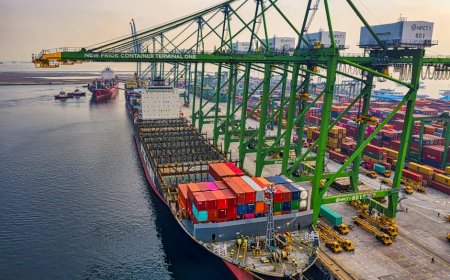
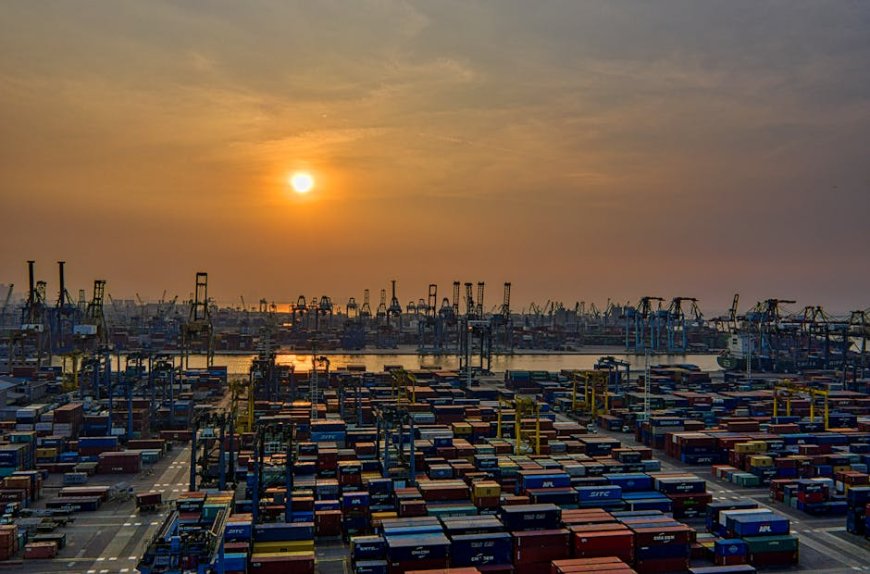
Indonesia’s trade performance continues to be a central driver of its economic momentum. In 2023, the country recorded over $291 billion in exports, with major commodities including palm oil, coal, petroleum gas, electrical machinery, and rubber.
China, the United States, and Japan remain Indonesia’s top export destinations, reflecting strong demand for both raw materials and value-added products.
On the import side, Indonesia primarily sources machinery, chemicals, fuels, and iron and steel, supporting its thriving manufacturing sector.
The government’s focus on industrial downstreamingprocessing raw materials domestically before exporthas begun to shift the countrys trade balance towards higher-value exports, particularly in nickel-based products and electric vehicle (EV) battery components.
Investment Opportunities and Government Initiatives
Indonesia’s improving investment climate is attracting multinational corporations and regional investors.
The implementation of the Omnibus Law on Job Creation has streamlined business licensing and labor regulations, reducing red tape and fostering a more business-friendly environment. Additionally, the establishment of special economic zones (SEZs) across Java, Sumatra, and Sulawesi offers investors tax incentives, infrastructure support, and access to skilled labor.
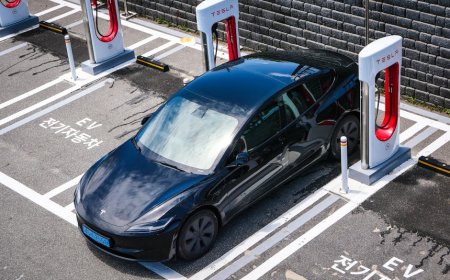
- EV and Battery Manufacturing: Indonesia is leveraging its world-leading nickel reserves to become a regional hub for electric vehicle and battery production. Major global players, including Tesla and LG Energy Solution, have shown considerable interest in local partnerships and joint ventures.
- Textiles and Apparel: With competitive labor costs and a strong export orientation, Indonesia’s textile sector continues to attract foreign direct investment, particularly from East Asian economies.
- Food Processing and Agribusiness: The country’s vast agricultural resources and rising consumer market offer significant opportunities for value-added food processing ventures.
Regional Economic Impact and Infrastructure Development
Indonesia’s trade and manufacturing growth is generating positive spillover effects across the ASEAN region. The country’s strategic location along major global shipping routes enhances its appeal as a regional logistics and distribution center.
Infrastructure investments, such as the Trans-Java Toll Road, new ports, and digital connectivity projects, are further integrating Indonesia into global supply chains.
These developments are creating new economic hubs outside of Jakarta, including in West Java, Central Java, and East Kalimantan, the latter also poised to become Indonesia’s new capital city.
As a result, investors can benefit from diversified regional opportunities and improved access to domestic and international markets.
Challenges and Outlook for Investors
Despite promising trends, investors should remain aware of certain challenges, such as bureaucratic inertia, regulatory uncertainty, and infrastructure bottlenecks in remote regions.
Environmental and social governance (ESG) standards are also becoming increasingly important, with global buyers and investors scrutinizing supply chains for sustainability and ethical practices.
Overall, Indonesia’s trade and manufacturing sectors present compelling opportunities for international investors and business leaders.
With ongoing reforms, a large domestic market, and strategic connectivity, the country is well positioned for continued growth and deeper integration into the global economy.

What's Your Reaction?
 Like
0
Like
0
 Dislike
0
Dislike
0
 Love
0
Love
0
 Funny
0
Funny
0
 Angry
0
Angry
0
 Sad
0
Sad
0
 Wow
0
Wow
0