
























Indonesia’s Trade Surplus Misses Forecast as Inflation Accelerates
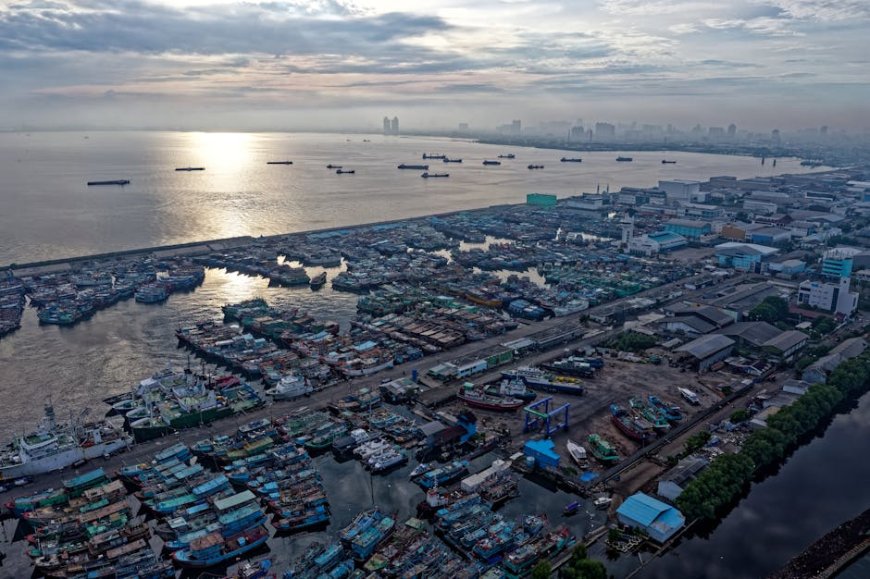
VOXBLICK.COM - Indonesia’s November trade surplus expanded, but the figure fell short of market expectations, as accelerating inflation added a note of caution to the region’s otherwise resilient economic outlook. The interplay of these economic indicators is poised to influence investor sentiment, business planning, and the broader Southeast Asian market dynamics.
Trade Surplus Growth: Robust but Below Forecast
According to the latest data released by Indonesia’s Central Statistics Agency (BPS), the country posted a trade surplus of $3.5 billion in November 2023, marking a continuation of its positive trade balance streak.
However, this figure missed analysts’ forecasts, which had anticipated a surplus closer to $4 billion. The shortfall was primarily attributed to a softer performance in key export sectors such as palm oil and coal, which faced subdued demand and price volatility in international markets.
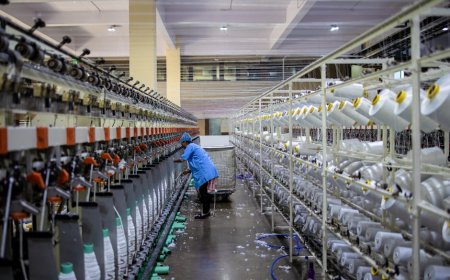
On the import side, a moderate uptick was observed, driven by increased capital goods and raw material importssuggesting that domestic manufacturing activity remains robust.
However, the mismatch between export earnings and import expenditures hints at potential vulnerabilities, especially if global commodity prices continue to fluctuate or if geopolitical tensions impact supply chains.

Inflationary Pressures Intensify
In tandem with the trade data, Indonesia reported a sharper-than-expected rise in inflation. The annual inflation rate accelerated to 3.1% in November, surpassing the central bank’s target range.
Core inflationstripped of volatile food and energy pricesalso edged higher, reflecting underlying cost pressures in the economy.
This inflationary uptick was largely driven by higher food prices, rising transportation costs, and increased demand ahead of the year-end holiday season.
The Bank Indonesia (BI) faces a delicate balancing act: maintaining price stability while supporting economic growth and currency stability in a challenging global environment.
Implications for Business and Investment
These shifts in Indonesia’s economic indicators have significant implications for businesses, investors, and policymakers:
- Manufacturing and Exporters: The narrower-than-expected trade surplus underscores the need for diversification beyond traditional commodities. Sectors such as electronics, automotive, and textiles have opportunities to gain ground, especially as Indonesia strengthens its participation in global value chains.
- Retail and Consumer Goods: Rising inflation may dampen consumer spending power, affecting retail and fast-moving consumer goods (FMCG) sectors. Firms may need to adjust pricing strategies and supply chain management to navigate cost pressures.
- Startups and Tech: The inflationary environment may prompt local startups to focus on operational efficiency and digital solutions that offer cost advantages. Sectors like fintech, logistics, and e-commerce remain attractive, particularly as digital adoption accelerates.
- Foreign Investors: While Indonesia’s macroeconomic fundamentals remain sound, the combination of missed trade forecasts and rising inflation could lead to short-term currency volatility and cautious sentiment. However, the government’s commitment to infrastructure development and regulatory reforms continues to provide a supportive backdrop for long-term investment.
Regional Market Dynamics
Indonesia’s economic performance reverberates throughout the ASEAN region.
As Southeast Asia’s largest economy, its trade and inflation trends offer signals to neighboring markets regarding supply chain resilience, currency stability, and investment flows. A persistent trade surplus supports the rupiah and regional currencies, while inflation risks require coordinated policy responses to prevent capital outflows.
Furthermore, Indonesia’s ongoing efforts to move up the manufacturing value chain and attract high-value investmentssuch as electric vehicle (EV) production and green energy initiativesare likely to have positive spillover effects across the region.
These efforts align with global trends towards diversification, sustainability, and digital transformation.
Outlook: Resilience Amid Risks
While Indonesia’s November trade surplus missed forecasts and inflation is on the rise, the overall economic outlook remains resilient.
Policymakers and business leaders are closely monitoring these trends, with a focus on reinforcing economic fundamentals, diversifying export markets, and leveraging digital innovation. For investors, Indonesia remains a dynamic market with both near-term risks and significant long-term opportunities in Southeast Asia’s evolving economic landscape.

What's Your Reaction?
 Like
0
Like
0
 Dislike
0
Dislike
0
 Love
0
Love
0
 Funny
0
Funny
0
 Angry
0
Angry
0
 Sad
0
Sad
0
 Wow
0
Wow
0