














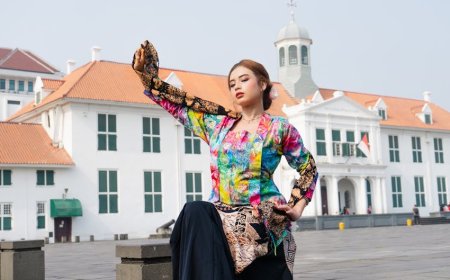





Understanding Indonesia Through Its Traditions and Culinary Heritage
VOXBLICK.COM - Indonesia, an enchanting archipelago of over 17,000 islands, sits at the crossroads of Asia and Oceania. Beyond its breathtaking landscapes and vibrant cities, Indonesia is a tapestry woven from centuries of tradition, ritual, and culinary artistry. Its culture is as diverse as its geography, shaped by indigenous customs, influences from Hinduism, Buddhism, Islam, and touches of colonial history. To truly understand Indonesia, one must look beneath the surfaceexploring the meanings behind its age-old traditions and the stories simmering in its kitchens.
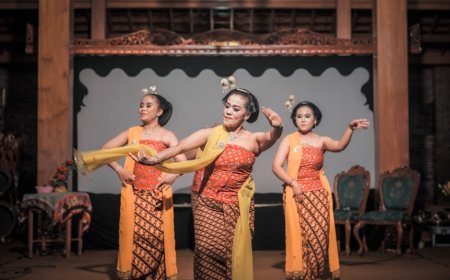
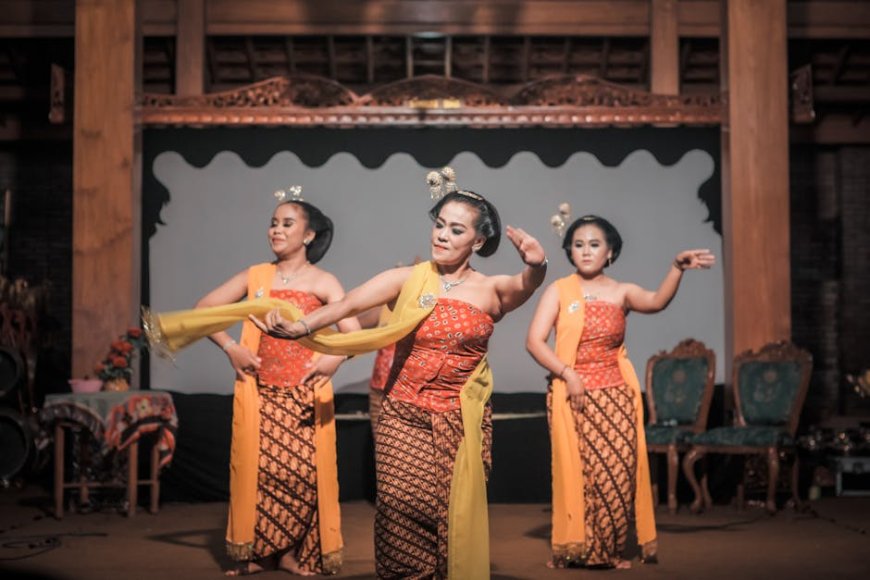
At the heart of Indonesian society lies a deep reverence for tradition. From the rhythmic gamelan orchestras of Java to the intricate weaving of the Sumba people, every island and ethnic group preserves its unique heritage.
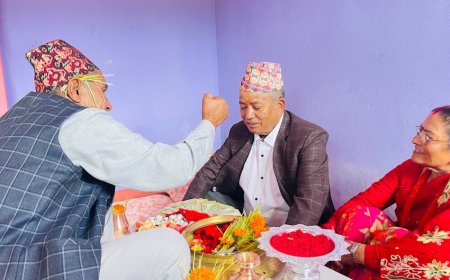
These traditions are not merely performances for touriststhey are the living pulse of community, marking life’s milestones and binding generations together. Rituals, ceremonies, and culinary customs are ways Indonesians express gratitude, respect ancestors, and maintain harmony with nature and the divine.

The Living Spirit of Indonesian Traditions
Indonesian rituals are as varied as its people. Take, for example, the Balinese Ngaben, a vibrant cremation ceremony that celebrates the transition of the soul to the afterlife.
For the Balinese, death is not an end but a sacred journey, and Ngaben is performed with music, dance, and elaborate offerings. In Toraja, South Sulawesi, funerals can last for days, featuring buffalo sacrifices and communal feasts, reflecting a belief that honoring the dead ensures blessings for the living.
Rituals often revolve around the agricultural calendar. The Javanese observe the slametan, a communal meal that marks important eventsfrom harvests to marriagessymbolizing harmony and gratitude.
Offerings of rice, fruit, and flowers are presented to spirits and ancestors, a practice rooted in animistic beliefs that predate the arrival of major world religions.
Indonesia’s Artistic Identity
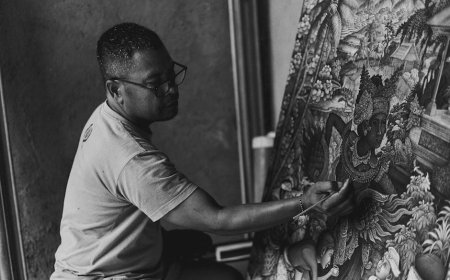
Indonesia’s arts are a testament to its creative spirit. Batik, the art of wax-resist dyeing, is a UNESCO-recognized cultural heritage.
Its motifsranging from the geometric patterns of Yogyakarta to the coastal floral designs of Pekalonganoften carry hidden meanings, such as fertility, protection, or prosperity. Wayang kulit, the shadow puppet theatre, tells age-old stories from the Ramayana and Mahabharata, serving both as entertainment and moral education.
- Gamelan: Traditional ensemble music of Java and Bali, featuring percussive instruments. Gamelan performances are often integral to temple festivals and ceremonies.
- Keris: A wavy-bladed dagger imbued with spiritual significance, symbolizing power and protection. Each keris is handcrafted and often passed down as a family heirloom.
- Tenun & Ikat: Handwoven textiles from regions like Flores and Sumba, used in rituals and as traditional attire. Patterns and colors signify status and local identity.
The Heart of Indonesia: Culinary Heritage
If tradition is Indonesia’s soul, food is its beating heart. Indonesian cuisine is a kaleidoscope of flavorsspicy, sweet, savory, and aromaticreflecting the country’s history of spice trade and cultural exchanges.
Every region boasts signature dishes with unique ingredients and preparation methods.
One of the most iconic is Rendang, a slow-cooked beef dish from West Sumatra. Steeped in coconut milk and a medley of spices, rendang is traditionally served at ceremonial gatherings.
Its long cooking time symbolizes patience, and its rich flavor represents the depth of Minangkabau hospitality. Another staple, Nasi Goreng (fried rice), is Indonesia’s beloved comfort food, often enjoyed with a fried egg and sweet soy sauce, reflecting the country’s adaptability and resourcefulness.
Food is also deeply entwined with rituals. During Ramadan, Muslims break their fast with kolaka sweet dessert of bananas and coconut milk.
In Bali, lawar (a spicy salad with vegetables, coconut, and minced meat) is prepared communally for temple festivals, reinforcing social bonds.
Why Traditions and Food Matter in Indonesia
For Indonesians, traditions and culinary practices are more than customsthey are expressions of identity, unity, and reverence.
Sharing a meal, participating in a ceremony, or wearing traditional attire are acts of connection that transcend time and distance. For visitors seeking to understand Indonesia, immersing oneself in these rituals and flavors offers a window into the nation’s heart: a place where the past and present blend harmoniously, and every gesture has a story to tell.

What's Your Reaction?
 Like
0
Like
0
 Dislike
0
Dislike
0
 Love
0
Love
0
 Funny
0
Funny
0
 Angry
0
Angry
0
 Sad
0
Sad
0
 Wow
0
Wow
0