























Indonesia and US Finalize Reciprocal Trade Deal Agreement

Indonesia and US Finalize Reciprocal Trade Deal Agreement
VOXBLICK.COM - The governments of Indonesia and the United States have officially concluded negotiations on a reciprocal trade deal that marks a pivotal moment for bilateral economic relations. This agreement, which comes after several rounds of high-level discussions, is poised to enhance mutual market access, encourage foreign direct investment (FDI), and stimulate growth across Indonesia’s manufacturing and business sectors. The accord is expected to pave the way for a more robust and diversified trade partnership, signaling Indonesia’s commitment to deepening its integration with global markets, particularly with the world’s largest economy.
Indonesia, Southeast Asia’s largest economy, has steadily positioned itself as a strategic manufacturing and investment hub.
In recent years, the government has rolled out pro-business reforms, improved infrastructure, and championed regulatory clarity to attract investors. The newly finalized trade deal with the US is anticipated to amplify these trends, offering both countries a broader platform to expand economic activities and leverage each other’s strengths in key sectors such as electronics, automotive, textiles, and renewable energy.

Key Provisions and Market Impact
The reciprocal trade agreement includes the reduction of tariffs on a wide array of goods, streamlined customs procedures, and improved protection for intellectual property rights. For Indonesia, these provisions are particularly significant.
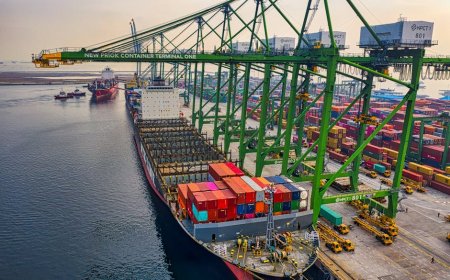
The US is already one of Indonesia’s top export destinations, with bilateral trade valued at over $39 billion in 2023, according to Indonesia’s Ministry of Trade. By lowering trade barriers, Indonesian exportersespecially in manufacturing, textiles, and agribusinesswill gain more competitive access to the US market.
Meanwhile, US companies stand to benefit from easier entry into Indonesia’s fast-growing consumer market and a more predictable investment climate.
The agreement also opens avenues for collaboration in technology, digital economy, and sustainable energy, aligning with Indonesia’s ambition to transform into an industrialized, high-tech economy by 2045.
Boosting Indonesia’s Manufacturing and Investment Climate
Indonesia’s manufacturing sector has been a central pillar of its economy, contributing nearly 20% to GDP and employing millions.
The trade deal is expected to further incentivize global manufacturers to set up operations in Indonesia, leveraging its skilled workforce, competitive production costs, and strategic location in the Indo-Pacific. According to the Indonesian Investment Coordinating Board (BKPM), FDI inflows reached $45.6 billion in 2023, with manufacturing accounting for a substantial share.
Enhanced trade and investment flows from the US could accelerate Indonesia’s industrial diversification, particularly in high-value segments such as electronics, automotive components, and green technologies.
Startups and SMEs are also likely to benefit from better market access, knowledge exchange, and technology transfer, fueling innovation across the business ecosystem.
Economic Trends and Regional Implications
The Indonesia-US trade deal arrives at a time when global supply chains are undergoing significant realignment.
Multinational corporations are seeking alternatives to traditional manufacturing hubs, and Indonesia’s rising profile as a stable, reform-oriented economy is attracting attention. The agreement positions Indonesia as a key node in regional supply chains, potentially drawing investments that might have otherwise flowed to other Asian economies.
For ASEAN as a whole, strengthened US-Indonesia ties could act as a catalyst for broader economic cooperation.
Regional trade and investment could receive a boost, especially as Indonesia assumes a leadership role in shaping Southeast Asia’s economic future. The deal is also expected to foster best practices in governance, regulatory standards, and environmental sustainability, aligning with global investor expectations.
Opportunities and Outlook for Global Investors
For international investors, the Indonesia-US reciprocal trade agreement offers several compelling opportunities:
- Market Expansion: Indonesian firms can tap into the vast US consumer base, while American companies gain preferential access to Southeast Asia’s largest economy.
- Investment Incentives: The deal’s provisions on investment protection and dispute resolution enhance investor confidence and reduce risk.
- Supply Chain Optimization: Companies can diversify and strengthen their manufacturing networks by leveraging Indonesia’s growing capabilities and strategic location.
- Innovation and Technology: Cross-border collaboration in digital economy, renewable energy, and high-tech manufacturing will foster innovation and create new business models.
As Indonesia continues its trajectory toward becoming a major global manufacturing and investment destination, the reciprocal trade agreement with the United States sets a strong foundation for sustainable growth.
Both countries stand to benefit from increased trade, deeper economic integration, and shared prosperity, ensuring that Indonesia remains at the forefront of Southeast Asia’s dynamic business landscape.

What's Your Reaction?
 Like
0
Like
0
 Dislike
0
Dislike
0
 Love
0
Love
0
 Funny
0
Funny
0
 Angry
0
Angry
0
 Sad
0
Sad
0
 Wow
0
Wow
0