












How Indonesian Local Wisdom Fosters Tolerance and Unity
The Heart of Indonesia: Diversity as a Foundation
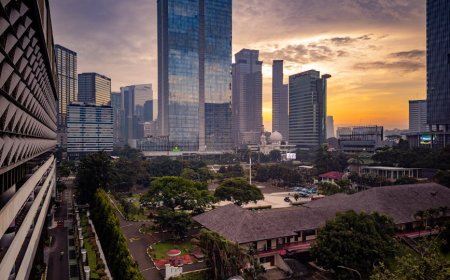
VOXBLICK.COM - Indonesia, a vast archipelago of over 17,000 islands, is home to more than 300 ethnic groups and 700 languages. This immense diversity could easily be a source of division. Yet, Indonesia flourishes as a nation famed for its unity and social harmony. The secret lies in its deep-rooted local wisdomtraditional values, philosophies, and customs passed down through generationswhich serve as the glue binding this multicultural society together.
At the core of Indonesian identity is the national motto, Bhinneka Tunggal Ika, meaning "Unity in Diversity." This phrase is not just a slogan but a living principle manifest in daily interactions, community life, and even state policy.
Through rituals, communal decision-making, and age-old traditions, Indonesians have developed a unique approach to maintaining peace and nurturing tolerance among their many peoples.

Gotong Royong: The Spirit of Mutual Cooperation
One of the most powerful expressions of Indonesian local wisdom is gotong royong, which translates as "mutual cooperation.
" This communal value encourages villagers and urban dwellers alike to work together for the common good, whether building a house, cleaning the neighborhood, or organizing festivals. Gotong royong is more than just teamwork it embodies respect for diversity, inclusivity, and the belief that every person, regardless of background, plays an essential role in society.
Through gotong royong activities, barriers between religions, ethnicities, and social classes are softened. People learn to listen, compromise, and celebrate differences.
For many foreigners, joining such communal work becomes a window into how Indonesia transforms diversity into strength, and why social conflicts are often resolved through dialogue and consensus, rather than confrontation.
Harmony Through Ritual and Ceremony
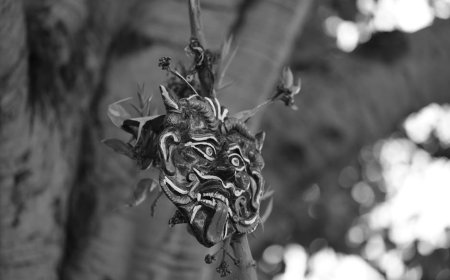
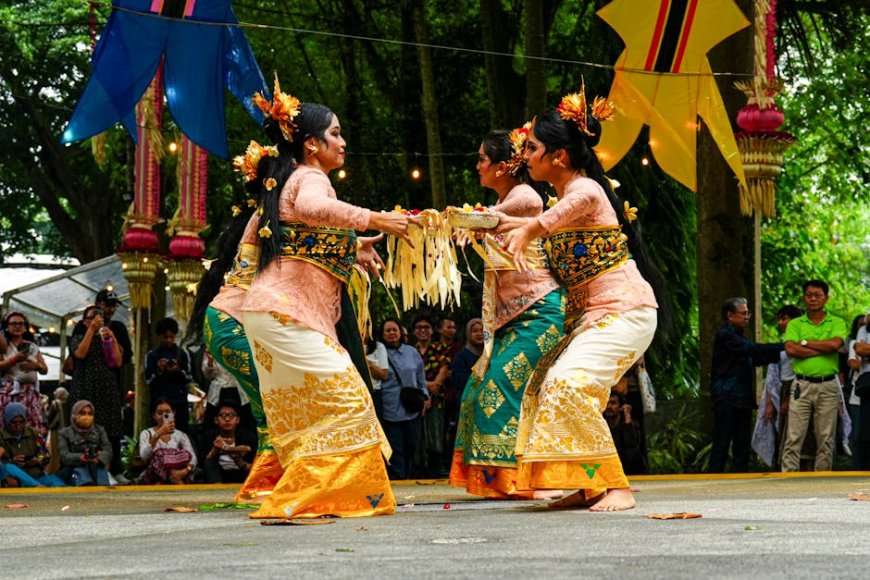
Rituals in Indonesia are not only spiritual actsthey are vital threads weaving communities together. Each ethnic group, from the Balinese Hindus to the Torajan Christians and Javanese Muslims, has its own unique ceremonies.
Yet, these rituals often share common goals: expressing gratitude, seeking blessings, and reinforcing bonds within the community.
- Selamatan: A Javanese communal feast symbolizing togetherness and gratitude, where neighbors of any faith are invited to share food and pray for harmony.
- Ngaben: The Balinese Hindu cremation ceremony, which involves the whole village, teaching respect for the cycle of life and the importance of collective support.
- Ma’Nene: Among the Toraja people of Sulawesi, this ancestral ritualwhere families clean and redress the mummified bodies of their loved onesreminds all generations of the enduring ties that connect the living and the dead, and the responsibility to care for one another.
These traditions are open, often inviting participation across religious or ethnic boundaries, fostering empathy and understanding among neighbors.
The act of joining a selamatan or respectfully observing a Ma’Nene ceremony teaches foreigners and locals alike the deep-rooted Indonesian value of accepting and celebrating difference.
Pancasila: The Philosophy Guiding Unity
Indonesia’s foundational ideology, Pancasila, is another pillar of tolerance.
Consisting of five principlesbelief in one God, a just and civilized humanity, national unity, democracy guided by wisdom, and social justiceit is taught from childhood and underpins every aspect of public life. Pancasila encourages citizens to honor their own faith and heritage while respecting those of others, providing a moral compass for navigating Indonesia’s complex social landscape.
Through the practice of Pancasila, Indonesians are taught to value dialogue over division, and consensus over conflict.
It’s common for religious celebrations such as Idul Fitri, Christmas, and Nyepi to be marked with mutual visits and well-wishes, reflecting the spirit of Pancasila in daily life.
Local Wisdom in Modern Indonesia
In the face of modern challenges like urbanization and digital transformation, Indonesia’s local wisdom remains remarkably resilient.
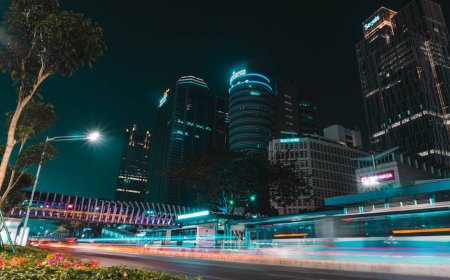
Youth movements, educational programs, and government initiatives work together to preserve traditional values, encouraging new generations to adapt these principles to contemporary life. Whether in Jakarta’s bustling neighborhoods or remote villages in Papua, the essence of gotong royong, respect, and inclusivity continues to inspire unity.
Indonesian local wisdom offers a powerful lesson to the world: diversity, when nurtured by mutual respect and shared values, is not a source of conflict, but a wellspring of harmony and strength.
For travelers and expatriates, understanding these cultural roots is the key to appreciating the soul of Indonesia, where unity is not just an ideal, but a lived reality.

What's Your Reaction?
 Like
0
Like
0
 Dislike
0
Dislike
0
 Love
0
Love
0
 Funny
0
Funny
0
 Angry
0
Angry
0
 Sad
0
Sad
0
 Wow
0
Wow
0