







How Indonesians Built Hope for Refugee Children Through Education
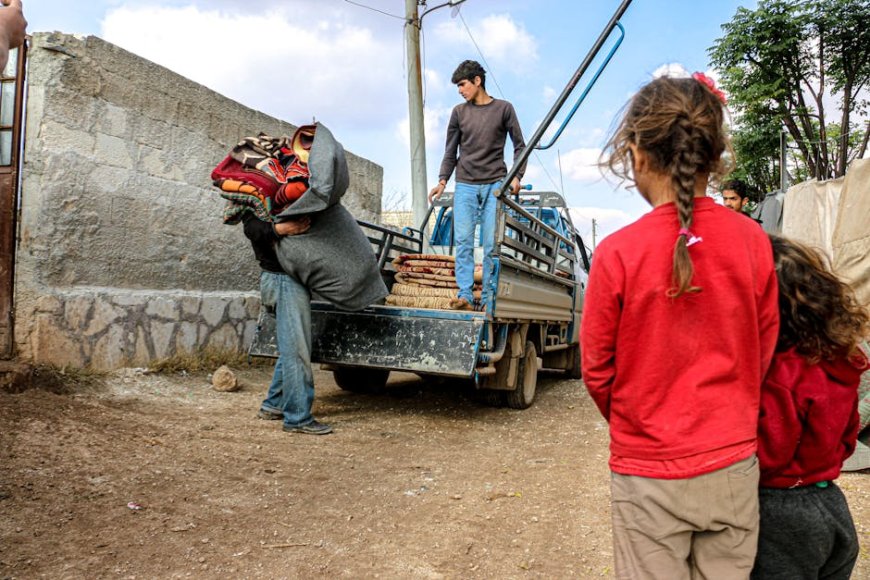
Reaching Out: Indonesia’s Grassroots Response to Refugee Children
VOXBLICK.COM - Indonesia, a nation celebrated for its vibrant tapestry of cultures and communal values, has long served as a crossroads in Southeast Asia. While not a signatory to the 1951 Refugee Convention, Indonesia has become a temporary home for thousands of refugees, many of them children fleeing conflict from Afghanistan, Somalia, Myanmar, and beyond. These children, often caught in limbo with limited access to formal education, face daunting barriers to building a meaningful future. Yet, in the heart of Indonesia’s villages and cities, local communities are responding with extraordinary compassionpreserving their own cultural values by creating grassroots classrooms that offer hope, dignity, and understanding to refugee children.
The Indonesian concept of gotong royongmutual cooperationhas shaped these efforts.
Volunteers, religious groups, and local NGOs have stepped in where formal systems fall short, offering informal education, language lessons, and creative spaces for children to heal and grow. These initiatives are more than charitable acts they are living expressions of Indonesia’s age-old traditions, where collective action is a pillar of society and where the boundaries of community are always expanding.
Preserving Cultural Values Through Education
Education in Indonesia has always been infused with values of respecttoleransi (tolerance), empathy, and communal responsibility.
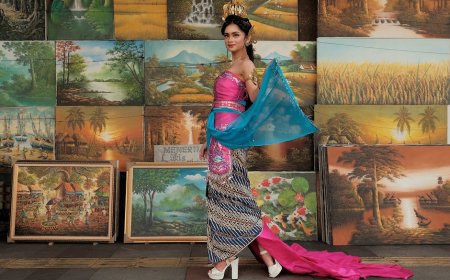
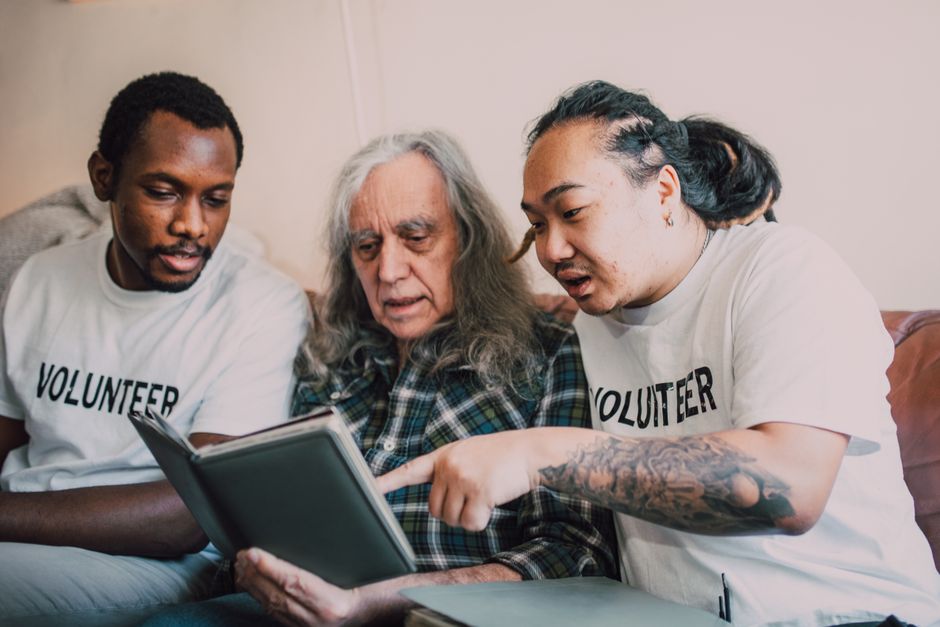
When local teachers and volunteers open their doors to refugee children, they do more than teach the alphabet or arithmetic: they introduce them to these core values through storytelling, traditional games, and art. For instance, Batik workshops not only teach refugees about Indonesian cultural heritage but also provide a therapeutic outlet for children processing trauma. Ramadan and Eid celebrations, shared with Muslim and non-Muslim refugees, become moments of connection and understanding, reinforcing a sense of belonging for children far from home.
The preservation of Indonesian cultural values in these grassroots classrooms is intentional. Volunteers share folklore from Java, Sumatra, and Bali, teaching lessons of resilience and hope.
Refugee children, in turn, are encouraged to share their own stories and traditions, creating a mosaic of multicultural understanding. This exchange is a testament to Indonesia’s long history as a maritime crossroads, where diversity is woven into the national identity.
Local Initiatives: Stories of Compassion and Impact
Across Indonesia, small initiatives are making a big difference.
In Jakarta, the organization Roshan Learning Center provides a safe, multicultural space where volunteer teachersmany of them Indonesianswork alongside refugees to design curricula that meet the needs of children from varied backgrounds. In the port city of Makassar, local mosques and churches turn their halls into makeshift classrooms, embodying the principle that “every child is our child.”
- Community Engagement: Neighborhoods in Bogor and Medan have started weekend reading groups and art classes, often funded by local donations.
- Intercultural Dialogue: Cultural festivals bring together refugees and Indonesians, showcasing music, dance, and food from around the world, and fostering friendships.
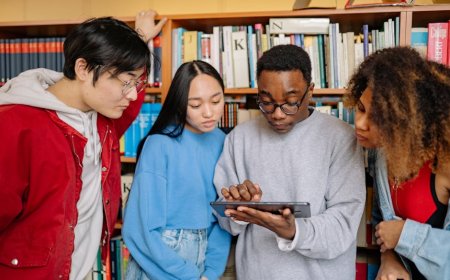
- Mentorship Programs: Indonesian students mentor refugee children, helping them learn Bahasa Indonesia and navigate daily life, while also learning about global issues themselves.
These local initiatives fill a critical gap. Indonesia’s law restricts refugees’ access to formal schools, but grassroots efforts ensure that children are not forgotten.
The impact is profound: children regain confidence and hope, families feel accepted, and local communities grow more open and resilient.
Why This Matters: The Deeper Meaning Behind Indonesian Compassion
For many Indonesians, helping refugee children is not just about charityit is a continuation of ancestral values that prioritize harmony and hospitality.
In the ancient Javanese philosophy of “Bhinneka Tunggal Ika” (Unity in Diversity), there is deep wisdom: strength comes from embracing difference. Through education, Indonesian communities are not merely teaching academic skills but nurturing the seeds of empathy, peace, and coexistence.
As the world witnesses increasing displacement, Indonesia’s grassroots classrooms stand as quiet testaments to the enduring power of cultural traditions.
They remind us that education, when grounded in compassion and local values, can restore hope and dignity to even the most vulnerableensuring that every child, no matter where they come from, can dream again.

What's Your Reaction?
 Like
0
Like
0
 Dislike
0
Dislike
0
 Love
0
Love
0
 Funny
0
Funny
0
 Angry
0
Angry
0
 Sad
0
Sad
0
 Wow
0
Wow
0