













Indonesia’s Endangered Languages and the Stories They Hold
The Lingual Tapestry of Indonesia: A Fragile Heritage
VOXBLICK.COM - Indonesia, an archipelago of over 17,000 islands, is a marvel of linguistic diversity. With more than 700 languages spoken across its expanse, Indonesia is often called a “language paradise.” Yet, beneath this rich tapestry lies an urgent crisis: many of these local languages are endangered, with some teetering on the brink of extinction. Each threatened tongue is not merely a means of communication, but a vessel for ancient wisdom, oral histories, and unique worldviews forged through centuries.
Unlike the national language Bahasa Indonesia, which unites the nation, local dialects such as Toraja, Asmat, and Kajang, are deeply intertwined with the identity, traditions, and rituals of their respective communities.
The gradual loss of these languages threatens to sever connections to ancestral knowledge, traditional arts, and even the spiritual beliefs that have defined villages for generations.
Why Local Languages Matter: More Than Words
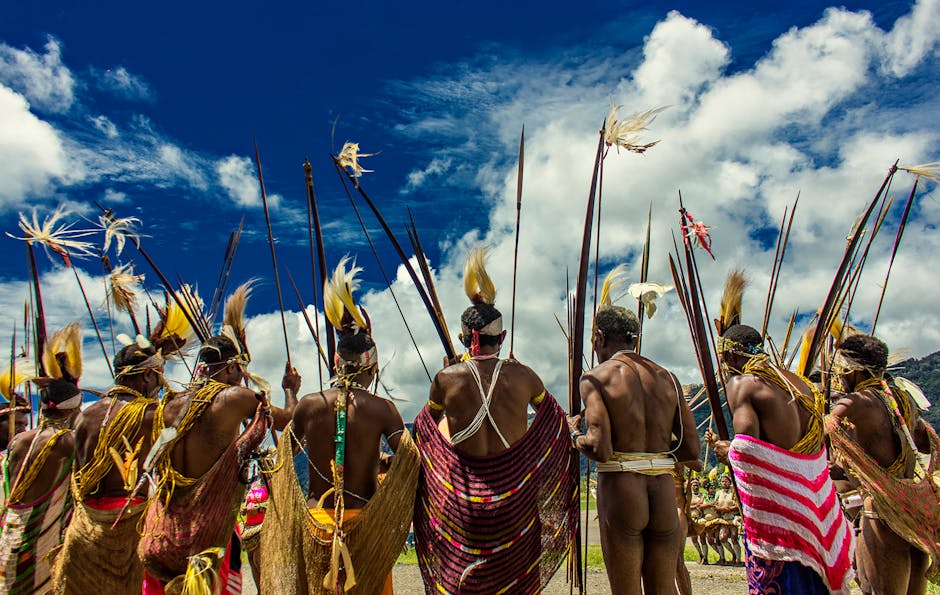
For many Indonesian communities, language is inseparable from ritual and daily life. In Papua, for instance, the Yali language encodes complex knowledge about medicinal plants, passed down through generations in the form of folktales and chants.
In the highlands of Sulawesi, the Torajan language is essential for conducting funeral ceremonies, where every phrase spoken, every chant recited, honors the spirits of ancestors and ensures the community’s harmony.
These endangered dialects are also the key to understanding local philosophies and social structures.
In the Baduy community of Java, their language reflects an entire worldview built around living in harmony with nature and maintaining sacred customs. Losing the Baduy language would mean erasing their unique environmental wisdom, encoded in proverbs, taboos, and ritual instructions.
Stories Encoded in Speech: Oral Traditions and Collective Memory
Indonesia’s endangered languages are more than repositories of vocabularythey are living archives of oral literature, mythologies, and collective memory.
Many communities do not have a written tradition instead, stories, laws, and genealogies are memorized and recited. The Asmat people of Papua, for example, tell the story of their ancestors’ journey from the sea to the forest during elaborate woodcarving rituals, using metaphors and phrases unique to their language.
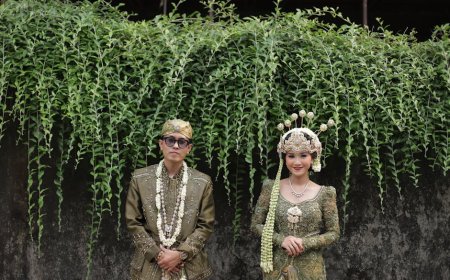
Similarly, in the islands of Maluku, traditional songs called pantun are sung in local dialects during weddings and harvest festivals.
These songs encapsulate local values, humor, and historical events that are unintelligible when translated into Indonesian or any other language. When the language disappears, so too do these irreplaceable stories and the sense of belonging they create.
The Modern Threats to Indonesia’s Linguistic Heritage
Globalization, migration, and the dominance of Bahasa Indonesia in schools and media have accelerated the decline of local languages.
Younger generations often see their mother tongues as outdated or irrelevant, favoring the national language or English for modern communication and opportunity. The result is a gradual fading of linguistic diversity, with UNESCO listing over 150 Indonesian languages as endangered.
- Urban migration: As young people leave villages for cities, they lose daily contact with elders who are the keepers of traditional speech and stories.
- Education policies: National curricula prioritize Bahasa Indonesia, leaving little space for the teaching of local languages in schools.
- Media influence: Movies, television, and the internet further reinforce the dominance of Indonesian and global languages.
Preserving Voices: Efforts and Why They Matter
Across Indonesia, there are growing grassroots movements and academic initiatives to document endangered languages, record oral histories, and teach children the dialects of their ancestors.
From digital archives to local storytelling festivals, these efforts seek to revitalize linguistic heritage and ensure that future generations can access the wisdom encoded in their mother tongues.
For foreigners and Indonesians alike, understanding the deep connection between language and culture is essential.
Each endangered language of Indonesia is a key to unlocking unique perspectives on life, nature, and communityperspectives that, once lost, can never be fully recovered. By supporting language preservation, we honor not only the words themselves, but the stories, rituals, and identities they nurture across the islands.

What's Your Reaction?
 Like
0
Like
0
 Dislike
0
Dislike
0
 Love
0
Love
0
 Funny
0
Funny
0
 Angry
0
Angry
0
 Sad
0
Sad
0
 Wow
0
Wow
0