
















Understanding Indonesia’s Official History Book and Its Cultural Impact

The Narrative Power of Indonesia’s Official History Book
VOXBLICK.COM - Indonesia, a vast archipelago of over 17,000 islands, is renowned for its rich cultural tapestry, shaped by centuries of trade, migration, and resistance. Yet, the story of how Indonesians view their own past is deeply influenced by the country’s official history bookan authoritative text used in schools nationwide. This book, known locally as Sejarah Nasional Indonesia, has become the cornerstone of Indonesian historical education. But in recent years, teachers and cultural experts have raised concerns about its content, questioning whether it truly reflects the diversity and complexity of Indonesia’s past.
For decades, the official history book presented a linear, state-sanctioned narrative: one that glorifies national unity and the struggle for independence while sometimes oversimplifying or omitting regional histories and controversial events.
The objective was clearto foster a strong sense of national identity among Indonesia’s 270 million people, who hail from hundreds of ethnic groups and speak more than 700 languages. However, as contemporary Indonesian society grows more reflective and critical, teachers are increasingly voicing concerns over the limitations and biases within this historical text.

Teachers’ Concerns: Whose History Is Being Told?
A growing movement among educators seeks to scrutinize whose stories are prioritized in the official narrative.
Teachers argue that the book often marginalizes the voices and experiences of minority groups, such as the Papuans, Dayaks, and Chinese Indonesians. Complex historical episodeslike the 1965–66 anti-communist purges, regional rebellions, or the impact of Dutch colonization beyond Javaare frequently glossed over or presented from a dominant perspective.
This selective storytelling has raised difficult questions: Does the official history help unite Indonesians, or does it risk erasing crucial aspects of their collective memory? For many teachers, history is not just about dates and heroes it is
about empathy, understanding, and the ability to see oneself as part of a larger, shared journey.
The Cultural Impact: Shaping Identity and Tradition
History is more than a record of the pastit is a living force that shapes Indonesia’s present and future. The official history book’s narratives influence how young Indonesians understand their country’s traditions, rituals, and cultural values.
For example, the celebration of Sumpah Pemuda (Youth Pledge Day) is depicted as a unifying moment that transcends ethnic and linguistic divides, encouraging the embrace of Bahasa Indonesia and national unity. Yet, regional histories and local heroes are often overshadowed, despite their profound contributions to Indonesia’s diverse heritage.
This approach impacts how traditional arts are valued, how rituals are performed, and even how inter-ethnic relations are navigated.
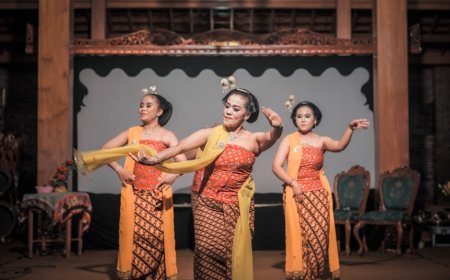
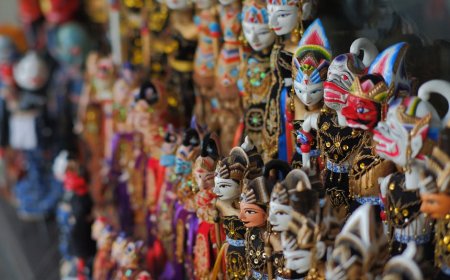
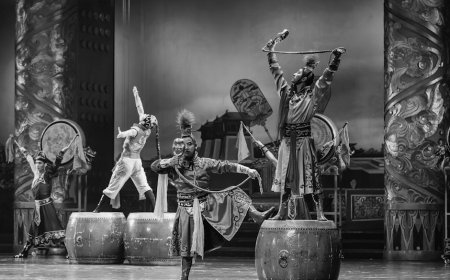
Consider the shadow puppetry of wayang kulit or the intricate dances of Balithese are not merely performances, but expressions of centuries-old beliefs shaped by interactions between local kingdoms, colonial powers, and the spread of major religions. Without a more inclusive historical narrative, the deeper meanings behind such traditions risk being misunderstood or lost.
Reclaiming Diverse Histories: Toward a More Inclusive Understanding
There is now a growing push to supplement the official history book with local perspectives and oral histories.
Teachers in places like Aceh, Papua, and Sulawesi are encouraging students to explore their own communities’ pastsdocumenting legends, interviewing elders, and uncovering stories that rarely make it into textbooks. This movement not only enriches students’ understanding of their roots, but also fosters respect for Indonesia’s incredible diversity.
- Reviving Indigenous Narratives: Communities are recording traditional stories and folklore, ensuring they are passed down and recognized as part of the national story.
- Critical Debates: Schools are holding discussions about contested historical events, encouraging students to ask questions and consider multiple viewpoints.
- Cultural Festivals: Regional festivals are being celebrated in schools, offering hands-on experiences of local rituals, dances, and culinary traditions.
By embracing these new approaches, Indonesia is slowly moving toward a deeper, more honest understanding of its pasta history that celebrates unity without sacrificing the richness of its diversity.
The Deeper Meaning Behind Indonesian Traditions
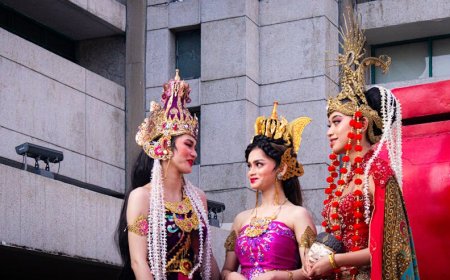
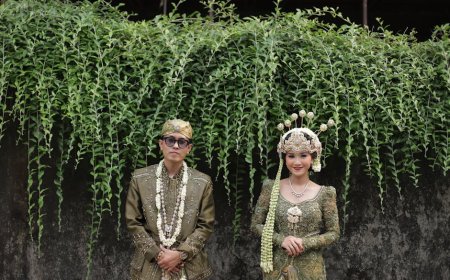
Indonesian traditions, whether in art, ritual, or cuisine, exist as living testaments to the country’s layered history.
The official history book has played a vital role in shaping how these traditions are perceived, but it is the ongoing dialoguebetween teachers, students, elders, and artiststhat keeps these cultural expressions vibrant and relevant. Understanding “why” Indonesians perform certain rituals, cook particular dishes, or celebrate unique festivals requires looking beyond the surface and asking whose stories have been told, and whose remain to be discovered.
For travelers and foreigners seeking to understand Indonesia, the lesson is clear: the archipelago’s culture is not static, but continually evolving as new generations reinterpret their shared history.
The official history book is just one thread in a much larger tapestryone woven from countless voices, memories, and dreams that together form the soul of Indonesia.

What's Your Reaction?
 Like
0
Like
0
 Dislike
0
Dislike
0
 Love
0
Love
0
 Funny
0
Funny
0
 Angry
0
Angry
0
 Sad
0
Sad
0
 Wow
0
Wow
0