

















How Local Volunteering Transforms Indonesian Communities
The Heartbeat of Gotong Royong: Indonesia’s Culture of Volunteering
VOXBLICK.COM - Indonesia, a vast archipelago of more than 17,000 islands, is renowned for its vibrant cultures, stunning landscapes, and rich history. Yet, beyond its natural beauty and world-famous traditions lies a powerful social force that quietly shapes everyday life: local volunteering. Rooted deeply in the Indonesian spirit, volunteeringknown locally as gotong royongis more than a civic duty it is a living tradition that binds communities together through shared support, compassion, and mutual aid.
The phrase gotong royong translates loosely as “working together” or “mutual cooperation.
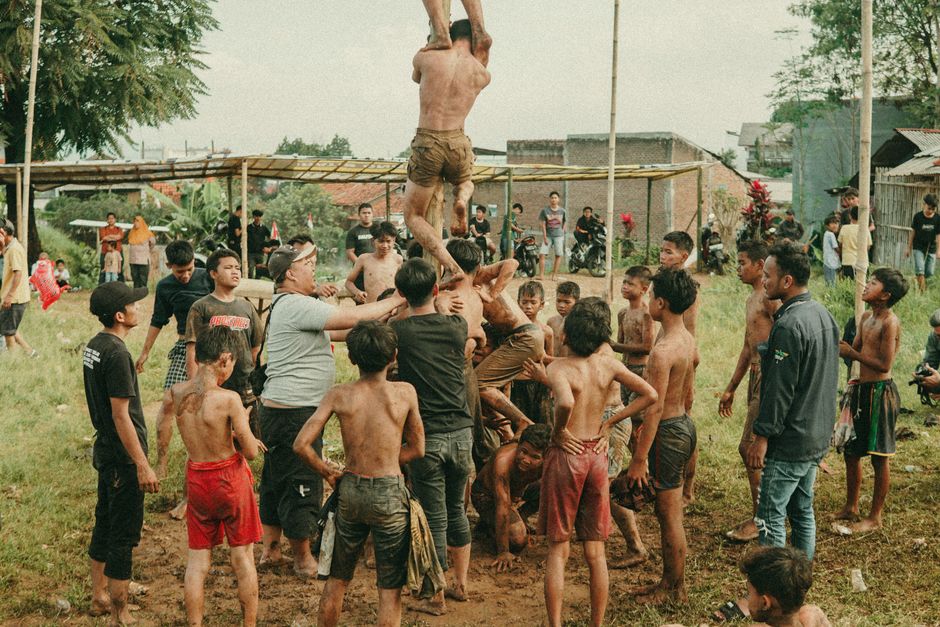
” Unlike formal volunteering organizations in many Western countries, Indonesian volunteering is often spontaneous, community-driven, and woven into the fabric of daily existence. Whether it’s helping to build a neighbor’s house, organizing village clean-ups, or supporting families during ceremonies and crises, the act of volunteering is seen as both a moral obligation and a source of communal pride.
Why Volunteering Matters: The Meaning Behind the Tradition
To understand why local volunteering is so central to Indonesian life, it’s important to explore the values at its core.
The concept of gotong royong emerged centuries ago, rooted in the communal agrarian lifestyle of Indonesia’s rural populations. In villages, rice fields, and fishing communities, survival depended on collective action. Over time, this mutual reliance evolved into a cherished value, passed down through generations as a way of strengthening social harmony and resilience.
Today, volunteering in Indonesia goes beyond mere labor. It is a ritual of connection and a celebration of togetherness.
During religious festivals such as Ramadan, locals distribute food to the less fortunate during natural disasters, neighbors rally together to rebuild homes and distribute relief. Even in bustling cities like Jakarta or Surabaya, urban residents organize volunteer-driven education programs, environmental clean-ups, and healthcare initiatives. This profound sense of unity helps bridge social and economic divides, reinforcing the belief that every individual has a role to play in the well-being of the community.
Stories of Hope: How Small Acts Spark Major Change
Across Indonesia, inspiring stories abound of ordinary people creating extraordinary impacts through local volunteering.
In Yogyakarta, for example, a group of youths known as “Komunitas 1000 Guru” regularly visits remote villages to teach children and distribute school supplies. Their efforts not only improve literacy rates but also foster hope in places often overlooked by mainstream development programs.
In Bali, local banjar (village councils) mobilize hundreds of volunteers to maintain temples, conduct environmental conservation, and support families facing hardships.
These acts of kindness aren’t just servicethey are essential rituals that sustain the island’s unique blend of spirituality, tradition, and community care.
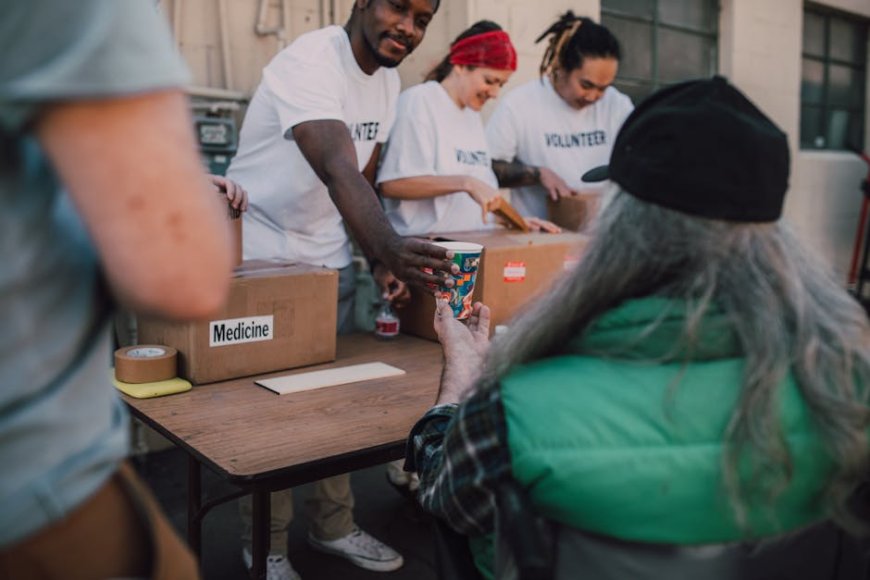
During the COVID-19 pandemic, Indonesia’s culture of volunteering became even more visible. Grassroots networks distributed food, medical supplies, and information to vulnerable groups, often filling gaps left by official resources.
Such community-driven responses highlight the adaptability and enduring relevance of gotong royong in modern times.
Lessons for the World: Embracing the Indonesian Spirit
For visitors and foreigners, witnessing Indonesia’s volunteering culture offers a profound lesson in the power of collective action.
The spirit of gotong royong teaches that even the smallest actssharing a meal, helping with a neighbor’s repairs, or participating in a village eventcan have ripple effects, transforming lives and building lasting bonds.
- Mutual Respect: Every act of volunteering is grounded in respect for others, regardless of social status or background.
- Shared Responsibility: Community members see themselves as caretakers of not just their own households, but of the wider society.
- Celebrating Differences: Volunteering brings together people from diverse ethnic and religious backgrounds, nurturing tolerance and understanding.
As Indonesia continues to evolve, the tradition of local volunteering remains a cornerstone of its cultural heritage.
It offers a powerful reminder that, in a world often divided by individualism and competition, the simple act of helping one another can still spark meaningful change. For Indonesians, volunteering is not just something they doit is who they are.

What's Your Reaction?
 Like
0
Like
0
 Dislike
0
Dislike
0
 Love
0
Love
0
 Funny
0
Funny
0
 Angry
0
Angry
0
 Sad
0
Sad
0
 Wow
0
Wow
0