

















How Maluku’s Sasi Tradition Protects Indonesia’s Fisheries
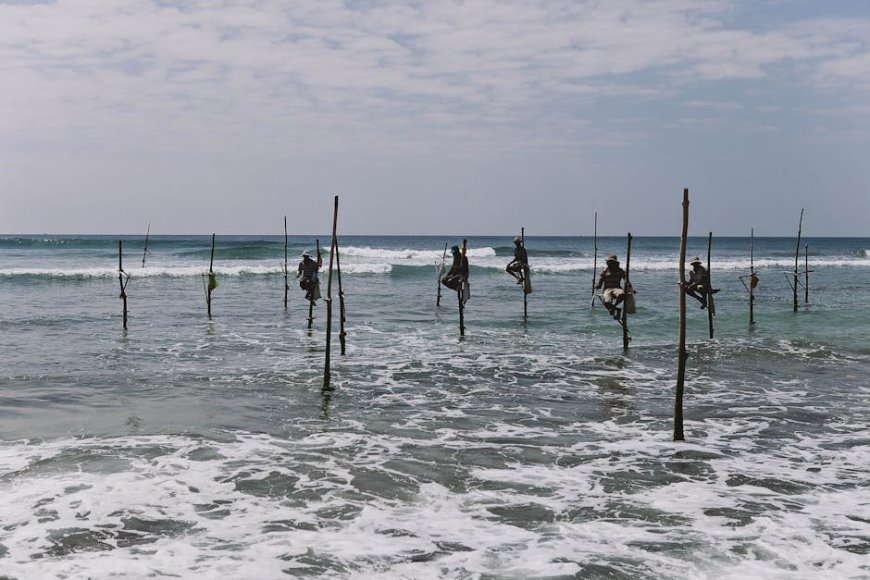
The Timeless Wisdom of Sasi in Maluku
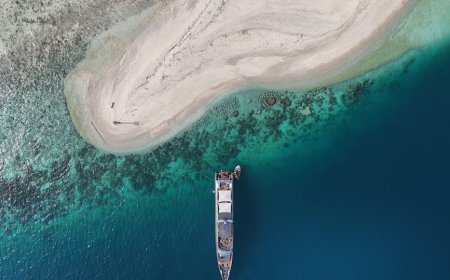
VOXBLICK.COM - Nestled in the eastern reaches of Indonesia, the Maluku Islands are not only renowned for their breathtaking beaches and rich biodiversity but also for a unique tradition that has protected their natural resources for centuries: Sasi. This indigenous practice, passed down through generations among the Maluku people, exemplifies the harmony between cultural heritage and environmental stewardship. Sasi is more than a set of rulesits a sophisticated system of resource management, woven into the fabric of daily life and spirituality, ensuring that fisheries and marine ecosystems remain bountiful for future generations.
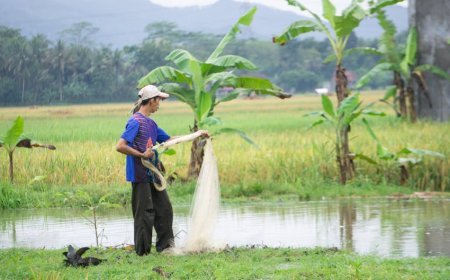
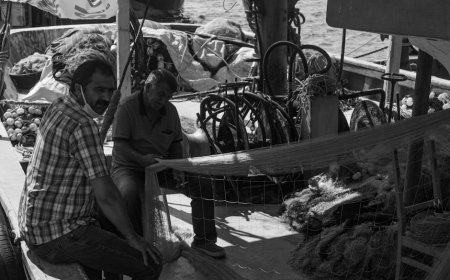
At its heart, Sasi is a customary law that temporarily prohibits the harvesting of certain natural resources, particularly marine life such as fish, sea cucumbers, lobsters, and shellfish.
The tradition originated long before modern conservation science and remains relevant as Indonesia grapples with overfishing and environmental degradation. By blending social rituals, spiritual beliefs, and practical wisdom, Sasi demonstrates how indigenous knowledge can offer solutions to some of todays most pressing ecological challenges.

How Sasi Works: Rituals, Rules, and Enforcement
Sasi is typically declared through a communal ceremony, led by respected village elders or traditional leaders called Kepala Soa.
During the ritual, symbolic markersoften palm leaves or woven bambooare placed at the site, signaling that the area or specific resource is off-limits. This closure can last for several months to a few years, depending on local agreement and the recovery needs of the ecosystem. The community collectively honors the prohibition, driven by shared values and respect for ancestral wisdom.
Violating Sasi is not only seen as breaking a rule but as disrupting the balance between humans and nature. Offenders may face social sanctions, fines, or exclusion from community activities.
The power of Sasi lies in its social cohesionenforcement is communal, and compliance is maintained through strong cultural bonds rather than external laws. When the closure period ends, another ceremony marks the reopening. Harvests are then allowed, often accompanied by communal celebrations, and the bounty is shared.
The Ecological Impact: Safeguarding Indonesia’s Fisheries
Indonesia boasts some of the richest marine biodiversity in the world, but its fisheries face threats from overexploitation and habitat destruction. In this context, the Sasi tradition is a beacon of sustainability.
Scientific studies have found that areas under Sasi regulation contain higher populations of fish and shellfish compared to unregulated zones. By periodically resting fishing grounds, Sasi allows marine species to reproduce and replenish, maintaining the delicate balance of the ecosystem.
Beyond its ecological benefits, Sasi also fosters a sense of stewardship within the community. Elders impart the importance of respecting nature to younger generations, ensuring that knowledge and values endure.
This deep-rooted understanding that humans are one part of a larger web of life is a hallmark of Maluku’s cultural identity and a lesson for the world.
The Modern Revival and Global Relevance of Sasi
Despite challenges from modernization and changing economic pressures, Sasi has experienced a resurgence in recent years.
Environmental organizations and local governments recognize its effectiveness and have begun to incorporate traditional knowledge into official conservation programs. Collaborative efforts have revitalized Sasi in many communities, blending customary law with scientific management and empowering local voices in resource governance.
The story of Sasi is not just about the Maluku Islandsit is a reminder that ancient traditions can hold the keys to sustainable futures.
As nations worldwide seek solutions to environmental crises, the Sasi tradition stands as a testament to the enduring power of indigenous wisdom. For travelers and those curious about Indonesian culture, understanding Sasi offers a glimpse into a society where respect for the earth is not just an idea, but a way of life.

What's Your Reaction?
 Like
0
Like
0
 Dislike
0
Dislike
0
 Love
0
Love
0
 Funny
0
Funny
0
 Angry
0
Angry
0
 Sad
0
Sad
0
 Wow
0
Wow
0