
















Unveiling Naga Banda Balinese Rituals and Royal Symbolism
Unveiling Naga Banda: The Majestic Dragon of Balinese Royal Rituals
VOXBLICK.COM - In the heart of Bali, where spirituality and artistry intertwine, the Naga Banda emerges as a powerful symbol in royal funeral ceremonies. This elaborate, dragon-shaped funeral stretcher is more than just a stunning visual spectacle it is a vessel of myth, a channel of ancestral reverence, and a testament to the island’s deep-rooted traditions. For those seeking to understand the profound layers of Indonesian culture, the Naga Banda offers a fascinating entry point into the world of Balinese beliefs, royal symbolism, and the spiritual journey of the soul.
The term Naga Banda derives from two Sanskrit words: "Naga," meaning dragon or serpent, and "Banda," meaning bond or tie.
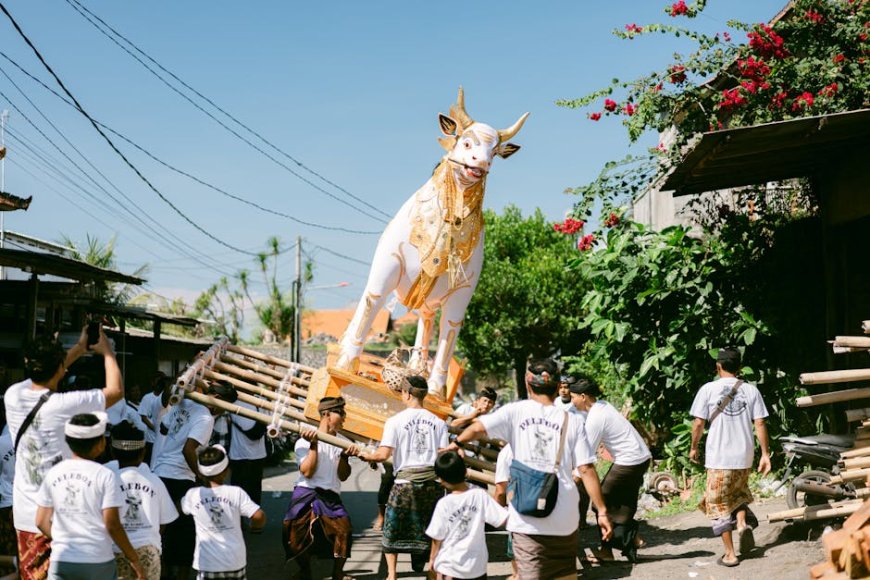
In Balinese Hinduism, the naga is a revered creature, a cosmic serpent believed to connect the earthly and spiritual realms. During royal cremation ceremonies, or Ngaben, the Naga Banda becomes central to the procession, carrying the remains of kings, princes, or high priests to their final resting place.
Symbolism and Mythological Roots
The Naga Banda is not merely a carrier for the deceased it is a mythological figure imbued with spiritual significance.
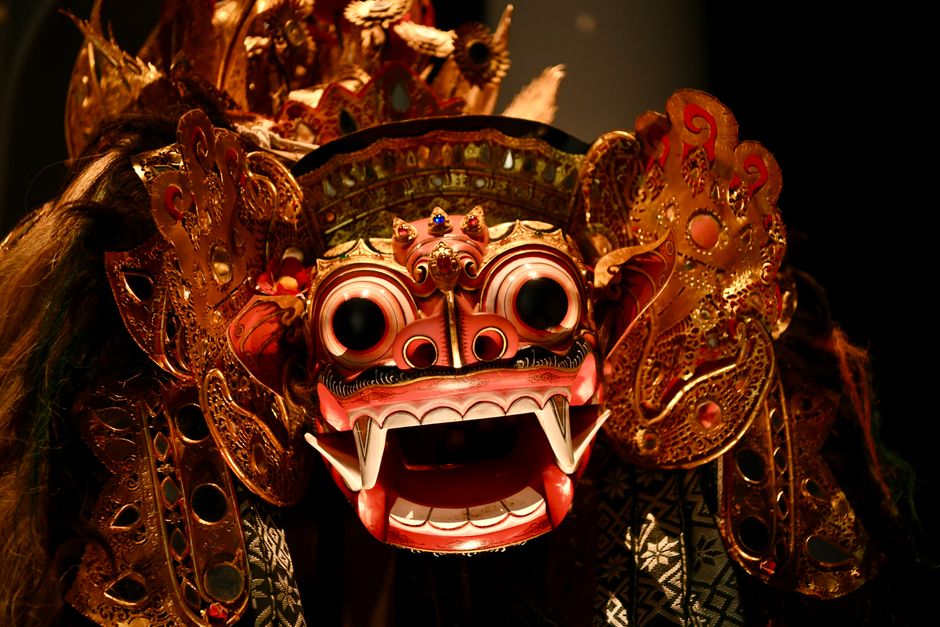
In Balinese cosmology, nagas are guardians of water and the underworld, protectors of treasures, and mediators between gods and mortals. The ornate dragon head, often adorned with gold leaf, mirrors, and vibrant colors, represents power, protection, and the cycle of life and death.
According to local belief, the journey to the afterlife is fraught with obstacles and dangerous spirits. The Naga Banda, with its fierce visage and undulating body, wards off malevolent forces and clears a path for the soul.
The ritual of carrying the Naga Banda through the village is a communal act of devotion, symbolizing the collective effort to guide the departed to liberation (moksha).
Ritual Procession: A Dance Between Worlds
A royal Ngaben is a spectacle of sound, color, and movement. The Naga Banda is constructed from bamboo, wood, and paper, crafted by skilled artisans over weeks.
On the day of the ceremony, villagers don traditional attire and gather to bear the weight of the dragon as it weaves through the streets. The procession is accompanied by gamelan orchestras, chanting priests, and clouds of incense, creating a transformative, almost otherworldly atmosphere.
- Purification: The Naga Banda is blessed with holy water and offerings, purifying the vessel and the path ahead.
- The Procession: Bearers lift the Naga Banda and perform a series of ritual turns and shakes. This movement confuses wandering spirits, ensuring the soul does not return or become lost.
- Cremation: At the cremation grounds, the Naga Banda is set ablaze alongside the body. Fire, considered sacred in Hindu philosophy, releases the soul from earthly attachments.
Royalty, Community, and the Meaning of Death
The use of the Naga Banda is reserved for Bali’s highest castesroyalty and high priests. Its grandeur reflects the status of the deceased, but the ritual’s true power lies in its communal dimension.
For Balinese society, death is not an end but a passage. The Naga Banda embodies the community’s collective hope for the soul’s successful journey to the afterlife, expressing both reverence for tradition and belief in spiritual continuity.
Witnessing a Naga Banda ceremony is to experience the essence of Balinese wisdom: the balance of life and death, the importance of art as sacred duty, and the enduring ties between the living and the departed.
In unraveling the symbolism of the Naga Banda, we glimpse the heartbeat of Indonesia’s spiritual and cultural heritagea legacy as enduring and intricate as the dragon itself.

What's Your Reaction?
 Like
0
Like
0
 Dislike
0
Dislike
0
 Love
0
Love
0
 Funny
0
Funny
0
 Angry
0
Angry
0
 Sad
0
Sad
0
 Wow
0
Wow
0