














Unveiling Indonesia’s Creative Spirit Through Tradition and Innovation
Unveiling Indonesia’s Creative Spirit Through Tradition and Innovation
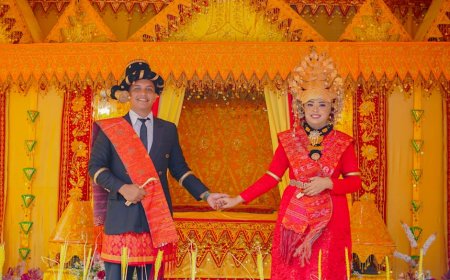
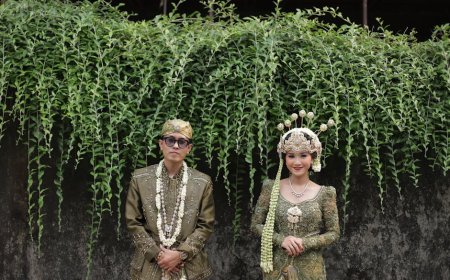
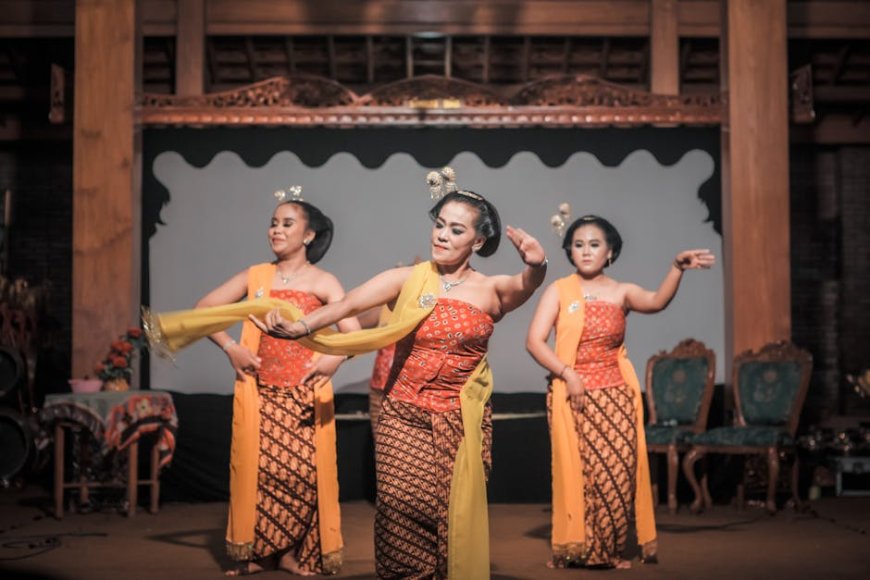
VOXBLICK.COM - Indonesia, the world’s largest archipelago, is a vibrant tapestry of over 17,000 islands and more than 300 ethnic groups. This diversity is not only reflected in its awe-inspiring landscapes and languages, but also in its dynamic creative industrythe beating heart of the nation’s cultural identity. The roots of Indonesia’s creativity run deep, nourished for centuries by rituals, traditional wisdom, and a profound respect for heritage. Today, these roots continue to inspire modern innovation, shaping everything from contemporary art to fashion, music, and culinary arts.
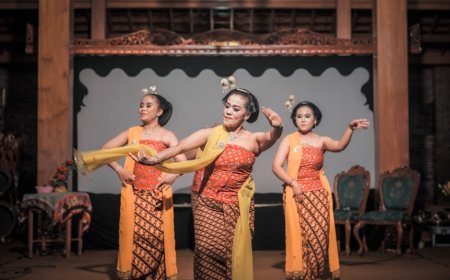
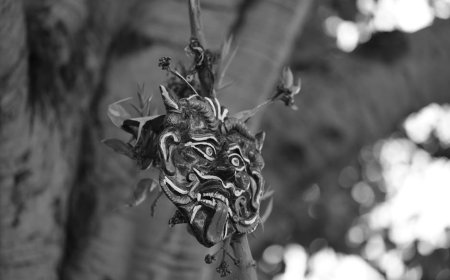
To understand the soul of Indonesia’s creative spirit, one must look beyond the surface of spectacular batik patterns or the hypnotic rhythms of gamelan.
Every motif, every note, and every flavor is steeped in stories passed down through generations. These stories are not just relics of the pastthey are living sources of inspiration for Indonesia’s artists and innovators, who skillfully blend tradition with modernity, offering the world a fresh perspective on cultural resilience and adaptation.

The Living Legacy of Indonesian Arts
Indonesia’s arts and crafts are more than aesthetic expressionsthey are sacred dialogues with ancestors and nature. Take batik, for example.
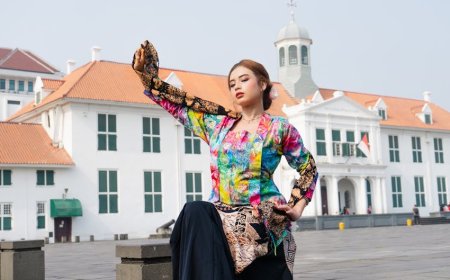
Recognized by UNESCO as an Intangible Cultural Heritage, batik is not merely a textile art it’s a language of symbols. Each region has its motifs and colors, representing local beliefs, historical events, or philosophical values. In Yogyakarta, the parang motif signifies power and perseverance, while in Solo, the sogan colors are reserved for royal ceremonies. These designs are painstakingly hand-drawn or stamped with wax, a process that honors patience and spiritual mindfulness.
Similarly, the intricate wayang kulit (shadow puppetry) performances are more than entertainment. Rooted in Hindu-Buddhist epics, wayang kulit is an ancient ritual that communicates moral lessons and social critiques.
The dalang, or puppeteer, is revered as a philosopher and storyteller, channeling ancestral wisdom to the audience. Today, contemporary artists reinterpret wayang’s mythical characters in digital animation, street art, and even graphic novels, bridging the gap between past and present.
Rituals Inspiring Modern Creativity
Rituals remain at the core of Indonesia’s creative process. In Bali, the daily offering of canang sarismall palm-leaf baskets filled with flowersis not just a religious duty but also a practice in design, fragrance, and color harmony.
This ritual fosters a sense of mindfulness and gratitude, values that contemporary Balinese designers infuse into sustainable fashion and eco-conscious architecture.
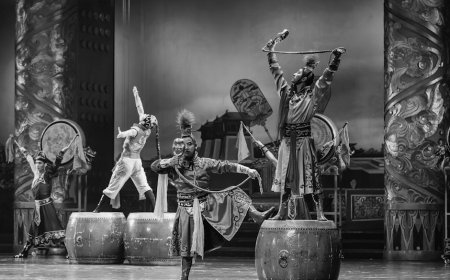
In West Sumatra, the Randai theater blends martial arts, dance, music, and storytelling.
Once performed during harvest festivals, Randai now informs Indonesia’s performing arts scene, inspiring everything from modern theater productions to cinematic choreography. These evolving traditions empower young creatives to innovate while staying grounded in their cultural roots.
Culinary Heritage: Stories on a Plate
Indonesia’s culinary landscape is another testament to its creative ingenuity. Dishes like Rendangslow-cooked beef in aromatic spicesare not just meals but cultural chronicles.
Originating from the Minangkabau people, Rendang was traditionally prepared for major ceremonies and symbolizes patience, resilience, and respect for nature’s bounty. Its complex flavors mirror the layered history of spice trade and cross-cultural influences.
Street food like satay, gado-gado, and es cendol also showcase Indonesia’s inventive approach to food.
Vendors innovate with local ingredients, fusion recipes, and creative presentations, making Indonesia’s culinary scene a dynamic playground of taste and tradition.
From Heritage to Global Innovation
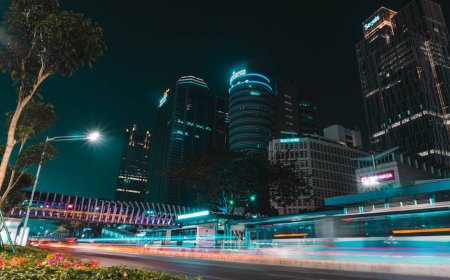
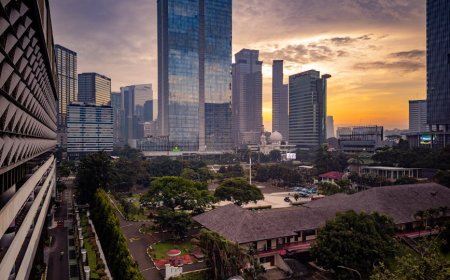
Today, Indonesia’s creative industry stands at the crossroads of tradition and modernity.
Young entrepreneurs and artists are reimagining heritage crafts for global marketsturning batik into contemporary fashion, transforming gamelan into electronic music, and exporting Indonesian cinema to international festivals. Government-backed initiatives, such as the Bekraf (Creative Economy Agency), aim to nurture this growth, positioning Indonesia as a hub of cultural innovation in Southeast Asia.
For foreigners seeking to understand Indonesia, it is vital to see beyond the exotic surface.
The true essence of Indonesia’s creative spirit lies in its ability to honor the past while fearlessly embracing the futurea spirit woven into every ritual, every artwork, and every flavor. By unveiling the stories and meanings behind Indonesia’s vibrant arts and cultural expressions, we gain a deeper appreciation for the extraordinary creativity that defines this nation.

What's Your Reaction?
 Like
0
Like
0
 Dislike
0
Dislike
0
 Love
0
Love
0
 Funny
0
Funny
0
 Angry
0
Angry
0
 Sad
0
Sad
0
 Wow
0
Wow
0