
















Exploring Indonesia’s Cultural Heritage Through Film and Storytelling
Indonesia on Screen: A Tapestry of Tradition and Story
VOXBLICK.COM - Indonesia, a sprawling archipelago of more than 17,000 islands, boasts a cultural mosaic as diverse as its landscapes. From the misty mountains of Java to the vibrant beaches of Bali, each region is steeped in unique traditions, rituals, and arts. For foreigners eager to understand Indonesia’s soul, films and storytelling offer a captivating gateway. Indonesian cinema, both contemporary and classic, reveals the intricate layers of the nation’s identityunfolding its history, rituals, and culinary heritage with every frame.
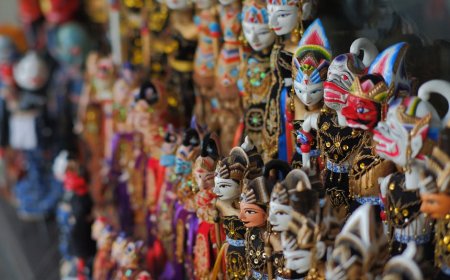
Storytelling is deeply woven into the fabric of Indonesian society. The tradition stretches back centuries, from shadow puppetry known as wayang kulit to oral epics like Ramayana and Mahabharata.
Today, filmmakers inherit this legacy, using the lens to preserve and reimagine cultural narratives for global audiences. By exploring Indonesian films, viewers not only witness stunning visuals but also engage with the “why” behind cultural practices, rituals, and the evolution of national identity.

The Meaning Behind Rituals: Films as Cultural Windows
Indonesian films often act as visual ethnographies, inviting viewers into sacred rituals and celebrations.
For instance, the critically acclaimed film Laskar Pelangi (“The Rainbow Troops”) transports audiences to the island of Belitung, showcasing the importance of community, education, and local traditions. Through the eyes of children, viewers witness how rituals such as selamatana communal feast for blessingsbind families and neighbors together, echoing the national philosophy of “gotong royong” (mutual cooperation).
Other films, like Sekala Niskala (“The Seen and Unseen”), poetically depict Balinese rituals rooted in Hinduism. The film uses surreal dream sequences to reveal the duality of existencea core tenet of Balinese spirituality.
Such works do more than entertain they educate international audiences about the deep symbolism behind Indonesia’s rituals, from ancestor worship to harvest festivals.
Art, Dance, and Music: Preserving Intangible Heritage
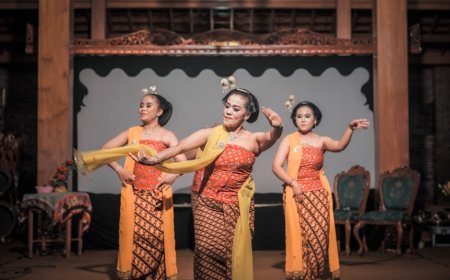
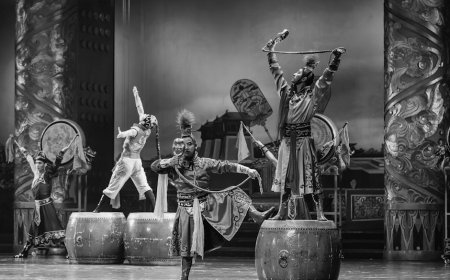
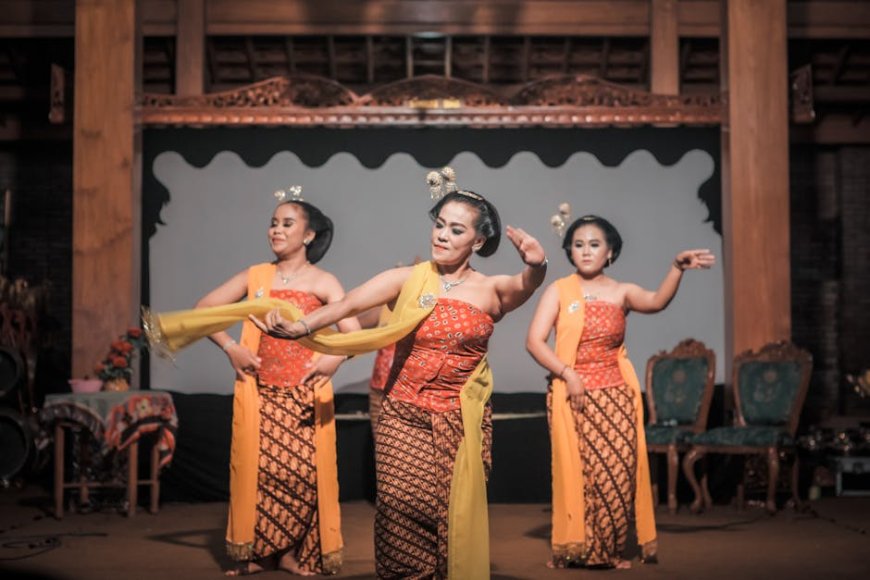
Indonesia’s performing arts are a feast for the sensesvivid costumes, hypnotic gamelan music, and expressive dances. Documentaries and narrative films alike spotlight these traditions, preserving them for future generations.
The film Kucumbu Tubuh Indahku (“Memories of My Body”) explores the life of a lengger dancer in Java, delving into the ritualistic nature of dance and its role in exploring gender and identity. Through dance sequences, viewers learn how movement and music communicate history, spirituality, and social values without words.
- Wayang Kulit: Shadow puppet theater used to pass down myths and legends, often serving as a moral compass for communities.
- Batik and Ikat: Films often showcase these textile arts, explaining their motifs and the stories they tell about ancestry and place.
- Traditional Music: Gamelan orchestras and bamboo flutes, featured in many soundtracks, evoke the atmosphere of Indonesian villages and ceremonies.
Culinary Heritage: Taste of the Archipelago
Food is central to Indonesian identity, and cinema is increasingly exploring culinary heritage as a narrative device. Movies like Aruna & Lidahnya (“Aruna & Her Palate”) use food journeys to highlight Indonesia’s regional diversity.
Through scenes of preparing rendang (West Sumatran beef stew) or savoring pempek (Palembang fish cakes), audiences learn about the meaning behind each dishoften rooted in local history, migration, and trade. Food in Indonesian films is more than sustenance it’s a symbol of memory, resilience, and communal ties.
For example, the ritual of sharing tumpenga conical rice dishmarks auspicious occasions, symbolizing gratitude and unity.
By watching these moments on screen, foreigners gain insight into the values that shape Indonesian society: respect for ancestors, the importance of harmony, and the celebration of diversity.
The Evolving Identity: Modern Indonesian Storytelling
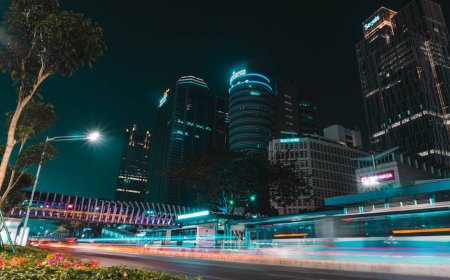
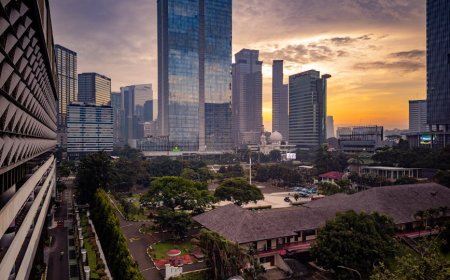
Contemporary Indonesian filmmakers balance tradition and innovation, using their craft to address modern social issues while honoring the past.
Themes of spirituality, migration, and multiculturalism are woven into stories that resonate with both local and international audiences. Films like The Act of Killing and Marlina the Murderer in Four Acts challenge viewers to reflect on Indonesia’s complex history and evolving identity, blending folklore with modern realities.
Through film and storytelling, Indonesia opens its doors to the world, inviting all to witness the beauty, complexity, and resilience of its cultural heritage.
Each scene, song, and shared meal on screen becomes a bridgeconnecting hearts and minds across oceans and generations.

What's Your Reaction?
 Like
0
Like
0
 Dislike
0
Dislike
0
 Love
0
Love
0
 Funny
0
Funny
0
 Angry
0
Angry
0
 Sad
0
Sad
0
 Wow
0
Wow
0