




















Indonesia’s Evolving Business Landscape Drives Investor Opportunities

Indonesia’s Evolving Business Landscape Drives Investor Opportunities
VOXBLICK.COM - Indonesia, Southeast Asia’s largest economy, is fast emerging as a prime destination for business expansion and investment. Its youthful population of over 270 million, robust domestic consumption, and strategic geographic location have positioned the archipelago at the forefront of regional economic growth. Over the past decade, Indonesia has undergone significant transformationmarked by regulatory reforms, a thriving digital ecosystem, and a growing manufacturing sectorwhich together are reshaping its investment climate and creating new opportunities for corporations and investors.
According to the World Bank, Indonesia’s GDP growth rate is projected to hover around 5% in 2024, outpacing most of its ASEAN neighbors.
The government’s steadfast commitment to infrastructure development, business deregulation, and digitalization has contributed to improved ease of doing business and increased foreign direct investment (FDI). In 2023, FDI inflows reached a record high of over $47 billion, driven by sectors such as electric vehicles (EVs), tech startups, and green energy.

Regulatory Developments Fostering a Pro-Business Environment
Regulatory reform has been a cornerstone of Indonesia’s economic modernization. The landmark Omnibus Law, enacted in 2020, consolidated over 70 existing laws and streamlined business licensing, labor regulations, and investment processes.
These reforms have significantly reduced bureaucratic hurdles and improved the investment climate, particularly for foreign companies seeking a foothold in Indonesia’s diverse market.
Additionally, the government has enacted incentives for high-value sectors, including tax holidays for manufacturing, renewable energy, and the digital economy.
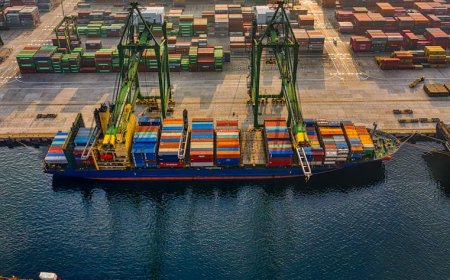
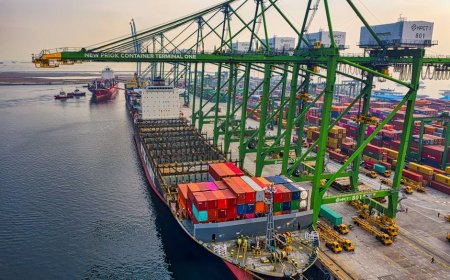
The establishment of Special Economic Zones (SEZs) across the archipelago has further facilitated export-oriented industries and boosted investor confidence. These measures reflect Indonesia’s resolve to position itself as a manufacturing and innovation hub in Southeast Asia.
Digital Economy: The New Frontier
Indonesia’s digital economy is one of the fastest-growing in the region, projected to reach $130 billion by 2025, according to a joint Google, Temasek, and Bain report.
The country is home to a vibrant startup ecosystem, with Jakarta recognized as a leading tech hub in Asia. Over a dozen tech unicornsincluding Gojek, Tokopedia (now GoTo), and Travelokahave driven rapid innovation in e-commerce, fintech, and logistics, attracting significant venture capital and reshaping consumer behavior.
The government’s “Making Indonesia 4.0” roadmap further accelerates digital transformation, emphasizing smart manufacturing, automation, and artificial intelligence.
Investments in digital infrastructure, such as expanding 5G networks and promoting digital literacy, are expected to unlock new business models and bridge the urban-rural digital divide.
Manufacturing and Sustainable Growth
Indonesia is leveraging its abundant natural resources and skilled labor force to expand its manufacturing sector.
The country is rapidly becoming a major player in the global supply chain for electric vehicles, thanks to the world’s largest nickel reservesan essential component for EV batteries. Global manufacturers like Hyundai and LG have established joint ventures in Indonesia, while the government actively promotes downstream processing to increase value-added exports.
Efforts to attract sustainable investment are also evident in Indonesia’s green energy initiatives. The country aims to derive 23% of its energy from renewables by 2025, offering incentives for solar, geothermal, and hydropower projects.
This sustainability push not only addresses environmental challenges but also presents lucrative opportunities for investors in clean technology and green finance.
Opportunities and Challenges for Investors
While Indonesia’s business landscape offers immense opportunities, investors must navigate unique challenges. Infrastructure gaps, regulatory ambiguities at the regional level, and complex land acquisition processes can pose difficulties.
However, the government’s ongoing digitalization of public services and its anti-corruption initiatives are steadily improving transparency and efficiency.
- Key opportunities: Digital startups, manufacturing (notably EV supply chains), infrastructure, renewable energy, and consumer goods.
- Potential challenges: Regional policy inconsistencies, talent shortages in high-tech sectors, and evolving tax regulations.
For international investors and corporations, Indonesia’s evolving business landscape presents a compelling mix of high-growth sectors, regulatory support, and strategic regional influence.
As the country continues to modernize and integrate into the global economy, those who understand its unique dynamics and commit to long-term partnerships will be best positioned to capitalize on Southeast Asia’s next economic powerhouse.

What's Your Reaction?
 Like
0
Like
0
 Dislike
0
Dislike
0
 Love
0
Love
0
 Funny
0
Funny
0
 Angry
0
Angry
0
 Sad
0
Sad
0
 Wow
0
Wow
0