






















Indonesia Sees Flat FDI in 2025 With Growth Expected in 2026

Indonesia Sees Flat FDI in 2025 With Growth Expected in 2026
VOXBLICK.COM - Indonesia, Southeast Asia’s largest economy, is forecasted to experience a pause in foreign direct investment (FDI) growth in 2025, according to recent government statements and market analyses. After years of steady gains, investors are expected to take a cautious approach amid global economic volatility and domestic political transitions. However, experts remain confident that Indonesia’s FDI growth will rebound in 2026, fueled by structural reforms and renewed investor confidence.
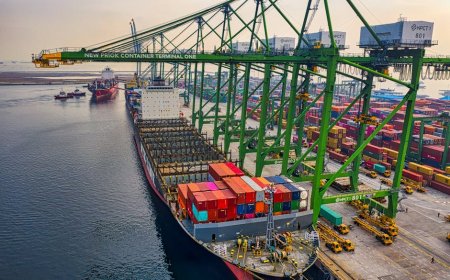
Foreign direct investment has been a key driver of Indonesia’s economic expansion, supporting sectors such as manufacturing, mining, and digital startups.
In 2024, Indonesia saw a modest uptick in FDI, buoyed by investments in electric vehicle (EV) supply chains, renewable energy, and the ongoing relocation of its capital to Nusantara. Yet, as the country approaches a pivotal year of political change and adapts to uncertain global conditions, the investment climate is set to experience a period of adjustment.

FDI Trends: A Period of Caution in 2025
According to data from Indonesia’s Investment Coordinating Board (BKPM), FDI inflows reached approximately USD 47 billion in 2023, a 7% increase year-on-year.
However, projections for 2025 suggest a flattening trend, with FDI growth likely to remain static or grow only marginally. This plateau is attributed to several factors:
- Global Economic Uncertainty: Ongoing geopolitical tensions, inflationary pressures, and interest rate hikes in major economies are prompting investors to adopt a wait-and-see approach.
- Political Transition: Indonesia is undergoing a major political transition with the inauguration of a new president in late 2024. Historically, foreign investors tend to pause or slow commitments during periods of political change.
- Regulatory Adjustments: The implementation of the Omnibus Law on Job Creation has progressed, but some investors are awaiting further clarity on sector-specific regulations and incentives.
Despite these challenges, Indonesia remains an attractive destination for FDI within ASEAN, underpinned by its large domestic market, abundant natural resources, and evolving digital economy.
Growth Drivers Expected to Boost FDI in 2026
Analysts forecast that FDI will regain momentum in 2026 as political stability is restored and global macroeconomic conditions stabilize. Several key sectors are expected to lead the next wave of investment:
- Green Energy and Electric Vehicles: Indonesia’s ambition to become a global EV battery hub is drawing attention from multinational corporations. With vast nickel reserves and government incentives, the sector is poised for significant FDI inflows.
- Digital Economy: Indonesia’s burgeoning startup sceneparticularly in fintech, e-commerce, and healthtechcontinues to attract venture capital and strategic investments from regional and global players.
- Infrastructure and Urban Development: The continued development of Nusantara, Indonesia’s new capital city, offers vast opportunities in construction, smart city technologies, and public-private partnerships.
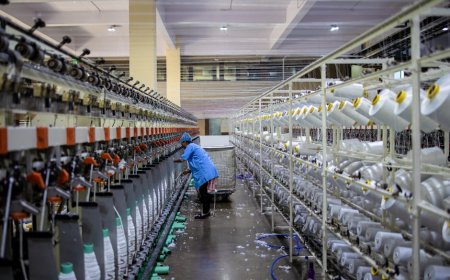
- Manufacturing Diversification: As global companies seek to diversify supply chains away from China, Indonesia’s competitive labor costs and improving logistics are making it a preferred destination for manufacturing FDI.
Implications for Investors and the Business Climate
For international investors and businesses, the temporary plateau in FDI presents both challenges and opportunities.
The Indonesian government is actively working to maintain investor confidence through policy reforms, streamlined licensing processes, and enhanced investment incentives. Notably, the country’s sovereign wealth fund, the Indonesia Investment Authority (INA), is forging partnerships to catalyze long-term, strategic FDI in infrastructure and innovation.
Investors are advised to monitor regulatory developments closely, engage with local partners, and leverage Indonesia’s strong demographics and consumer base.
While the short-term outlook in 2025 is marked by caution, the medium-term prospects remain robust, positioning Indonesia as a resilient and dynamic market within the Asia-Pacific region.
Looking Ahead: Navigating Indonesia’s Investment Landscape
The outlook for Indonesia’s FDI underscores the complexities of investing in emerging markets amid global uncertainty.
As the country enters a year of transition in 2025, businesses and investors will need to balance risk assessment with a long-term view. By 2026, Indonesia’s commitment to economic transformation, sustainability, and digital innovation is expected to unlock new investment opportunities and reinforce its position as a critical engine of regional growth.

What's Your Reaction?
 Like
0
Like
0
 Dislike
0
Dislike
0
 Love
0
Love
0
 Funny
0
Funny
0
 Angry
0
Angry
0
 Sad
0
Sad
0
 Wow
0
Wow
0