










Preserving Indonesia’s Heritage After Sumatra Floods: Recovery Efforts Unveiled
Indonesia’s Cultural Identity: More Than Meets the Eye
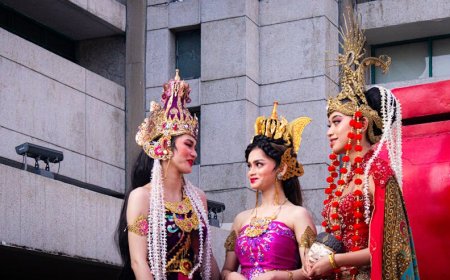
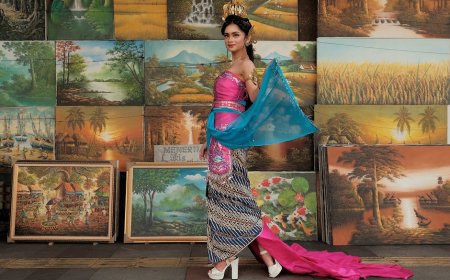
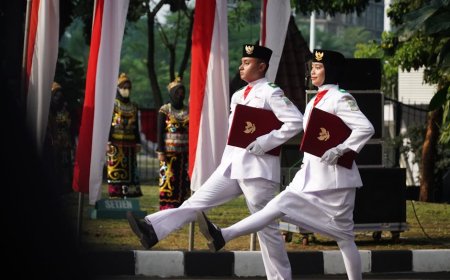
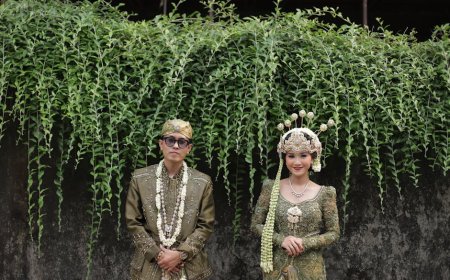
VOXBLICK.COM - Indonesia, an archipelago of over 17,000 islands, is celebrated worldwide for its breathtaking natural beauty and rich cultural tapestry. Its heritage is not just a collection of ancient temples and traditional dancesit is a living, breathing legacy passed down through generations. Every region, from Java to Papua, carries unique languages, rituals, and artistic expressions. These traditions are the threads that weave together the nation’s collective identity, making the preservation of Indonesia’s heritage a priority not only for Indonesians, but for the world.
Yet, Indonesia’s heritage is vulnerable. The Sumatra floods, which recently swept through vast areas, have brought this vulnerability into sharp focus.
Sumatra, home to iconic sites such as the Rumah Gadang of the Minangkabau people and the intricate textile traditions of Batik and Songket, witnessed widespread damage not only to homes and infrastructure, but to its irreplaceable cultural treasures. When disaster strikes, it threatens more than just the physical landscapeit imperils the stories, arts, and philosophies that define Indonesia’s soul.

The Meaning Behind Indonesia’s Heritage
Indonesian culture is deeply rooted in community and respect for ancestry.
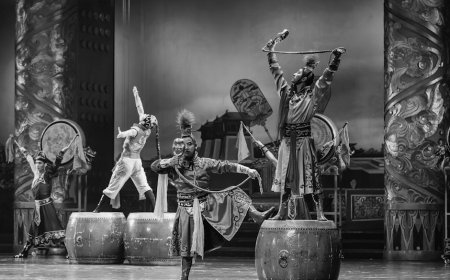
Rituals such as gotong royongthe practice of communal cooperationand ceremonies marking life’s milestones are not merely symbolic they are the glue that binds communities together. Traditional arts, like the shadow puppetry of Wayang Kulit or the elaborate weaving techniques of the Batak tribe, carry stories of heroism, harmony, and spirituality, passed down through oral and artistic traditions.
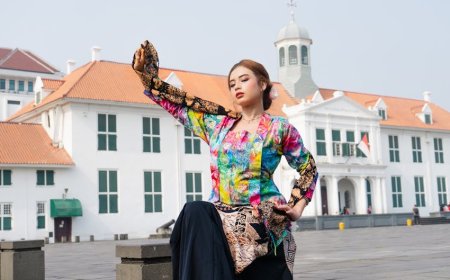
Historical sites, including the grand mosques and colonial forts of Sumatra, serve as reminders of Indonesia’s layered pastits indigenous kingdoms, maritime empires, and encounters with foreign traders.
Food, too, is a vessel of heritage dishes such as Rendang and Sate Padang are more than culinary delightsthey are part of social rituals that celebrate family, gratitude, and the bounty of nature.
The Impact of the Sumatra Floods on Heritage
The recent floods in Sumatra have not only displaced thousands but also threatened to erase centuries of heritage in a matter of days.
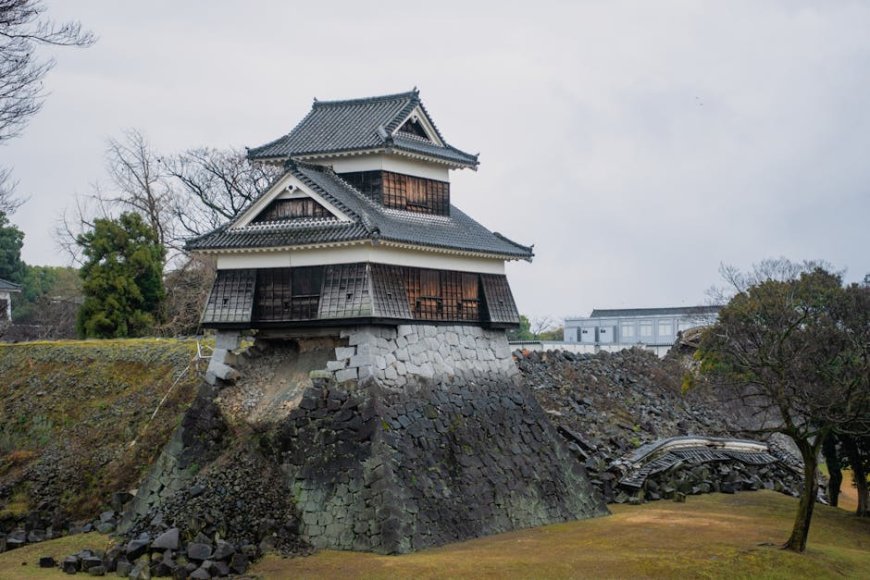
Waterlogged manuscripts, damaged traditional homes, and submerged artifacts pose a grave risk to the continuity of local traditions. For example, many Minangkabau Rumah Gadangwith their iconic curved roofs and carved woodworkhave been severely affected, and countless handwoven Songket textiles, used in important ceremonies, have been lost or ruined.
Cultural centers and museums, which safeguard relics and host educational programs, have also faced unprecedented challenges.
The loss of these resources would mean the loss of knowledge, disrupting the transmission of customs and skills to future generations. It is in these moments that the true value of heritage preservation is revealednot just as a matter of pride, but of survival and resilience.
Recovery Efforts: Safeguarding Traditions and Sites
Indonesia’s response to the Sumatra floods has demonstrated a deep commitment to cultural preservation.
Government agencies, such as the Ministry of Education, Culture, Research, and Technology, have rapidly mobilized to assess and document the damage. Teams of conservators and local volunteers are working hand-in-hand to salvage manuscripts, restore water-damaged artifacts, and stabilize historic buildings. Emergency funds have been allocated to support artisans and cultural bearers whose livelihoods have been disrupted.
- Community Involvement: Local communities play a vital role in recovery, reviving ancient practices of mutual aid and collective action. Elders and artisans are leading workshops to teach traditional crafts, ensuring skills are not lost.
- Digital Documentation: Initiatives are underway to digitize manuscripts and oral histories, creating backups that can withstand future disasters.
- International Collaboration: UNESCO and cultural NGOs have partnered with Indonesian authorities to provide expertise in heritage conservation and disaster response.
- Education and Awareness: Schools and media campaigns are raising awareness among youth about the importance of protecting cultural heritage, instilling a sense of pride and responsibility.
These efforts are about more than repairthey are about resilience. By prioritizing the preservation of heritage, Indonesia reaffirms its belief that culture is the backbone of community and the foundation upon which hope for the future is built.
Looking Forward: Heritage as a Living Legacy
The story of Indonesia’s recovery after the Sumatra floods is ultimately one of hope and unity.
It is a testament to the enduring spirit of the Indonesian people, who understand that their traditions, languages, and arts are not relics of the past, but living legacies to be cherished, protected, and shared. As the waters recede and restoration continues, Indonesia invites the world to witness the beauty of its cultureand to join in the journey of preserving its heritage for generations yet to come.

What's Your Reaction?
 Like
0
Like
0
 Dislike
0
Dislike
0
 Love
0
Love
0
 Funny
0
Funny
0
 Angry
0
Angry
0
 Sad
0
Sad
0
 Wow
0
Wow
0