


















Indonesia’s Innovations in Sustainable Healthcare and Biodiversity Conservation

Indonesia: A Living Laboratory of Biodiversity and Innovation
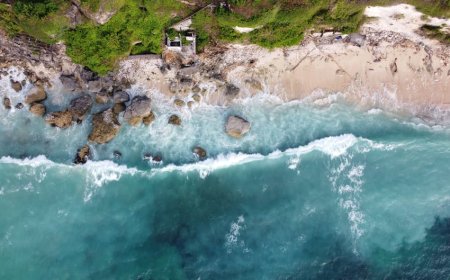
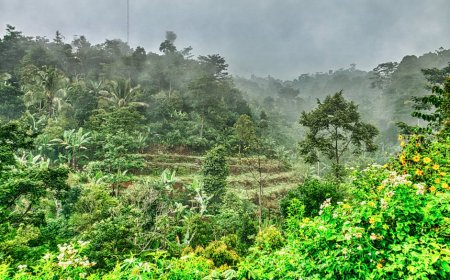
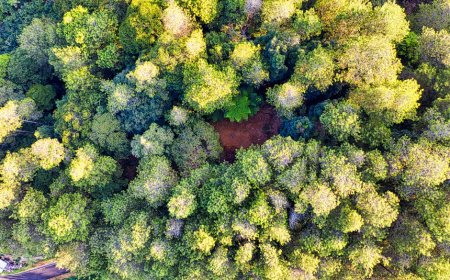
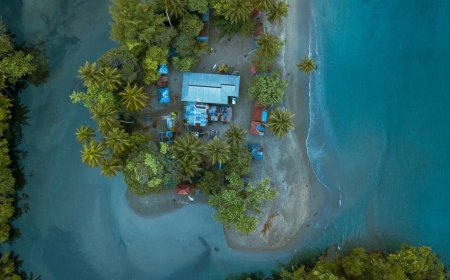
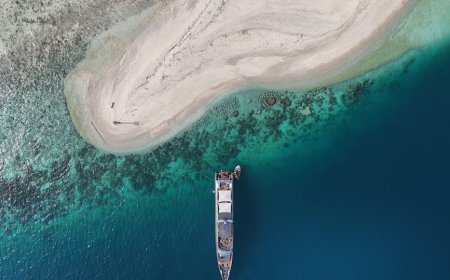
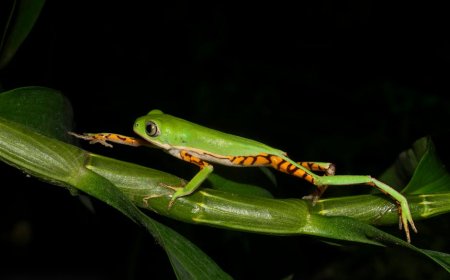
VOXBLICK.COM - Indonesia, an archipelago of over 17,000 islands straddling the equator, is recognized as one of the world’s most biodiverse nations. Towering rainforests, vibrant coral reefs, and lush wetlands are home to more than 17% of the planet’s wildlife species, including iconic creatures like the orangutan, Sumatran tiger, and Komodo dragon. However, Indonesia’s natural treasures face mounting pressures from deforestation, habitat loss, and climate change. In response, the nation is pioneering integrated approaches that blend sustainable healthcare innovation with robust conservation strategies, positioning itself as a global leader in environmental stewardship and scientific advancement.
Indonesia’s unique geography and cultural diversity have fostered a deep-rooted connection to nature and traditional medicine.
Now, this heritage is being harnessed alongside cutting-edge technology to create sustainable healthcare systems that rely onand help preservethe country’s extraordinary flora and fauna.

Harnessing Biodiversity for Sustainable Healthcare
The Indonesian archipelago is a veritable pharmacy of natural remedies. Over 30,000 species of plants thrive here, with more than 1,000 recognized for their medicinal properties.
Jamu, a traditional herbal medicine system, has been practiced for centuries and is now the subject of scientific research aiming to validate and enhance its efficacy. Indonesian researchers are collaborating with global institutions to catalogue, analyze, and extract bioactive compounds from native plants, seeking new treatments for infectious diseases, diabetes, and even cancer.
Recent breakthroughs highlight the potential of Indonesia’s biodiversity in modern healthcare. For example, the red ginger (Zingiber officinale var. rubrum), native to the islands, shows promising antiviral and anti-inflammatory properties.
The conservation of such species is therefore not only an ecological priority but also a cornerstone for future medical innovation.
Integrating Conservation with Community Healthcare
Indonesia’s conservation efforts are increasingly intertwined with public health initiatives. In regions such as Kalimantan and Papua, eco-health programs are being launched that protect both people and ecosystems.
By promoting sustainable agriculture, clean water access, and forest management, these programs aim to reduce disease transmission linked to environmental degradation, such as malaria and zoonotic outbreaks.
- Forest Protection and Zoonotic Disease Prevention: Preserving primary forests helps limit the spread of viruses from wildlife to humans, a critical lesson underscored by the COVID-19 pandemic.
- Eco-Friendly Health Clinics: In rural Sumatra and Java, solar-powered clinics and telemedicine services are reducing emissions and expanding medical access while minimizing environmental impact.
- Medicinal Plant Gardens: Community-driven gardens cultivate rare medicinal species, ensuring both local health resilience and biodiversity conservation.
Renewable Energy and Green Healthcare Infrastructure
Sustainability in healthcare extends beyond medicine in Indonesia. The country is rapidly adopting renewable energy solutions to power rural clinics and hospitals, particularly in remote areas where the electrical grid is unreliable.
Solar panels, micro-hydroelectric generators, and biomass energy are transforming health facilities into models of green infrastructure, reducing dependence on fossil fuels and lowering operational costs.
These innovations not only improve health outcomes but also serve as blueprints for other biodiversity-rich, developing nations seeking to balance modernization with environmental protection.
Global Leadership in Conservation Science
Indonesia’s commitment to biodiversity conservation is evident through its extensive network of national parks and marine reserves, including the world-renowned Raja Ampat and Lorentz National Park.
The government collaborates with international organizations to protect endangered species, restore mangrove forests, and rehabilitate peatlandscritical carbon sinks that combat climate change. Scientific expeditions continue to discover new species, adding to the awe-inspiring tapestry of life that Indonesia supports.
Through the integration of scientific research, sustainable healthcare, and grassroots conservation, Indonesia exemplifies how a nation’s natural wealth can be leveraged for both human wellbeing and planetary health.
As a living laboratory at the crossroads of biodiversity and innovation, Indonesia inspires the world to envision a future where healthcare and conservation are inseparable forces for global good.

What's Your Reaction?
 Like
0
Like
0
 Dislike
0
Dislike
0
 Love
0
Love
0
 Funny
0
Funny
0
 Angry
0
Angry
0
 Sad
0
Sad
0
 Wow
0
Wow
0